Apple bets on a 120 Hz screen and A19 chip to differentiate the iPhone 17 from the entry-level 16e model
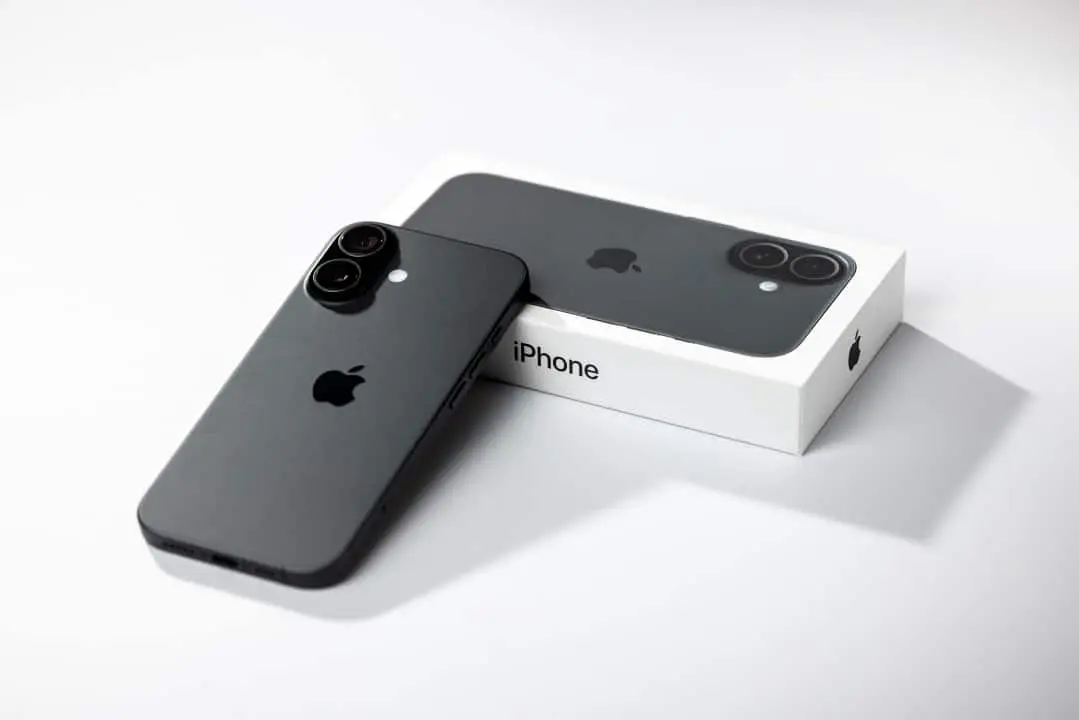
Apple plans to further segment its smartphone line with the launch of the future iPhone 17 and iPhone 16e. The new generations must present a considerable price difference, justified mainly by significant updates in screen technology, processing capacity and camera resources, targeting each model towards a different consumer profile.
The iPhone 17 is designed to be the brand’s new standard, incorporating technologies previously reserved for Pro models, such as the 120 Hz ProMotion screen. Esta feature promises a noticeably more fluid user experience, from browsing social networks to playing games with intense graphics, establishing a new level of performance for the company’s main line.
On the other hand, the iPhone 16e appears as a more affordable entry-level option, maintaining a robust set of specifications for everyday tasks, but with a 60 Hz screen. The strategy aims to serve consumers who wish to join the Apple ecosystem without the need to invest in the most advanced resources, offering a balance between cost and benefit.
The main differences in screen technology
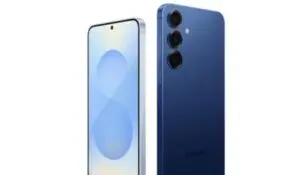
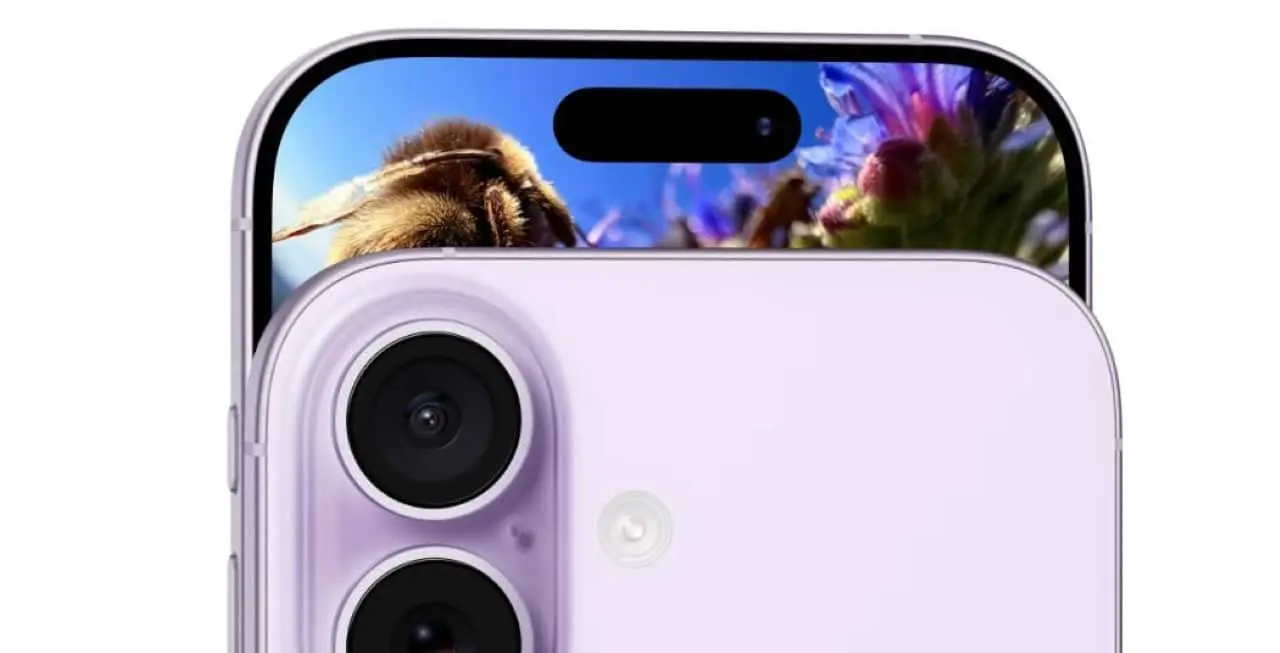
The most striking distinction between the two devices will reside in the display. The iPhone 17 will feature a 6.3-inch screen equipped with ProMotion technology, which allows for a variable refresh rate of up to 120Hz. Isso translates into smoother animations, stutter-free scrolling and a more immediate touch response, significantly improving the user’s interaction with the device.
In contrast, the iPhone 16e will maintain a 6.1-inch screen with a standard refresh rate of 60Hz, similar to the base models of previous generations. Embora offers excellent image quality for media consumption and general use, the fluidity will not reach the same level as its more expensive brother, being a conscious choice to reduce production costs and, consequently, the final price to the consumer.

Performance and processing power
Under the hood, both devices will use A-series chips, possibly the A18 or the new A19, ensuring full compatibility with the Apple’s artificial intelligence capabilities, known as Apple Intelligence. However, the iPhone 17 will receive a version of the chip with a more powerful GPU and power management optimizations.
Learn more: New Apple smartphone hits the market with 5.5 mm and liquid glass screen
This difference in hardware will provide the iPhone 17 with superior graphics performance, ideal for high-end games and video editing applications. Além Furthermore, improved energy efficiency should result in greater battery life, with estimates pointing to up to 30 hours of continuous video playback.
The iPhone 16e, in turn, will have more than enough performance for everyday activities, such as browsing the internet, communicating and using productivity applications. Sua battery will be designed to last a full day with moderate use, meeting the expectations of most users who do not demand maximum performance.
Photographic ability and camera features
In terms of photography, the iPhone 17 should stand out with a more advanced camera system, led by a 48-megapixel main sensor with the “Dynamic Photo” function, which promises to improve motion and color capture. The inclusion of a configurable Ação button, inherited from the Pro lines, will offer quick shortcuts to camera and other functions, making the photography experience more versatile.
This model should also feature improvements in image processing and in low light conditions, thanks to the power of the new chip and possible software optimizations. The final quality of photos and videos tends to be higher, especially for content creators and mobile photography enthusiasts.
More on this story: Apple develops borderless liquid glass display for iPhone commemorative edition in 2027
See Also


The iPhone 16e will also come equipped with a 48-megapixel main camera, ensuring high-resolution, high-quality photos for everyday use. However, it may not have all the software and hardware features of the superior model, such as advanced capture modes or the same level of performance in challenging scenarios.
The strategy is clear: offer a competent camera system in the entry-level model, capable of satisfying the vast majority of users, while reserving the innovations and maximum quality for the iPhone 17, justifying the additional investment for those who prioritize photography.
On the same topic: Apple plans to integrate 120Hz ProMotion display into the entry-level iPhone 19e model in 2028
Storage and purchasing options
The Apple will also differentiate models in terms of internal storage capacity. The iPhone 17 will have 256 GB as a starting point, a generous space that eliminates the concern about running out of memory for most users, allowing you to store a large number of applications, high-resolution photos and 4K videos. Essa decision positions the device as a more future-proof option for users who produce a lot of content.
The iPhone 16e will start with 128 GB of storage, a capacity still considered adequate for standard use, but which may require more careful space management over time. Opções with higher capacity, such as 256 GB and 512 GB, will be available at an additional cost, allowing the consumer to choose the version that best suits their needs and budget.
Design, materials and user experience
The design and construction materials will also serve as a clear differentiating factor between the two future releases. The iPhone 17 is expected to feature a more refined finish and premium materials, possibly with titanium or aluminum edges from a new alloy, giving it a more sophisticated look and feel. Detalhes with thinner screen edges and the inclusion of an Always-On display (Always-On Display) reinforce its position as a superior device, offering convenience by displaying important information, such as time and notifications, constantly and with low power consumption. The presence of the Ação button, in addition to its functionality, also adds a unique design element that visually differentiates it from the entry-level model. Toda this combination of factors results in a more complete user experience and aligned with the expectations of consumers who are looking for the most modern in the Apple line.
Market positioning for each model
Apple’s strategy with the iPhone 17 and 16e aims to serve two distinct market segments. The 16e model is aimed at consumers looking for a gateway to the brand’s ecosystem, prioritizing value for money and solid performance for everyday life, while the iPhone 17 is focused on users and enthusiasts who want access to the latest technologies and superior performance, and are willing to pay more for it.
More on this story: Liquid glass screen will be featured on the iPhone 19 Pro in 2027