New Apple smartphone hits the market with 5.5 mm and liquid glass screen
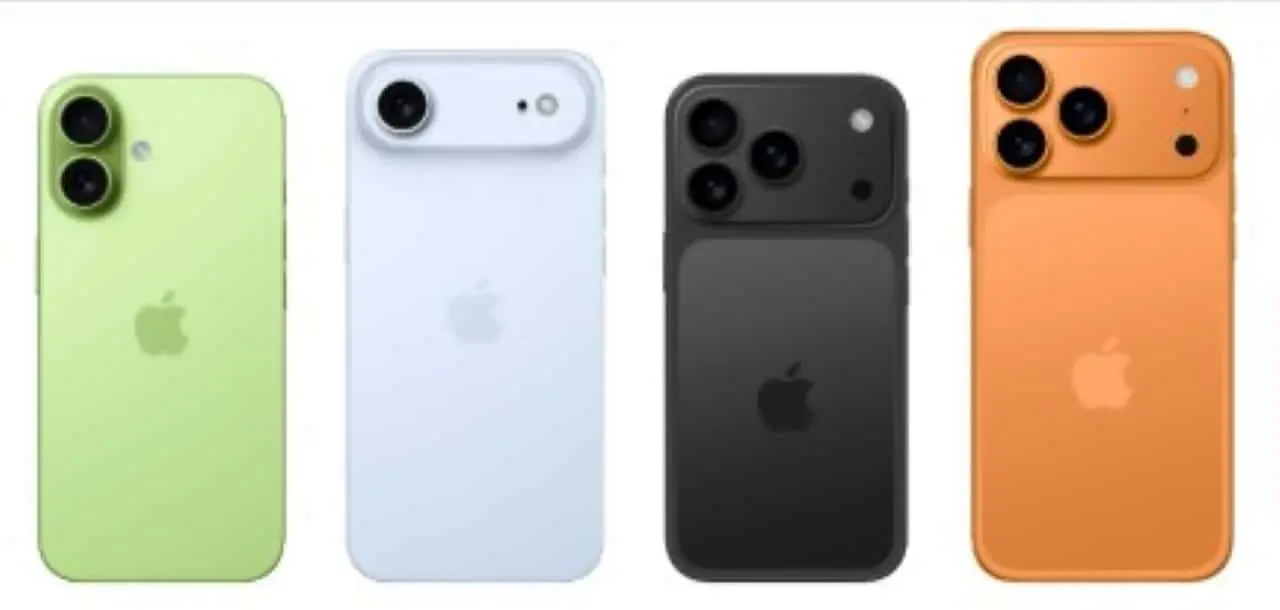
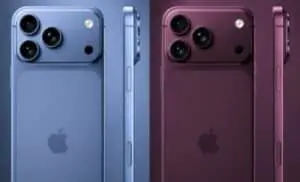
The Cupertino-based technology giant has decided to redefine the limits of hardware engineering with the launch of its latest mobile device. With an impressive thickness of just 5.5 millimeters, the device requires a drastic change in the way the internal components are distributed. Apple engineers had to completely rethink the positioning of the motherboard, sensors and battery to achieve this extremely thin profile. This search for a minimalist design required overcoming complex barriers related to the physical structure and temperature control of the equipment.
This new internal architecture represents a paradigm shift in traditional cell phone assembly. The strategic relocation of the camera, battery and processor modules allowed us to optimize every cubic millimeter of space available under the casing. In addition to enabling extreme thickness reduction, this reorganization brought a direct benefit to user ergonomics. The weight of the device is now distributed much more evenly, providing a feeling of lightness and superior balance during continuous use.
Behind-the-scenes information indicates that the heart of this equipment is a processor custom-designed to operate in reduced spaces without losing efficiency. A dedicated neural engine takes on the responsibility of executing complex machine learning tasks directly on the hardware, eliminating the need for constant connection to cloud servers. This technical choice speeds up application response times and ensures that users’ sensitive data remains restricted to the device itself, raising the standard of privacy in the brand’s ecosystem.
Use of aerospace-grade titanium ensures strength in ultra-thin chassis
The great physical difference of this launch lies in the main structure forged from an exclusive titanium alloy. The choice of this specific material did not occur by chance, as the company needed a solution that could withstand daily use without the risk of warping, a historical problem faced by the industry in very thin models launched in the last decade. The weight-to-strength ratio of titanium ensures that the 5.5 millimeter thickness does not compromise the structural integrity of the phone in the event of impacts.
More on this story: Apple plans to integrate 120Hz ProMotion display into the entry-level iPhone 19e model in 2028
Another crucial advantage of adopting titanium involves managing the heat generated by high-performance components. The metal naturally acts as an efficient heat sink, pulling the high temperature of the logic board and high-density battery away from critical areas. This passive cooling mechanism is essential to prevent the system from overheating, ensuring that the cell phone maintains maximum processing speed even when running heavy games or recording high-resolution videos.
Screen gains liquid glass protection and anti-glare technology
The front of the device introduces an innovation called liquid glass to the consumer market, designed to take the panel’s durability to a new level. This unprecedented material offers a highly resistant barrier against deep scratches and small drops in everyday life. In conjunction with this physical protection, the manufacturer applied a special coating that drastically reduces reflections from ambient light, making it easier to read texts and view images even in direct sunlight.
The display also integrates an intelligent frame update system that instantly adapts to the type of content displayed on the screen. The refresh rate can drop to just 1 Hz when showing a still image or jump to 120 Hz during page scrolling and fast animations. This dynamic fluctuation delivers impeccable visual fluidity to the user, while saving a significant amount of battery power throughout the day.
Learn more: Apple launches 5.5mm smartphone with titanium chassis and liquid glass screen
The union between the extreme resistance of liquid glass and the energy efficiency of the adaptable panel results in a superior user experience. The consumer receives a display that not only impresses with the quality of colors and brightness, but also demonstrates much greater longevity against natural wear and tear caused by constant touch.
Passive cooling system solves heating in confined spaces
Dealing with thermal dissipation has always been the biggest hurdle in creating electronics with such slim profiles. To overcome this physical limitation, Apple’s development team designed a temperature control mechanism that combines a graphene sheet with an ultra-thin vapor chamber. This structure works silently to spread heat evenly across the entire back of the device.
The implementation of this system ensures that both the battery and the central processor always operate within a temperature range considered safe by industry standards. The graphene sheet plays a vital role in this process, as it has an extraordinary ability to conduct heat away from the most sensitive parts, preventing sudden drops in performance.
See Also

Miss World Indonesia Putri Andriani Juficha dies on her 26th birthday

Pokémon Go users report massive failures with login and connection to the game server

Instability in the Nubank application affects customers and service is normalized in a few hours
Complementing graphene, the vapor chamber uses a phase change principle to absorb temperature spikes almost instantaneously. The joint action of these two elements allows the smartphone to sustain intense workloads for prolonged periods, eliminating the dreaded thermal throttling that often reduces processing speed in compact devices.
On the same topic: Apple announces new 5.5mm ultra-thin smartphone equipped with liquid glass technology
Power is supplied by a high-density battery cell, specifically molded to fit the narrow chassis without sacrificing daily range. Advanced electrical management software constantly monitors the owner’s usage patterns, cutting power supply to background processes and optimizing overall operating system consumption.
Camera module adopts periscope shape to eliminate protrusions
The photographic set underwent a complete redesign to respect the 5.5 millimeter limit imposed by the new design. The lenses now assume a horizontal arrangement and use an ingenious periscope system, which bends light internally through prisms. This technique allows for the inclusion of a powerful optical zoom without the need to increase the physical thickness of the capture module.
The adoption of this optical architecture resolved one of the biggest complaints from consumers in recent years: the protrusion of the cameras on the rear. The new cell phone features a completely flat and continuous back surface, allowing the device to rest perfectly on a table without wobbling when touched while typing messages.
Local artificial intelligence processing reinforces data privacy
The integration of artificial intelligence tools directly into the hardware is one of the pillars of this new release. A unique neural coprocessor takes over the execution of complex algorithms, such as advanced facial recognition, real-time language translation and text prediction, operating natively and without relying on third-party applications.
More on this story: Liquid glass screen will be featured on the iPhone 19 Pro in 2027
By processing this information locally, the device eliminates the delay caused by communicating with external servers and shields the user’s privacy. Highly sensitive data, including biometrics, passwords and personal photographs, never leave the phone’s physical memory, closing the door to potential interception during transfers to the cloud.
Visual quality of the OLED panel meets image professionals
The display based on OLED technology delivers absolute contrast, with deep blacks and a maximum brightness rate capable of outshining direct sunlight. Intelligent frame rate variation complements the experience, ensuring that menu navigation is extremely responsive, while reading a digital book consumes as little energy as possible.
The factory calibration of this screen achieves levels of accuracy required by design and photography studios. The fidelity in color reproduction turns the smartphone into a viable tool for professionals who need to edit videos or process high-resolution images while away from their main computers.
- 5.5mm thick chassis sets a new design standard for the mobile device industry.
- Forged structure in aerospace titanium alloy guarantees resistance against twisting and accidental impacts.
- Front panel equipped with liquid glass technology offers superior protection against deep scratches.
- Vapor chamber and graphene sheet work together to dissipate heat in a passive cooling system.
- Internally aligned photo lenses eliminate rear bump and deliver high-precision optical zoom.
- Dedicated neural engine processes artificial intelligence commands locally to protect user information.