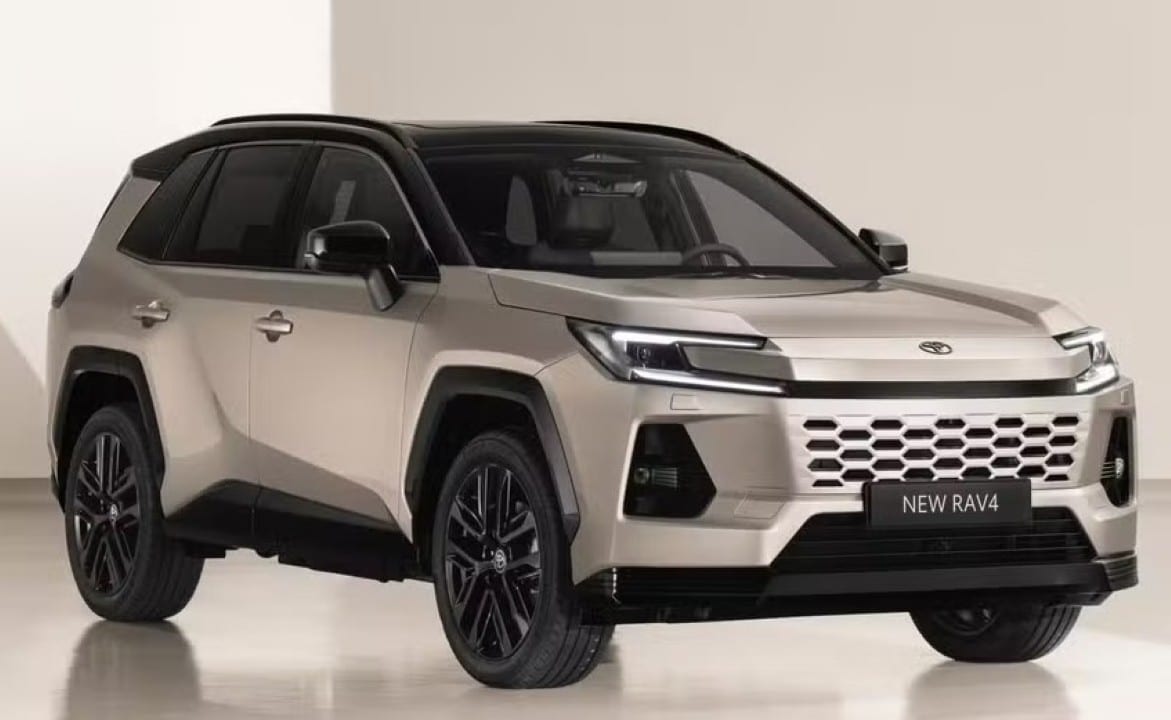
Toyota revealed the first detailed specifications of the new generation RAV4, a model that promises to redefine the concept of connected vehicles in the global market. The sports utility vehicle, scheduled for launch between the end of 2025 and the beginning of 2026, will be the brand’s first to incorporate the Arene software platform. Essa technology works as a centralized operating system, allowing the car to receive constant improvements without the need for physical changes to its components.
The development of this new digital ecosystem was designed to drastically reduce the response time between the creation of new functionalities and their practical implementation in vehicles. Essa’s move positions Toyota in a prominent place in the race for software-defined vehicles (SDV), a niche that attracts consumers interested in technological longevity and continuous innovation.
In addition to the digital leap, the model presents a profound aesthetic renewal, with changes ranging from the front grille to the complete redesign of crucial internal elements, signaling a new era for the Japanese automaker’s design.
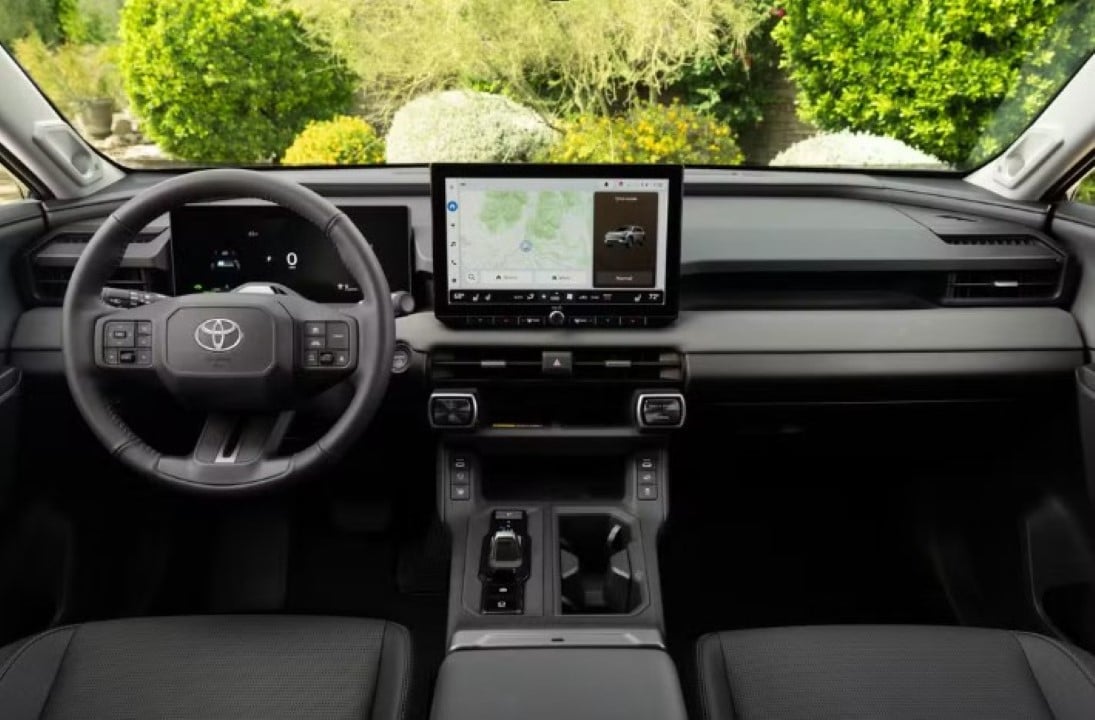
Key technological innovations include the pioneering adoption of the Arene operating system for full control of vehicle functions, the Over-the-Air (OTA) upgradeability for safety and assistance systems, the complete redesign of the cabin with the replacement of the traditional gear lever, and a strategic focus on permanent connectivity to increase resale value through software.
Technological innovation through the Arene platform
The introduction of the Arene system represents a historic engineering milestone for the Toyota, enabling the vehicle’s hardware and software to operate independently yet integrated. With this advanced architecture, the owner of the new RAV4 will be able to purchase or download improvements to the voice recognition system and real-time driving assistants. Essa flexibility ensures that the car does not become obsolete quickly, automatically and safely following advances in artificial intelligence and cloud connectivity, remaining relevant for much longer.
Speed in developing new features is one of the manufacturer’s main promises for this launch, aiming to meet a growing demand for digital personalization. Através From a constant connection to the grid, the vehicle monitors its own performance and suggests parameter adjustments that can optimize energy consumption and engine efficiency. Essa strategy aims to transform the car into a smart device, capable of learning from the user’s driving habits over time and adapting to offer an increasingly efficient and personalized experience.
Dramatic changes to interior design and ergonomics
The interior of the new RAV4 has been completely redesigned to accommodate new technologies, resulting in a cleaner, more modern environment focused on the digital experience. The most commented modification by enthusiasts and critics is the new design of the gear lever, which has been completely rethought to offer more intuitive operation and free up space on the center console. The instrument panel is now fully digital and integrated with the latest generation multimedia center, facilitating access to the Arene system functions and providing a more fluid and interactive user interface. The materials used in the interior finish have also been updated, prioritizing sustainable surfaces and soft touches that elevate the SUV’s perception of luxury. The Toyota sought to balance the characteristic robustness of the RAV4 line with technological sophistication that adapts to both urban use and long-distance travel. Passenger space and trunk volume have been optimized, taking advantage of the new arrangement of electronic components, now more compact and strategically distributed to maximize comfort and practicality.
Constantly evolving safety and driver assistance
One of the biggest benefits of the new software platform is the direct impact on the vehicle’s active safety, which can now be constantly improved by the manufacturer. Sensores and cameras that make up the driver assistance system will have their processing algorithms refined via remote updates.
This significantly improves obstacle and pedestrian detection. In practice, the vehicle delivered today will have superior autonomous braking and lane keeping capabilities months later, based on data collected globally.
The accuracy of navigation systems has also been improved, integrating real-time traffic data with greater processing speed thanks to new onboard hardware. The Arene operating system facilitates integration with smart city infrastructures.
This capability prepares the RAV4 for future vehicle-to-everything (V2X) communications, which promise to reduce the number of traffic incidents and provide a more relaxed and safer drive for all occupants.
Vehicle appreciation through permanent connectivity
Toyota’s strategy with the new RAV4 aims to change the traditional perception of automotive devaluation. The bet is that a car that is kept up to date using software will better maintain its price on the used market.
By offering functions that can be added after purchase, the brand creates a new market for digital services. Estes can be purchased according to the customer’s needs, transforming the car into a service platform.
This “car as a service” vision is in line with global industry trends, where the user experience is dictated by the interface and available digital functionalities.
Market outlook for the world’s best-selling SUV
The RAV4 holds the title of one of the best-selling SUVs globally, and any change to its original formula generates great expectations in the automotive and financial sectors. Toyota understands that the transition to software-defined vehicles is a one-way path to maintaining competitiveness against new technology-focused automakers.
By updating its most popular model with the Arene, the company signals to the market that it is ready to lead the next era of digital mobility, reinforcing its position as one of the industry’s leading innovators.
Technical details and features of the vehicle software
The Arene platform not only manages entertainment, but controls the car’s dynamic systems, allowing fine adjustments to suspension and throttle response. Essa deep integration between software and mechanics allows the creation of different driving profiles that can be downloaded by the driver according to the terrain or personal preference. Toyota invested billions of dollars in the development of this architecture to ensure that the experience is fluid and free from failures or digital vulnerabilities, establishing a new standard of quality and reliability for embedded systems.
The operating system has advanced layers of cybersecurity to protect user data, a crucial factor in a permanently connected vehicle. The user interface is designed to minimize distractions by utilizing intelligent voice commands and a logical arrangement of information. In the future, third-party developers will be able to create applications specific to the Arene and Toyota ecosystem, further expanding the vehicle’s functionality. The processing hardware has been oversized to support software updates for the next ten years, ensuring the longevity of the consumer’s investment.
