Future iPhone 17 should come with a 120Hz screen and improved camera to stand out from the basic iPhone 16e
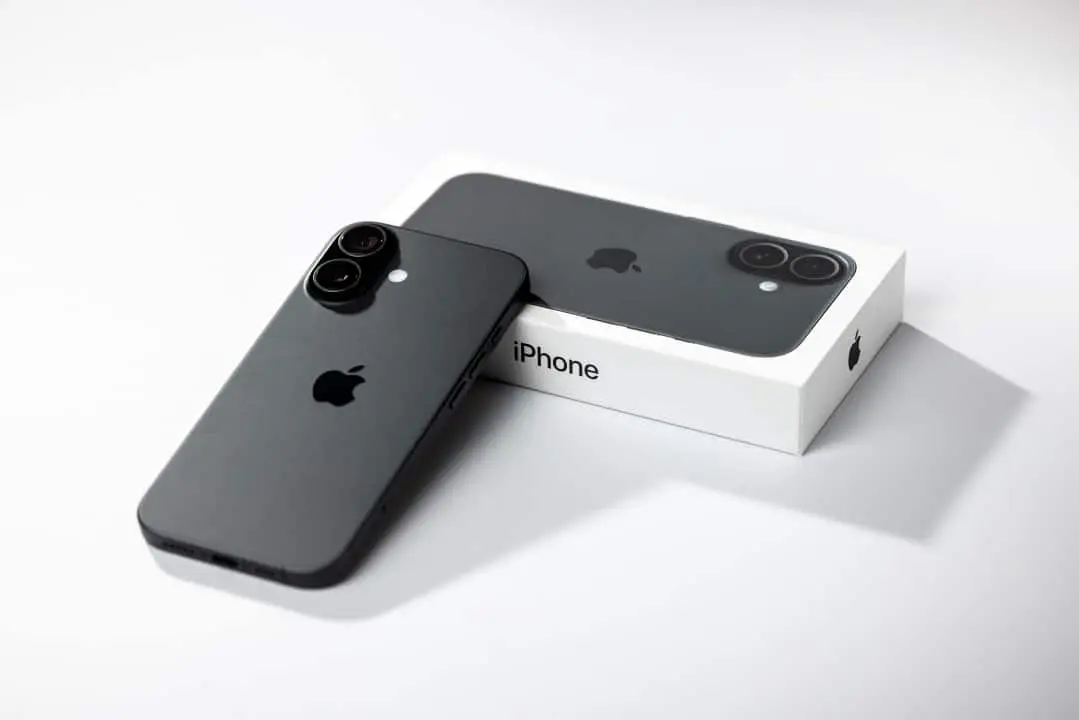
New reports indicate that Apple is planning a significant restructuring of its smartphone lineup, with the introduction of two distinct models: the iPhone 17 and a more affordable version, the iPhone 16e. The main change seeks to accentuate the difference between premium and entry-level devices, focusing on screen, camera and performance improvements to justify price segments and meet different consumer profiles.
This approach, which creates clearer differentiation, aims to optimize the perception of value for each line. Enquanto the iPhone 17 should inherit technologies that were previously exclusive to the Pro models, the iPhone 16e will be positioned as a gateway to the Apple ecosystem, offering essential features, like the Apple Intelligence, but with a more attractive cost-benefit ratio.
The “e” nomenclature suggests a similar strategy to that adopted in the past with the iPhone SE, focusing on delivering a consolidated and familiar experience to a wider audience. The decision to segment launches reflects a market trend in which consumers seek specifications aligned with their needs, whether for casual or professional use.
On the same topic: Apple’s commemorative project tests cell phone with 1.1 millimeter edge and curved screen for 2027
The screen as the main differentiator in the new models
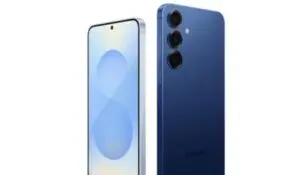
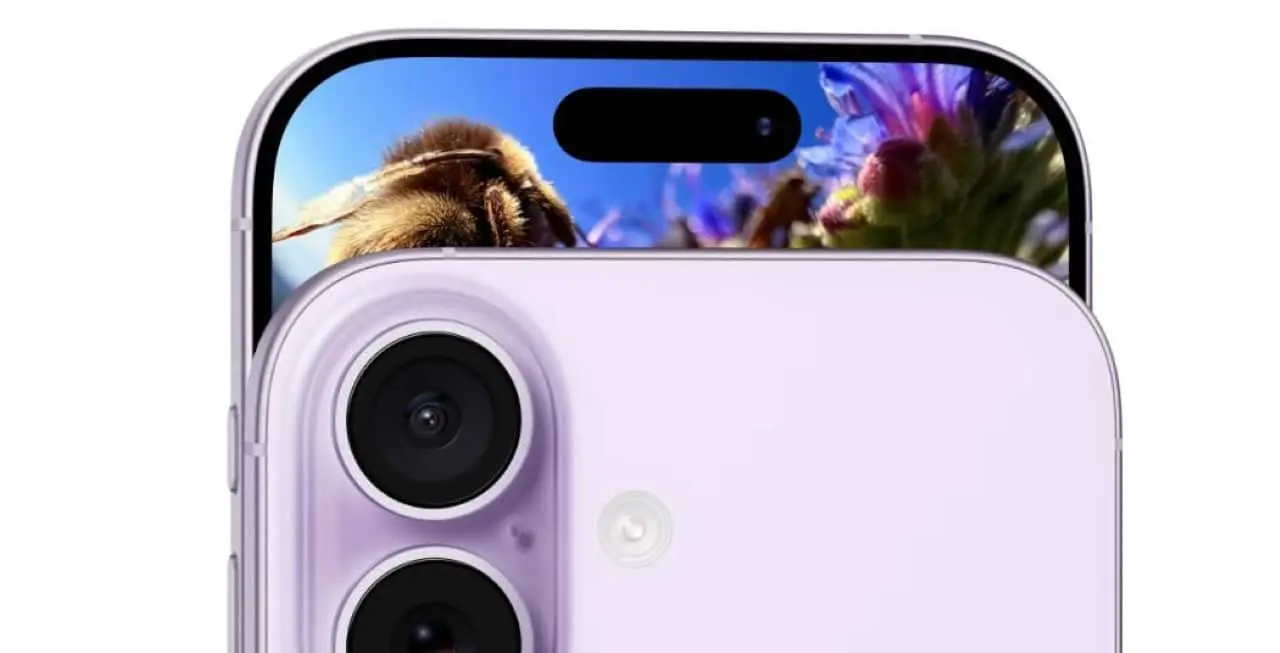
The main evolution of the iPhone 17 will be in its display. Espera The model is equipped with a 6.3-inch screen with ProMotion technology, capable of offering a variable refresh rate of up to 120 Hz. Esse feature, currently restricted to Pro models, provides smoother animations, fluid scrolling, and a more responsive gaming experience.
The implementation of ProMotion technology not only improves visual quality, but also contributes to energy efficiency. The screen can dynamically reduce its refresh rate for static content, such as reading text, saving battery throughout the day and optimizing the device’s overall performance.

In contrast, the iPhone 16e will maintain a more conservative approach to cutting costs. Rumors point to a 6.1-inch screen with the traditional refresh rate of 60Hz. Embora the quality of the OLED panel must be maintained, the absence of ProMotion will be one of the main factors that will differentiate it from its more expensive brother, targeting an audience that does not prioritize maximum display fluidity.
This difference in screen experience will be decisive for many consumers. Usuários who consume a lot of multimedia content, play games frequently or simply value a more agile interface will be naturally attracted to the iPhone 17, while the 16e will serve well for everyday tasks and users coming from older models.
Significant advances in the camera system
The set of cameras will be another pillar in the Apple differentiation strategy. The iPhone 17 is expected to receive a substantial upgrade, incorporating a 48-megapixel main sensor with improved technology to capture sharper, more detailed images, especially in low-light conditions. Espera image quality rivals that of current Pro models.
More on this story: IPhone Ultra’s new advanced cooling system surpasses iPhone 18’s capabilities
In addition to the main sensor, the big news could be the inclusion of a telephoto lens, allowing high-quality optical zoom. Esse feature expands creative possibilities, allowing users to capture distant objects without loss of definition, something that has been a key differentiator from more expensive lines.
See Also


On the other hand, the iPhone 16e should also have a 48 megapixel main sensor, but without the most advanced processing technologies and without the telephoto lens. The focus will be on offering high-quality photos for daily use and on social networks, maintaining the simplicity and efficiency that characterize the brand’s entry-level models, but without the versatility of a multiple lens system.
Performance and battery with different optimizations
In terms of performance, both devices must be equipped with the new generation of Apple chips, possibly from the A18 or A19 series. However, the iPhone 17 may receive a version with a more powerful graphics processing unit (GPU), optimized for games and video editing applications, ensuring superior performance in demanding tasks.
Learn more: IPhone 14 and SE 3 models lose essential Apple support from 2026
Battery optimization will also be a point of divergence. Graças to the ProMotion screen, which intelligently adjusts the refresh rate, the iPhone 17 tends to offer superior battery life, even with more robust performance. Espera The device supports up to 30 hours of video playback, a significant number that makes it ideal for intensive users who depend on their smartphone throughout the day.
Storage strategy and price positioning
Apple also plans to differentiate the models through internal storage capacity. The iPhone 17 should have its entry-level version starting at 256 GB, a reflection of the growing demand for space to store high-resolution photos, 4K videos and increasingly heavy applications. Essa decision aligns the standard model with a more demanding user profile, who creates and consumes a large volume of content. In contrast, the iPhone 16e will start with 128 GB of storage, a capacity considered suitable for the average user who keeps photos, apps and music, but who doesn’t need space for professional files. Should a 256GB option be available for the 16e, its price will likely be closer to the base iPhone 17 model, forcing consumers to decide between more storage or more features like the ProMotion display and telephoto camera. Essa strategic choice reinforces the value proposition of each device and segments the market effectively.
Learn more: Rumors indicate major advances for the iPhone 18 Pro with 12 innovations in development
Design and other possible news
As for the design, the iPhone 17 is expected to adopt more premium materials, such as a titanium finish similar to that of the Pro models, offering greater durability and a more sophisticated appearance. The structure could be redesigned to be more ergonomic, with thinner edges around the screen.
Other features, such as a customizable Ação button, can also be improved on the iPhone 17, offering more shortcuts and functionality. The combination of a refined design and unique features will help solidify its position as a cutting-edge device.
The impact of the new strategy on the market
Apple’s new strategy of clearly segmenting its iPhone lineup with the 17 and 16e aims to offer more defined options for consumers. On the one hand, the iPhone 17 positions itself as a premium device, with cutting-edge screen, camera and performance technology. Do Another, the iPhone 16e caters to the public that seeks the Apple ecosystem experience with a more balanced cost-benefit ratio, focusing on the essentials. The final decision will depend on each user’s priorities and budget, but clarity in the differences between models should facilitate the choice and strengthen the company’s position in different market segments.