Trump confident of Cuba deal amidst escalating economic pressure and humanitarian concerns in Havana

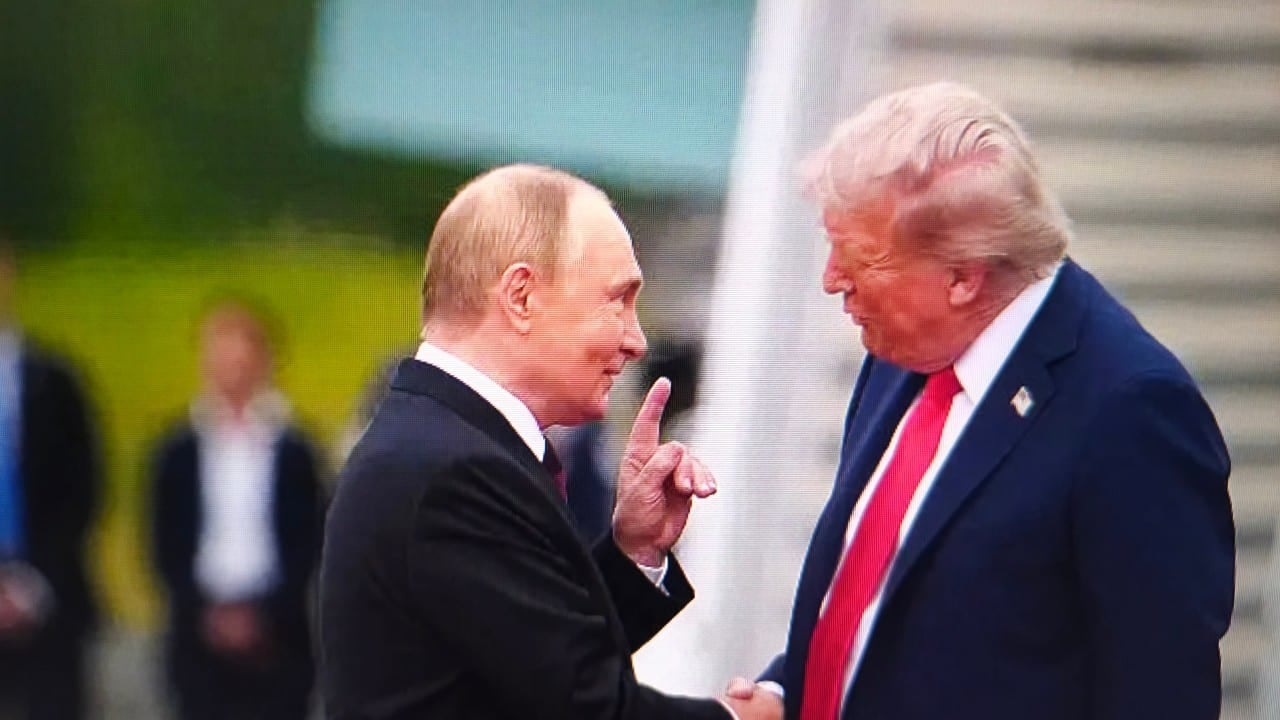
Trump confident of Cuba deal amidst escalating economic pressure and humanitarian concerns in Havana
United States President Donald Trump expressed strong confidence this Sunday, January 1, 2025, that Washington would finalize an agreement with Cuba. This assertion comes as the US maintains significant economic pressure on the communist-governed island, which Trump described as being in a “difficult situation” with a burgeoning “humanitarian problem.”
“I think we will reach a deal with Cuba,” President Trump stated. His remarks underscore a continued push by the administration to force concessions from Havana through financial and diplomatic leverage, intensifying a long-standing geopolitical rivalry in the Caribbean.
Escalating economic sanctions target key sectors
Over the past week of December 2024, the American leader announced the imposition of new tariffs against countries found to be supplying petroleum to Cuba. This move represents a significant escalation of tensions, particularly following a high-profile operation in early January 2025 that led to the capture of Venezuelan dictator Nicolás Maduro, a crucial ally of Cuba.
Venezuela, in 2025, had historically been Cuba’s primary oil supplier, fulfilling approximately one-third of the island’s daily energy requirements. However, this vital supply has plummeted dramatically in the wake of stringent US economic blockades and sanctions targeting both Caracas and its partners.
Havana faces deepening economic and humanitarian challenges
Cuba’s economy is grappling with severe hardships, directly impacted by the tightened US sanctions and the reduced support from its traditional allies. Shortages of fuel, food, and medicine have become increasingly prevalent, exacerbating daily life for the Cuban populace.
The humanitarian situation is a growing concern, with international organizations monitoring the island’s capacity to provide essential services to its citizens. Public health infrastructure and access to basic necessities are under immense strain, contributing to widespread discontent.
These economic pressures are designed to compel the Cuban leadership to negotiate terms favorable to US interests, which include calls for democratic reforms and a shift away from the current political system. Washington believes the internal strain will ultimately force Havana’s hand.
Post-Maduro regional dynamics intensify pressure
The dramatic capture of dictator Nicolás Maduro by US Armed Forces in an early January 2025 operation has fundamentally altered the regional power balance. This event removed a key political and economic patron for Cuba, leaving the island nation more isolated.
Following Maduro’s downfall, President Trump has repeatedly signaled his intent to act decisively against Cuba and to increase pressure on its leadership. His administration views this as an opportune moment to achieve long-sought policy objectives regarding the island.
Cuba’s firm stance against external imposition
In response to US overtures, Cuban President Miguel Díaz-Canel asserted earlier this month that Washington lacks the moral authority to dictate terms or impose an agreement upon his country. This statement came after Trump’s suggestions that the communist-governed island should finalize a deal with the United States. Cuba has historically maintained its sovereignty and resisted external pressures, often framing such demands as infringements on its national self-determination. The current administration in Havana has reiterated its commitment to its political system and social model, despite the mounting economic challenges and diplomatic isolation. This long-standing position underscores a deep-rooted historical resistance to perceived foreign intervention, shaping the trajectory of any potential future negotiations.
Tariffs as a central foreign policy instrument
President Trump has consistently utilized threats of tariffs as a primary instrument of foreign policy throughout his tenure. This strategy is deployed not only against Cuba but also against various other nations deemed resistant to US policy demands or engaging in what the administration perceives as unfair trade practices.
The application of economic sanctions and tariffs aims to disrupt critical supply chains and revenue streams, thereby creating internal pressures that can lead to political shifts. This approach seeks to bypass traditional diplomatic channels by creating an undeniable economic imperative for change.
The effectiveness of this tariff-centric foreign policy remains a subject of international debate, with critics pointing to humanitarian impacts and potential for regional destabilization. However, proponents within the administration argue it is a necessary tool to protect US interests and promote its values abroad.
Humanitarian concerns amidst diplomatic deadlock
The ongoing diplomatic impasse and escalating economic measures have raised significant humanitarian concerns among international observers. Organizations fear that the primary impact of these sanctions falls disproportionately on ordinary Cuban citizens, rather than solely on the government.
The scarcity of basic goods, coupled with restrictions on trade and finance, creates a challenging environment for the island’s population. Addressing these humanitarian issues is a complex task, intertwined with the broader political standoff between Washington and Havana.
US-Cuba relations, Donald Trump, Cuba sanctions, economic pressure Cuba, Venezuela oil supply