
Fighting the spread of cancer: updated strategies for early detection and prevention save lives By Carolina Costa
5 min read
 |
Each year, Dia Mundial of Câncer serves as a crucial moment to reaffirm the vital importance of quality information in the fight against disease. As medicine advances rapidly, late diagnosis of many tumors remains a challenge, complicating therapeutic options and negatively impacting patients’ prognoses.
This scenario highlights the urgent need for ongoing and accessible awareness. Pacientes and their families face not only the physical effects of the disease, but also a significant emotional, social and financial burden, requiring comprehensive and humanized support.
The ability to identify risk factors and warning signs, combined with adherence to routine examinations, may be the key to more effective interventions and, consequently, to increasing cure rates and improving the quality of life of affected individuals.
Understanding and dimension of the disease
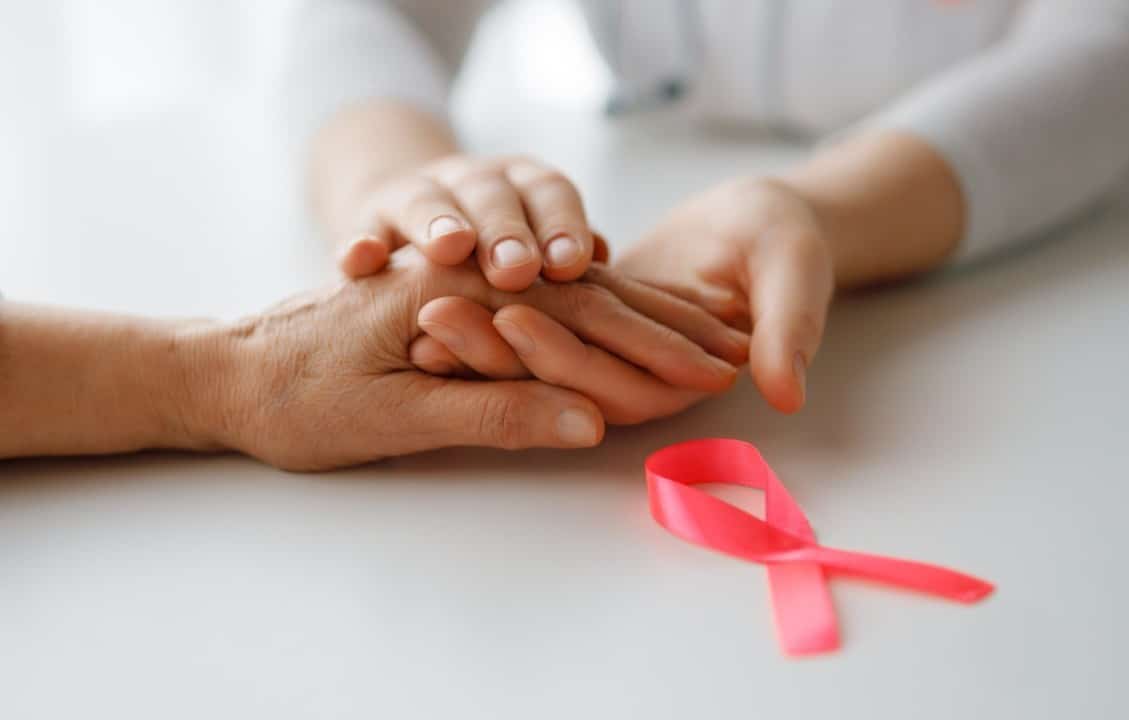
The Organização Mundial of the Saúde (WHO) points to cancer as one of the main causes of global mortality, recording around 20 million new cases and approximately 10 million deaths annually. Esta alarming statistics highlight the severity and scope of the public health problem on a global scale, demanding coordinated efforts and robust policies.
On the national scene, projections from Instituto Nacional to Esses numbers not only illustrate the prevalence of the disease, but also reinforce the pressing need for prevention strategies and access to diagnosis in the national territory.
Essential strategies for prevention
Prevention emerges as one of the most powerful tools in the fight against cancer, with a significant portion of cases being potentially preventable through the modification of risk factors throughout life. Adopting healthy habits is widely recognized by science as fundamental to reducing the chances of developing the disease.
Not smoking, maintaining a balanced diet rich in vegetables and fruits, exercising regularly to combat a sedentary lifestyle, controlling body weight, limiting the consumption of alcoholic beverages and protecting the skin from excessive sun exposure are effective measures. Cada one of these daily choices contributes to reducing risk, forming a protective barrier against disordered cell growth.
The crucial role of early diagnosis
The identification of initial lesions or pre-malignant changes, often even before the appearance of any noticeable symptoms, is an irreplaceable pillar in optimizing oncological treatment. Detection at early stages drastically increases the chances of a cure and allows the application of less invasive therapies with fewer side effects.
Screening exams represent an essential line of defense, offering the opportunity for timely intervention. It is vital that the population understands the importance of:
Comprehensive approach to oncology treatment
Once a cancer diagnosis is confirmed, care must go beyond simply eradicating the tumor, encompassing a holistic view of the patient. The implementation of a multidisciplinary approach is vital to ensure that all dimensions of health and well-being are addressed during the therapeutic journey.
Teams made up of oncologists, surgeons, radiotherapists, specialized nurses, physiotherapists, nutritionists and psychologists work together. Essa collaboration ensures that the patient receives not only the most appropriate clinical treatment, but also support to face the physical and emotional challenges of the disease, maximizing clinical results and quality of life.
Psychological and emotional support emerges as an invaluable foundation, recognizing that feelings such as anxiety, fear and uncertainty are inherent in the process of coping with the disease. Pacientes who receive clear informational support and robust emotional support tend to demonstrate more consistent adherence to the treatment plan and navigate the journey with greater resilience and security.
Global challenges and research advances
The global fight against cancer faces complex challenges, ranging from disparity in access to diagnoses and treatments between different regions of the world to the constant evolution of the disease. Global population aging, together with changes in lifestyles and environmental factors, has contributed to the progressive increase in the incidence of several types of cancer in recent decades.
Scientific research plays a fundamental role in this scenario, tirelessly seeking new therapies and detection methods. Avanços in areas such as immunotherapy, targeted therapies and precision medicine have transformed the treatment landscape, offering hope and optimistic perspectives for patients with types of cancer previously considered intractable or difficult to manage.
However, equitable distribution of these innovations remains a significant obstacle. Muitos developing countries still struggle to provide the necessary basic care, highlighting the need for global policies that promote the sharing of knowledge and the democratization of access to cutting-edge health technologies.
Public awareness, in turn, complements scientific efforts, empowering communities with essential information for primary prevention and early detection. Education about modifiable risk factors and the importance of routine screenings are crucial steps for each individual to make informed decisions about their health.
Healthy habits and continuous monitoring
Maintaining an active lifestyle and a nutritious diet represents one of the most effective barriers against the development of various pathologies, including many types of cancer. Incorporating regular physical activity, such as daily walks or strengthening exercises, alongside a diet rich in fiber, vitamins and antioxidants, contributes to cellular health and strengthening the immune system.
In addition to daily habits, continuous health monitoring through periodic medical appointments is essential. Regular Check-ups allow professionals to identify any anomalies early, providing a crucial advantage in intervention and treatment, significantly increasing the chances of a favorable outcome.
The future of the fight against cancer
The future of the battle against cancer lies in the synergy between innovative research, universal access to quality healthcare, and a strong emphasis on prevention and early detection. Investir continually developing new scientific discoveries and health infrastructure is critical to reducing the burden of disease on a global scale.











