Risk of lithium battery fire leads BYD to recall 89,000 Qin Plus DM-i models
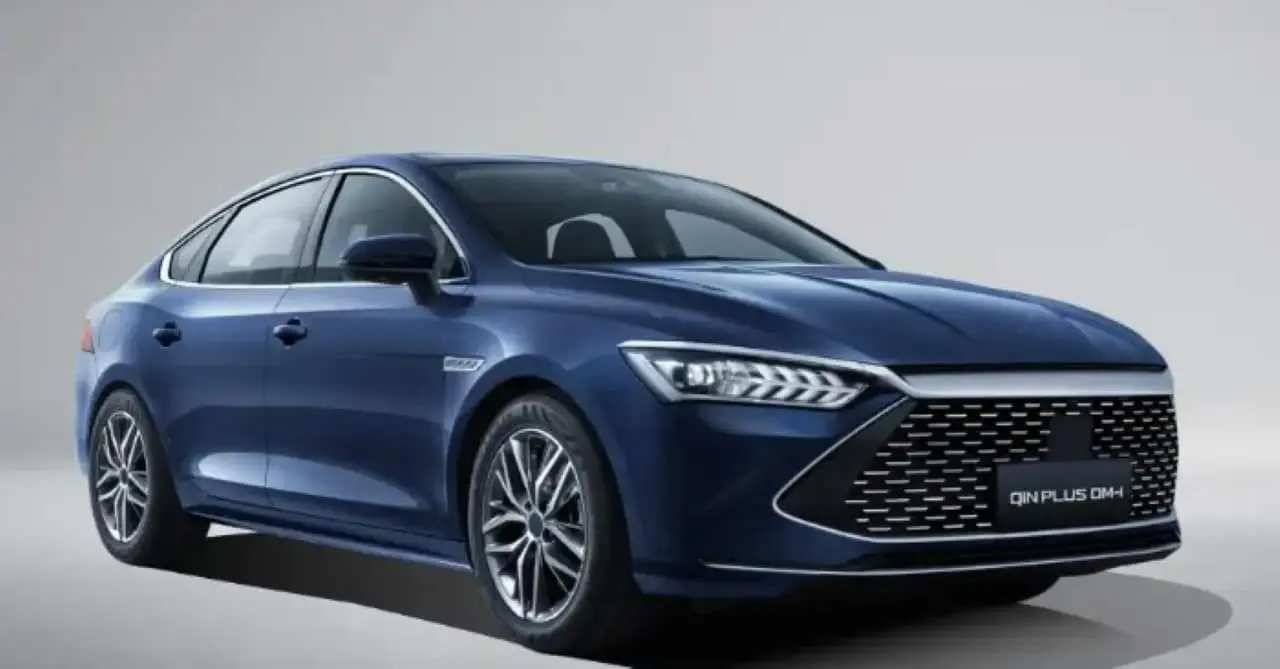
Chinese automotive giant BYD has announced a large-scale recall involving 88,981 units of its popular plug-in hybrid sedan, the Qin Plus DM-i, in the Chinese market. The measure was taken due to a serious fault identified in the high voltage battery pack, which presents a potential risk of overheating and, in extreme cases, could lead to a fire. The vehicles affected by the recall were produced in the period between January 2021 and September 2023, covering a significant batch of the model’s production.
The call was made official with Administração Estatal of Regulação of Mercado of China (SAMR), the main quality and product safety inspection body in the country. The automaker, which is the largest manufacturer of electric vehicles in the world, stated that it will take all necessary measures to correct the problem at no cost to owners, seeking to mitigate any danger associated with the safety of occupants and the vehicle.
The origin of the battery problem
The investigation conducted by the BYD engineering team found the root cause of the defect to be an inconsistency in the manufacturing process of the high voltage battery pack power sampling harness. Esse component is crucial for accurate monitoring of power cells. Devido Due to this irregularity, the harness may become misaligned or have inadequate fixation, which compromises the collection of vital data on the condition of the battery. Consequentemente, Sistema of Gerenciamento of Bateria (BMS) may receive inaccurate cell voltage and temperature information. In situations of continuous use or high demand, such as long trips or intense acceleration, this internal communication failure can prevent the system from identifying an overload or overheating scenario, drastically increasing the risk of a thermal runaway, an event that can culminate in a fire in the battery compartment.
Solutions proposed by the automaker
To resolve the flaw, BYD developed a two-step approach, depending on the needs of each vehicle. The first measure consists of an over-the-air software update, known as Over-The-Air (OTA). Este new firmware improves the algorithms of Sistema, Gerenciamento and
More on this story: BYD automaker announces recall of almost 90,000 electric vehicles in China due to battery failure
In cases where a software update is not sufficient or if an inspection indicates a more imminent risk, owners will be instructed to take their vehicles to an authorized dealer. Nesses locations, specialized technicians will perform a complete physical check of the power sampling harness and, if necessary, replace the defective component free of charge.
How owners will be informed
BYD will initiate contact with owners of vehicles included in the recall through its official communication channels, including notifications via the brand’s app, emails and direct correspondence. The company has also made a query tool available on its official Chinese website, where customers can enter Número of Identificação of Veículo (VIN) to check if their unit is among those affected.
The automaker reinforces that all diagnostic and repair procedures will be carried out at no cost to the consumer. The recommendation is that owners of Qin Plus DM-i models manufactured in the specified period contact the brand’s service channels to schedule the check as quickly as possible, even if they have not noticed any abnormal behavior in the vehicle.
Learn more: Nissan recalls more than 600,000 Note, Note Aura and X-Trail vehicles due to battery controller failure
Context of other brand recalls
This recall of the Qin Plus DM-i is not an isolated event for BYD in recent months. The company has held a series of calls for different models, indicating an effort to improve quality control and proactively respond to potential security breaches.
In previous months, the automaker also issued recalls for other popular vehicles in its portfolio, such as the SUV Tang DM-i and the electric Yuan Pro, both for issues related to battery components and electronic management systems.
Another significant call involved models Dolphin and Yuan Plus, due to problems with air conditioning system components that could, in rare circumstances, affect electrical insulation. Essas actions demonstrate the complexity involved in the mass production of new energy vehicles and the growing vigilance of regulatory bodies.
See Also


Strict regulation in the Chinese market
The Chinese automotive market, the world’s largest, is known for its increasingly strict safety regulations. Administração Estatal of Regulação of Mercado (SAMR) acts rigorously in monitoring manufacturing defects that could compromise consumer safety.
On the same topic: BYD recalls almost 89,000 Qin Plus units in China due to serious battery failure
The agency encourages consumers to report problems and conducts independent investigations, which puts pressure on automakers to act quickly in identifying and correcting faults. Transparency in recall communication is seen as a crucial factor for consumer confidence in a highly competitive market.
BYD sales continue to rise
Despite the news about the recalls, BYD’s commercial performance appears to have not been shaken. The company continues to record impressive sales figures, consolidating its leadership both in the Chinese market and in its global expansion.
The strong demand for the brand’s models, which combine technology, autonomy and competitive prices, has sustained robust growth. Analistas of the market point out that the company’s proactive stance in admitting and correcting failures can, in the long term, strengthen consumer trust in the brand.
The popularity of plug-in hybrid vehicles (PHEV), such as the Qin Plus DM-i, is one of the main drivers of this success. Eles offer a smooth transition for consumers who are still concerned about the range of 100% electric vehicles (BEV).
More on this story: BYD automaker recalls 89,000 hybrid cars due to battery system failures
This resilience demonstrates the strength of the brand and the loyalty of its customer base, who value the continuous innovation and wide range of products offered by the Chinese giant in the electric and hybrid vehicle sector.
The challenge of battery safety
The incident with the Qin Plus DM-i sheds light on one of the electric vehicle industry’s biggest challenges: the safety and durability of battery packs. As manufacturers seek greater energy density to increase autonomy, the complexity of management and refrigeration systems also grows, requiring impeccable quality control at all stages of production.