
Tesla’s dominance in China is broken by the Xiaomi SU7, which leads sales of electric sedans in the country By Maria
5 min read
 |
The global electric vehicle market is witnessing a moment of redefinition with the confirmation that the Xiaomi SU7 sedan has surpassed the sales of the Tesla Model 3 in the China. The electronics giant’s achievement ends a five-year period of undisputed leadership by the North American automaker in the premium segment, signaling a new era of fierce competition in the world’s largest consumer market. The meteoric rise of SU7 demonstrates the strength of technology companies entering the automotive sector, prioritizing the integration of software and hardware as the main competitive differentiator.
The change in the ranking does not reflect a drop in the quality of Tesla products, but rather an accelerated evolution of local manufacturers, which have achieved technological parity with global competitors. The scenario in the main Chinese metropolises, such as Pequim and Xangai, shows that the technical advantage maintained by Elon Musk since the inauguration of The Xiaomi model appealed to a consumer base that previously considered the Tesla the only viable option for performance and connectivity.
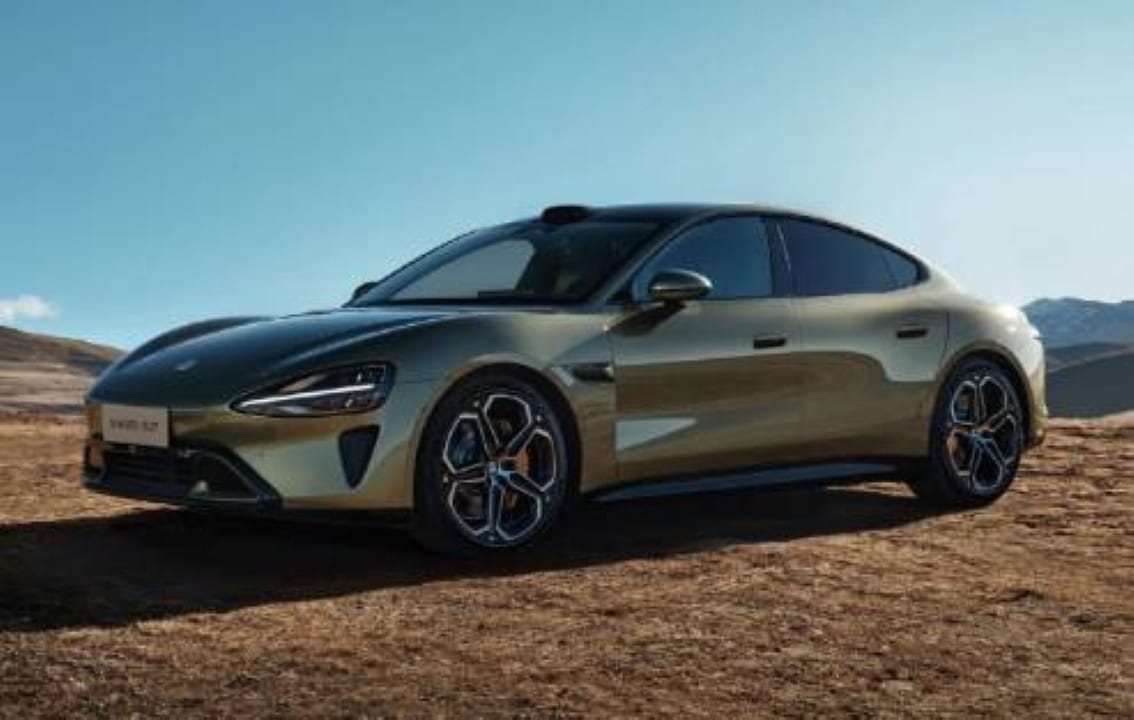
To consolidate this new position, Xiaomi implemented a robust strategy that included rigorous durability testing and aggressive sales logistics. The vehicle underwent autonomy assessments that exceeded 4,200 kilometers in just 24 hours, with strategic stops for recharging that validated its energy efficiency. Esse performance, combined with the volume of reservations that exceeded 100 thousand units in a few days, established the SU7 as a new reference in high-standard electric mobility.
Technological rise and price competitiveness in the Chinese market
The China automotive industry has reached a level of maturity that allows it to compete directly with established giants in terms of electronic sophistication and driver assistance systems. Local companies were able to replicate the user experience offered by Tesla, but with a leaner cost structure and adapted to the local economic reality.
This ability to deliver a product with premium attributes at more competitive prices has redefined consumer dynamics in large Chinese cities. The dispute over prices in the electric vehicle sector has reached unprecedented levels, where every technical detail becomes a crucial selling point to win consumer preference.
While Tesla follows a global update schedule, Chinese brands demonstrate superior agility to implement improvements based on immediate user feedback. Essa constant iteration is cited as the main driver that allowed the Xiaomi SU7 to register a sales volume 30% higher than its direct rival in the last fiscal quarter.
Xiaomi SU7 Performance and Consumer Electronics Experience
Xiaomi’s successful transition from the smartphone to the automotive market was a strategic move that capitalized on the company’s already consolidated digital ecosystem. The SU7 operates as a natural extension of mobile devices, offering fluid connectivity that many traditional manufacturers still struggle to implement in a stable and intuitive way.
The sales success is also credited to the trust that the brand has built in other high-technology segments, which facilitated the acceptance of a product with high added value. Expertise in manufacturing electronic components allowed Xiaomi to optimize its costs and keep the SU7 competitive, even in the face of global inflationary pressures.
Dynamics of competition between local manufacturers and international brands
Previous attempts by other Chinese brands, such as Nio, Xpeng and IM The Xiaomi has succeeded where its compatriots failed by combining high-impact marketing with a product that delivers practical results in autonomy and recharge speed.
The market is now closely watching how Tesla will respond to this loss of leadership in one of its fastest-growing territories. The hardware upgrades introduced in the Model 3 Highland were not enough to contain the advance of the SU7, forcing the company to reevaluate its pricing and product strategy for the region.
The current scenario points to greater fragmentation of the premium market, where exclusivity is no longer linked only to the logo, but to intelligent functionality and user experience. Western automakers face the challenge of maintaining their profit margins while competing with companies that have vertically integrated supply chains.
This phenomenon of leadership replacement suggests that technological hegemony is migrating to innovation hubs that can combine mass industrial production with agile software development, quickly adapting to the demands of an increasingly demanding and connected consumer.
Impact on the supply chain and new standards of electric autonomy
The scale production capacity of Xiaomi surprised investors and analysts in the new energy vehicle sector. The company was able to maintain a high standard of workmanship and the integrity of safety systems while accelerating manufacturing to meet thousands of backlogged orders. Esse balance between demand and delivery, a weak point for many electric vehicle startups, was overcome thanks to the Chinese giant’s vast experience in managing global electronics inventories, a decisive differentiator in sustaining sales growth and consolidating its position in the market.
Industrial reality and the loss of Tesla’s technological advantage
Data collected under real conditions of use demonstrate that the autonomy of the new Chinese models exceeded initial expectations. The focus on aerodynamic efficiency and new chemical compounds for battery cells allowed the SU7 to establish new performance parameters on highways, putting pressure on other manufacturers to invest heavily in research and development so as not to lose relevance.
The charging infrastructure at China evolved in parallel, ensuring support for Xiaomi SU7 owners on the country’s main routes. Integration between the vehicle and the smart electrical grid optimizes charging costs, improving the end-user experience and driving sales organically.
The end of an era in the Chinese market
The Tesla no longer operates in a comfort zone where its drive technology and batteries were considered unattainable. The Chinese market now dictates the pace of innovation, forcing the American brand to adopt more defensive postures and constantly review its prices to remain competitive.
Digital agility as a new differentiator
Xiaomi SU7 units receive system updates at a frequency similar to that of a smartphone, fixing glitches and adding new features in real time. Essa digital agility creates a bond of modernity with owners that traditional manufacturers, including Tesla, have difficulty matching at the same speed.
The end of the Model 3’s five-year reign marks the beginning of a new phase, where the competition will be defined by software details and services added to the vehicle. The mobility market in China has established itself as the most dynamic and technological battlefield in the global automotive industry.



