BYD recalls almost 90,000 Qin Plus DM-i cars in China due to serious lithium battery failure


BYD, Recall, Carro electric, Qin Plus DM-i, Segurança automotive
Chinese automaker BYD, one of the global leaders in the manufacture of electric vehicles, announced a broad recall campaign involving 88,981 units of its popular plug-in hybrid sedan, the Qin Plus DM-i. The measure was motivated by the identification of a serious defect in the manufacturing process of the lithium battery pack, which presents potential risks to the safety of occupants.
The call affects vehicles produced between January 2021 and September 2023. Segundo the company’s official statement, the failure can, in extreme circumstances, lead to an internal short circuit in the battery pack, resulting in a thermal runaway event, popularly known as uncontrolled overheating, with the possibility of fire.
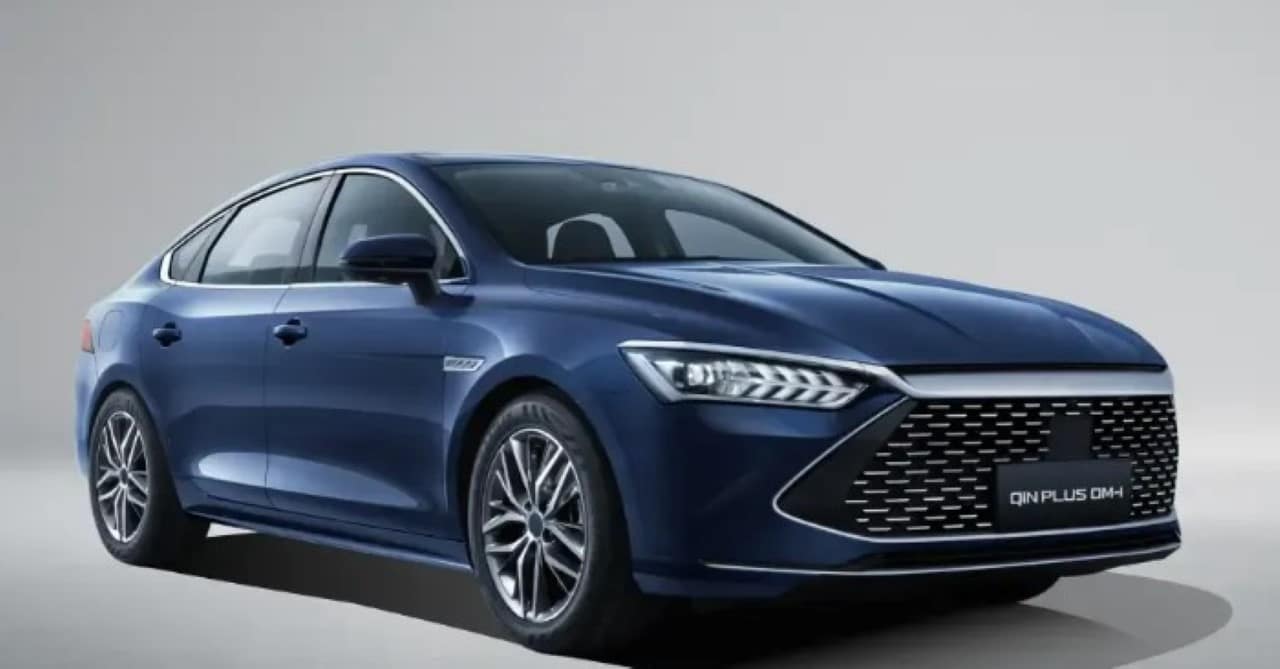
The call was formally registered with Administração Estatal of Regulação of Mercado of China (SAMR), the body responsible for monitoring the quality and safety of products in the country. The decision highlights the growing regulatory pressure on the new energy vehicle (NEV) sector, which has been expanding rapidly in the Chinese and global market.
Details of the failure and the risks involved
The investigation conducted by BYD found that the root of the problem lies in an inconsistency in the manufacturing process of high-voltage battery packs. Essa variability can compromise the internal insulation and stability of the cells, creating conditions for the occurrence of short circuits. Quando this happens, the battery temperature can increase quickly and uncontrollably, a dangerous phenomenon that poses a significant risk of fire, even when the vehicle is parked.
One of the factors that worsens the situation is the potential inability of the Sistema of Gerenciamento of Bateria (BMS) to detect the anomaly in time. In its original configuration, the software could not identify the small variations in voltage and temperature that precede a thermal runaway event, preventing it from issuing an early warning to the driver. The lack of prior warning increases the severity of the risk, as occupants may not have time to evacuate the vehicle safely.
The solution proposed by BYD
To mitigate the risks and correct the flaw, BYD outlined a two-step action plan. The first measure consists of implementing a remote software update, known as over-the-air (OTA). Esta update improves the Sistema, Gerenciamento, Bateria (BMS) algorithms.
The new software will be able to more accurately monitor the conditions of each battery cell, identifying anomalous voltage and temperature patterns that could indicate an imminent risk of short circuit. Upon detecting such a condition, the system will activate audible and visual alerts on the vehicle’s dashboard, instructing the driver to stop and exit the car safely.
The update will be automatically sent to affected vehicles that have an active data connection. Owners will be notified of availability and completion of the process.
Physical inspection and replacement of components
The second stage of the action plan is aimed at cases in which the software update is not sufficient or for vehicles that already show some indication of a problem. Owners of recalled cars will be instructed to take their vehicles to an authorized BYD dealer for a detailed physical inspection.
During this inspection, specialized technicians will perform diagnostic tests on the battery pack. Caso any irregularity or premature degradation is detected, BYD will perform a complete replacement of the battery pack.
The entire process, including software updating, inspection and possible replacement of components, will be carried out at no cost to vehicle owners.
The company reinforces the importance of customers responding to the call as quickly as possible to ensure the safety and proper functioning of the car.
Context of recent automaker recalls
This recall of the Qin Plus DM-i is not an isolated event in BYD’s recent history, reflecting the quality control challenges associated with mass production and accelerated expansion. Nos recent years, the Chinese giant has faced other significant recalls mainly related to the safety of its batteries and electrical systems. In October of the previous year, for example, the company recalled more than 115,000 units of the Tang DM-i and Yuan Pro models due to similar concerns about the safety of high-voltage electrical components. Além In addition, globally popular models such as the Dolphin and Yuan Plus have also been subject to recalls to fix issues ranging from the battery tray seal, which could allow moisture in, to power management software flaws that could lead to inaccurate range readings or unexpected shutdowns. Essas actions, although they demonstrate the company’s proactive stance in correcting failures, also raise an alert about the complexity and challenges of ensuring reliability on a production scale that exceeds millions of units annually, placing supply chain management and the rigor of quality testing under intense scrutiny from both regulators and consumers.
Impact on the Chinese electric vehicle market
The increasing frequency of recalls in the new energy vehicle (NEV) sector in the China, especially involving market leaders such as BYD, is generating increased oversight by regulatory agencies. The Administração Estatal of Regulação of the
This scenario puts pressure on the entire industry to invest more in quality control and durability testing, from the development phase to mass production. Para the consumer, although news of a recall may generate apprehension, it also signals a maturing market, where safety becomes a non-negotiable priority.
How owners will be notified
BYD said it will contact all owners of affected vehicles through multiple communication channels, including mail, email and notifications on the brand’s official app. Além Furthermore, the company has made an online consultation tool available on its official website, where customers can enter the Número of Identificação of the Veículo (VIN) to check if their unit is included in the recall campaign.
Carolina Costa é colaboradora da redação do Mix Vale, portal de notícias com cobertura de Brasil e mundo. Produz conteúdo nas editorias de economia e benefícios, com foco em informação de serviço para o leitor brasileiro. Escreve para o portal desde 2019. Formação: Administração