

Levi’s Stadium in Santa Clara, Sob a mild temperature of 15°C, the decisive match reached half-time with a score of 9-0 in favor of the Seattle team, who knew how to capitalize on the opportunities created throughout the first two quarters. Enquanto the teams head to the dressing rooms for tactical adjustments, the pitch is prepared to receive the Puerto Rican star Bad Bunny, in charge of leading the traditional musical spectacle.
The first half of the clash was marked by an intense tactical battle, where defenses prevailed over the explosive attacks expected for the decision. The Nova Inglaterra team found insurmountable barriers to advance on the field, keeping zero on the scoreboard and facing severe difficulties in protecting their quarterback. Já Seattle’s team managed to move the chains enough to put themselves in a scoring position, although they did not reach the opponent’s end zone.
Sports analysts highlight that the advantage built, although without touchdowns, reflects significant territorial control and precise execution in the moments of defining shots. The expectation for the return of the break revolves around the reaction capacity of the opposing attack and the possible adaptations that the coaches will implement to try to reverse or expand the current advantage.
The halftime show appears as a moment of respite for the athletes and high-octane entertainment for the millions of spectators around the world. The choice of Bad Bunny reaffirms the Latin cultural influence on the league, promising a visually striking presentation that complements the grandeur of the sporting event.
Precision in shots guarantees an advantage
The lead on the scoreboard was built through the right leg of kicker Jason Myers, who proved infallible in the opportunities he had. The player converted three crucial field goals of 33, 39 and 41 yards, transforming the offensive campaigns into vital points for the team. The last score came after a solid nine-play drive that covered 34 yards and consumed almost three minutes of the clock, demonstrating the team’s ability to manage time.
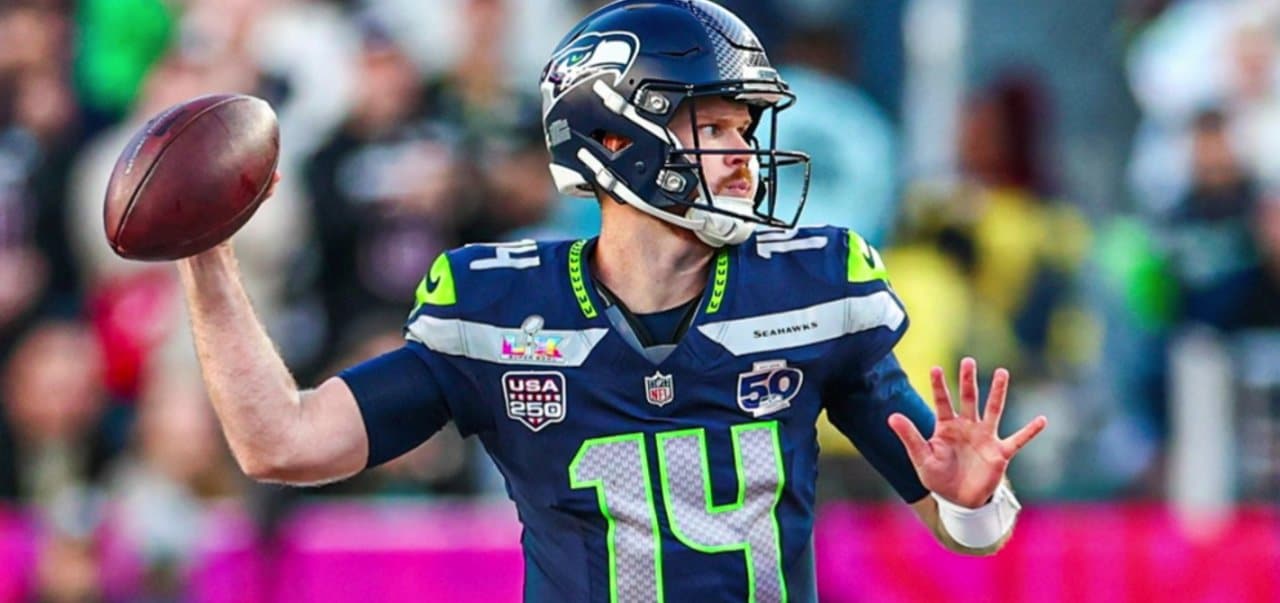
Commanding the attack, quarterback Sam Darnold, wearing jersey number 14, completed 9 of 22 passes for 88 yards. Apesar not having thrown for touchdowns or suffered interceptions, his game management was safe. The offensive highlight was the ground game, with Kenneth Walker III accumulating an impressive 94 yards in 14 attempts, including an explosive 30-yard run that positioned the team well.
Cooper Kupp led the receiving corps with four catches for 44 yards. In total, the offense totaled 183 total yards and achieved 10 first downs, numbers that, although they did not result in touchdowns, were enough to maintain possession of the ball and dictate the pace of the match against a resilient opposing defense.
New England offensive neutralized
The first half was extremely challenging for the Patriots attack, which was unable to establish a rhythm in the face of the opposing defensive pressure. Quarterback Drake Maye, number 10, had a limited performance, completing just 6 of 11 passes for 48 air yards. The offensive line was unable to contain the pass rush, allowing three sacks that resulted in a cumulative loss of 30 yards, killing promising campaigns.
The statistics reflect the team’s offensive ineffectiveness in the first 30 minutes:
– Total of offensive yards: just 52 yards.
– Média per play: 2.2 yards.
– Conversão of third downs: 2 of 7 attempts.
– Jogo ground: 34 total yards, with Rhamondre Stevenson leading with 23 yards.
The team was forced to punt five times, repeatedly giving the ball back to the opponent and failing to threaten the opposing goal. The inability to sustain long campaigns overloaded the defense, which had to return to the field frequently to try to contain the opponent’s momentum.
Statistical mastery and clock control
The disparity between the two teams was evident when analyzing the first half numbers. Seattle Seahawks controlled possession of the ball for 17 minutes and 7 seconds, compared to just 12 minutes and 42 seconds for New England Patriots. Esse control allowed the team led by Darnold to dictate the speed of the game and keep the opposing defense tired.
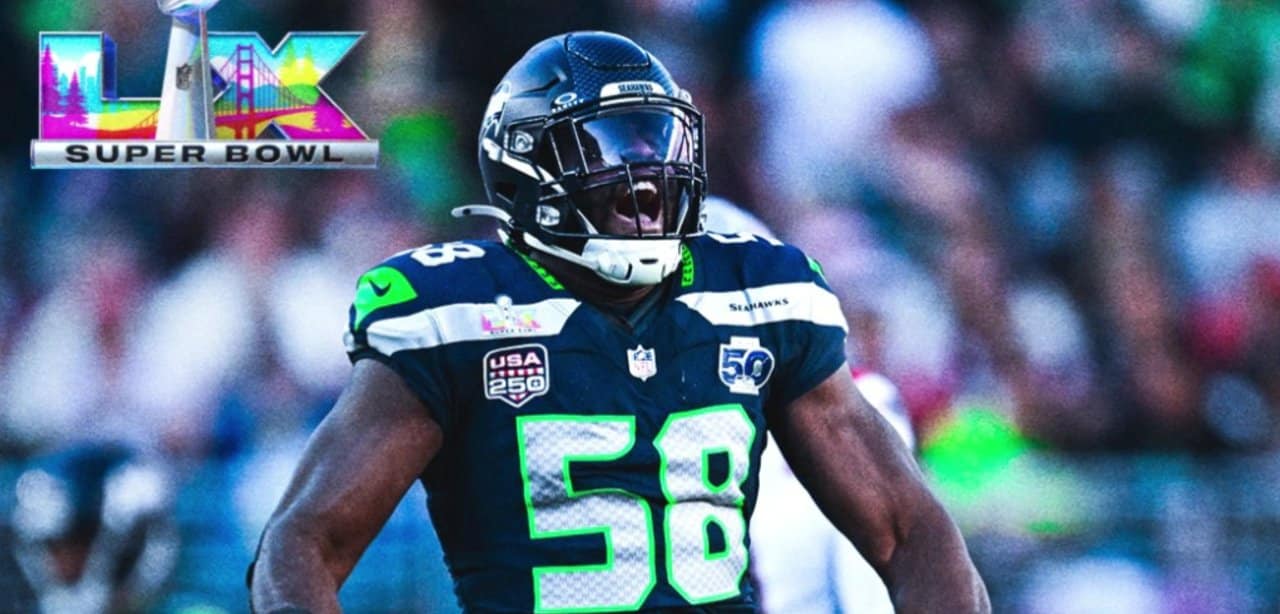
Defensively, the highlight was the constant pressure on the Drake Maye quarterback. Rylie Mills, Derick Hall and Devon Witherspoon each recorded a sack, dismantling New England’s aerial game plan. Ernest Jones IV led the unit with five tackles, being instrumental in stopping the run game.
On the other side, despite the offensive difficulties, the Patriots defense had notable individual performances. Safety Craig Woodson was omnipresent, tallying seven total tackles, including three for loss of yardage. The unit managed to prevent opposing campaigns from ending in touchdowns, keeping the game within two possessions of the second half.
Expectations for the show and the second half
As the statistics are dissected, Levi’s Stadium’s lawn transforms to welcome Bad Bunny. The performance is awaited not only by music fans, but as a cultural milestone within Super Bowl LXI. The fusion between sport and entertainment reaches its peak during this interval, serving as a prelude to the final two quarters that will define the season’s champion.
For the second half, expectations fall on the locker room adjustments. New England will need to find quick solutions to protect his quarterback and establish the ground game if he is to overturn a 9-0 deficit.
Final keywords: Super Bowl LXI, Bad Bunny, Seattle Seahawks, New England Patriots, NFL 2026.



