


The mobile photography experience on mid-range devices has just received a significant overhaul through the latest system update rolled out by the Chinese tech giant. Usuários of smartphones from subsidiary lines, which historically did not have direct access to optical engineering tools developed in partnership with the German company Leica, began to receive advanced imaging functionalities. The release of resources occurs through an OTA (Over-The-Air) update of the HyperOS operating system, marking a strategic change in the democratization of technologies previously restricted to high-end models.
This technical move represents a considerable advance in image processing for millions of active devices globally. The integration of proprietary software aims to raise the standard of photo and video capture, using refined algorithms that were previously exclusive to the manufacturer’s main series. The update not only adds aesthetic filters, but restructures the way the image signal processor (ISP) interprets the information captured by the sensors, resulting in final files with greater dynamic range and color fidelity.
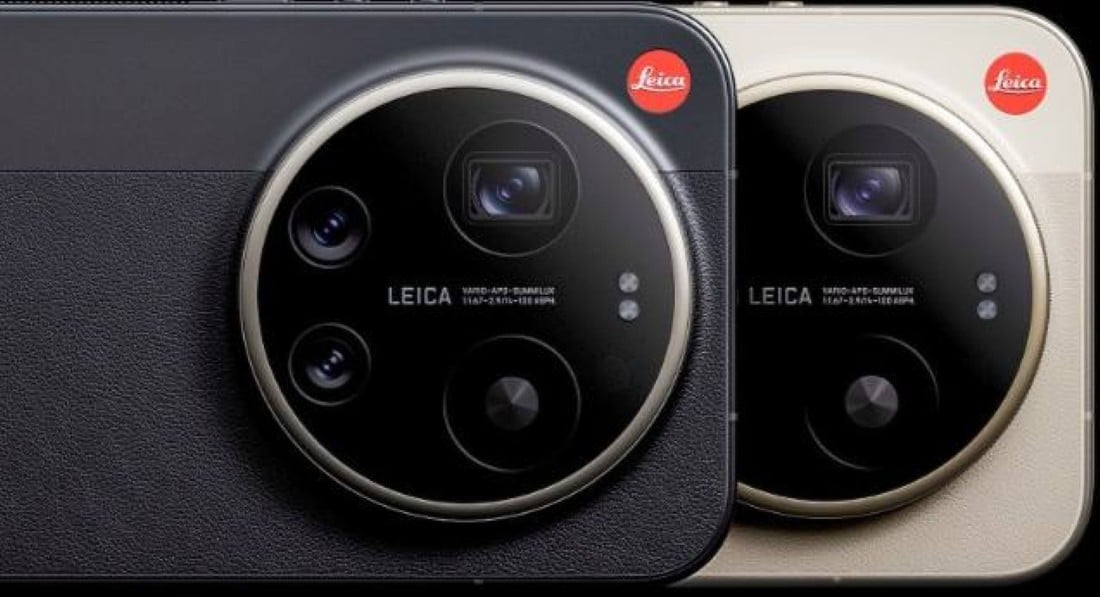
The implementation of these new features reflects an industry trend of focusing on software optimization to extend the useful life and relevance of devices already launched on the market. By bringing the visual signature of a prestigious brand to more affordable devices, the company strengthens its ecosystem and offers consumers a perception of added value, without the immediate need to replace physical hardware.
Professional features reach the mid-range segment
Collaboration between technology and optics companies has resulted in the portability of specific capture modes that alter the colorimetry and contrast of images. The goal is to allow amateur photographers to achieve professional-looking results directly in the native camera app. The update introduces two main processing profiles, plus a collection of artistic filters that simulate classic lenses.
The new operating modes were designed to suit different lighting scenarios and users’ aesthetic preferences:
– Leica Authentic:Este mode prioritizes the preservation of true contrasts and natural color reproduction. The focus is on maintaining the integrity of light and shadow in the scene, avoiding excessive artificial digital processing that often softens important textures in documentary or street photography.
– Leica Vibrant:Desenvolvido To create images with greater immediate visual impact, this profile increases saturation and brightness in a balanced way. It is ideal for capturing landscapes, gastronomy and scenes where the vibrancy of colors is the central element of the composition.
– Artísticos Exclusivos filters:The editing library has been expanded with options such as “Sunset”, which intensifies warm tones for sunset photos, and “Moon Clara”, focused on night scenes, allowing for greater creative versatility without the need for third-party applications.
Software optimization and visual performance
The engineering behind this update goes beyond simply applying color filters. The source code of the camera application has been modified to integrate the neural processing engine that works in conjunction with the existing hardware. Mesmo Although the physical sensors of the Redmi and Poco devices are not identical to those of the Xiaomi main line, software calibration allows a significant reduction of digital noise in low light environments.
Preliminary tests indicate that the new algorithm can recover details in shadow areas that were previously underexposed. Artificial intelligence analyzes the scene in real time, adjusting ISO and shutter speed parameters to compensate for the physical limitations of intermediate lenses. Isso results in greater visual consistency between different cameras on the same device, whether wide-angle or main lens.
The strategy of unifying the user experience through HyperOS demonstrates the commitment to keeping the customer base up to date with the latest innovations. Para the consumer, this translates into a more robust content creation tool, capable of producing high-quality materials for social networks and basic professional use, raising the level of competitiveness of intermediate models compared to direct competitors.
Installation procedures and requirements
The availability of the update package follows a staggered schedule, varying according to the geographic region and the specific smartphone model. The system was programmed to automatically notify users as soon as files are ready for download from the company’s servers. Não It is necessary to carry out complex procedures to manually unlock or install APK files, ensuring the security and stability of the operating system.
To ensure a safe transition to the new version of the camera interface, it is recommended that the device has at least a 50% battery charge and connected to a stable, high-speed Wi-Fi network. Interrupting the installation process can cause software instability, so caution is essential. Após completion and automatic restart of the device, the new Leica icons and menus will be visible on the main camera interface.
It’s important to note that while the update is comprehensive, some very specific features that rely on high-end dedicated hardware may not be available on all older models. Contudo, the foundation of the enhanced photography experience, and core filters are guaranteed for the vast majority of eligible devices in the recent Redmi Note and Poco F and X lineups.



