

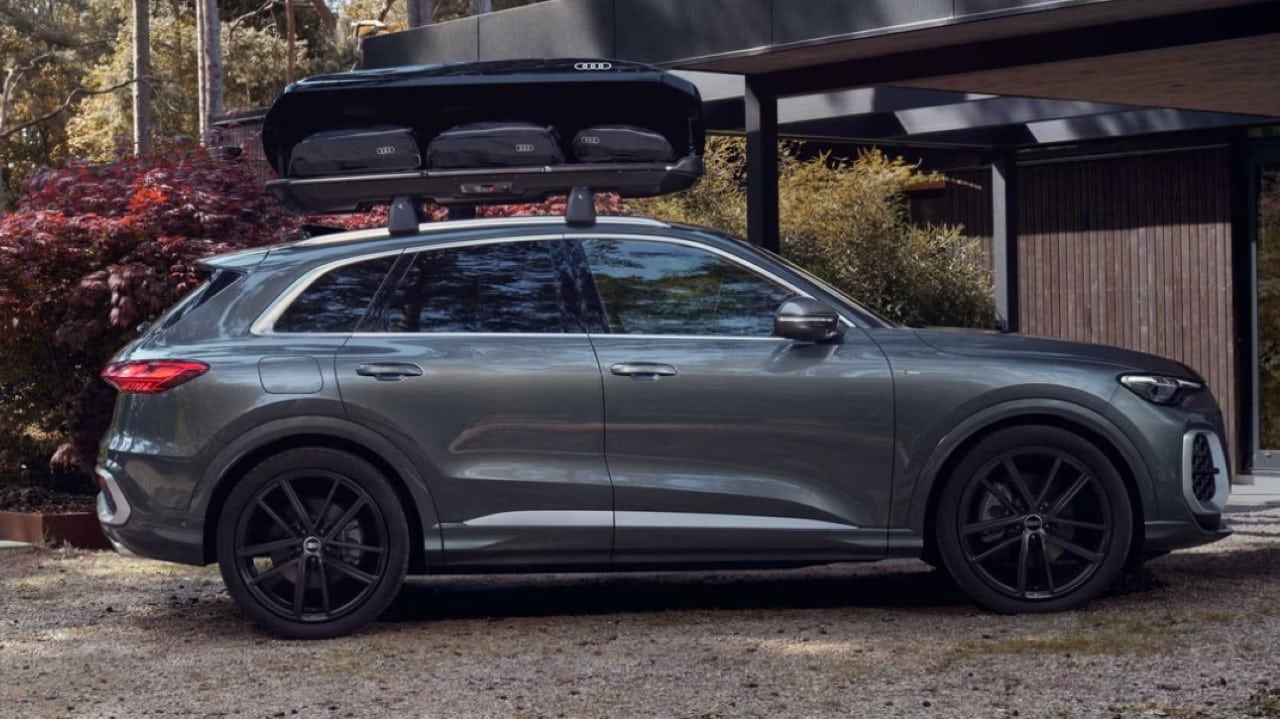
Audi has officially started sales of the third generation of the Q5 in the Brazilian market, renewing one of the central pillars of its strategy in the premium SUV segment. The model arrives in the country with significant updates to its engine and technological architecture, positioned with a starting price of R$424,990 for the entry-level version. The configuration chosen for this debut is the Advanced 2.0 TFSI quattro S tronic, which brings an important mechanical evolution by increasing the power of the engine to 272 horsepower, distancing itself from the previous generation and reinforcing the German brand’s competitiveness against its European rivals.
This new lineage of the sports utility vehicle does not rely on total electrification for the first time, maintaining loyalty to internal combustion engines with high efficiency. The mechanical set is led by the 2.0 turbo gasoline engine, which works in conjunction with the quattro all-wheel drive, guaranteeing the manufacturer’s characteristic driving dynamics. The launch strategy includes the arrival of the first units at dealerships, consolidating the Q5’s presence in a sought-after niche where the balance between performance and onboard technology defines the luxury consumer’s preference.
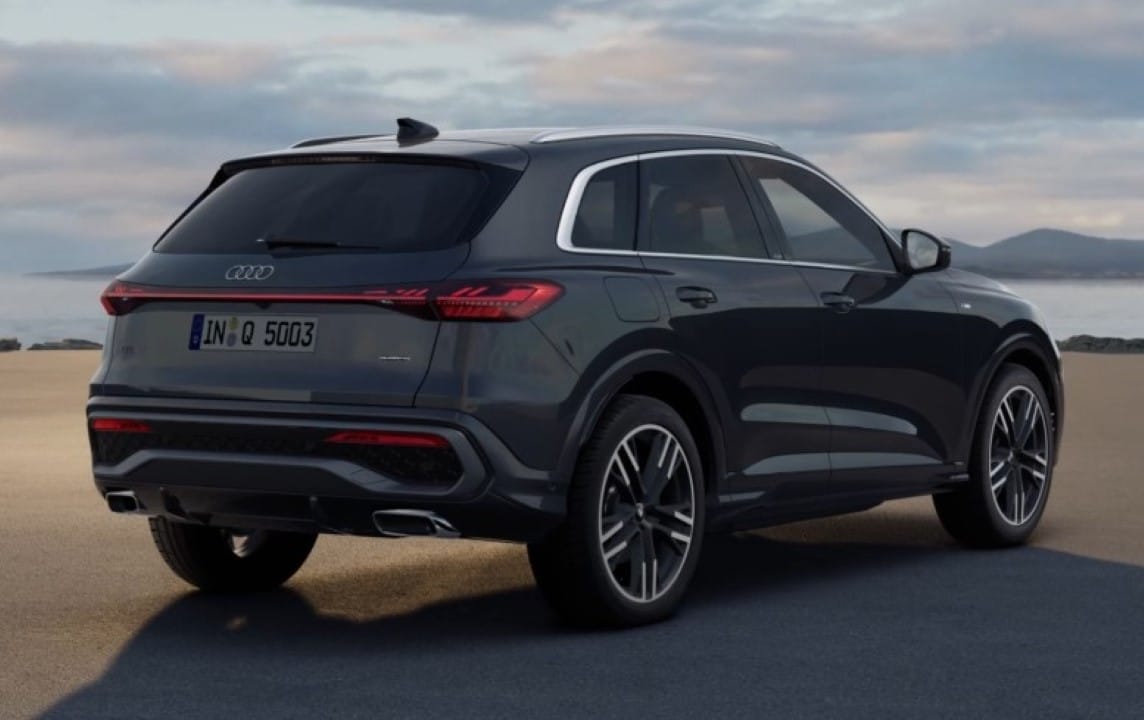
The external design underwent a redesign that seeks to align the vehicle with the automaker’s new visual language, without drastically breaking with the identity that established the model. The Advanced version displays a cleaner aesthetic, abandoning the false exhaust outlets in favor of a rear bumper with a functional and integrated design. At the front, the Singleframe grille was redesigned, wider and positioned to emphasize the car’s robustness, flanked by tapered optical clusters that give a modern and aggressive visual signature.
The renewal of the Q5 is strategic for the operation of the Audi in the The decision to maintain, for now, the purely combustion engine in this specific version, reflects a market reading where the demand for high-performance thermal engines still remains relevant, especially when combined with energy efficiency technologies and state-of-the-art dual-clutch transmissions.
Platform evolution and mechanical engineering
The structural basis of the new Q5 is the unprecedented PPC (Premium Platform Combustion) platform, developed specifically for vehicles with longitudinal combustion engines. Esta architecture represents a direct evolution of the well-known MLB Evo, bringing with it the new E3 1.2 electronic architecture. Essa technical update allowed the integration of five high-processing central computers, responsible for managing everything from the driving assistance systems to the complex infotainment interface, preparing the vehicle to receive remote updates and new digital features throughout its life cycle.
Under the hood, the 2.0 TFSI engine from the EA888 Evo 5 family delivers better numbers than its predecessor. The jump from 265 to 272 horsepower, combined with 40.8 kgfm of torque, results in agile performance for a vehicle of this size. The seven-speed S tronic automated transmission, with double clutch system, was calibrated to offer imperceptible shifts in urban driving and quick responses in demanding sporting situations, maximizing the use of the force generated by the engine.
The quattro traction system with ultra technology is another highlight of the engineering applied to this SUV. The mechanism prioritizes traction on the front axle under normal driving conditions, decoupling the rear axle to reduce friction and fuel consumption. However, upon detecting any loss of grip or dynamic need, the system reengages four-wheel drive in fractions of a second, ensuring stability and safety without the driver needing to intervene. The four-wheel multilink suspension complements the package, offering a refined balance between ride comfort and firmness in curves.
Digital interior and user experience
The cabin of the new Q5 breaks with the brand’s previous standards by adopting the “Digital Stage” concept. The panel is dominated by a curved panoramic OLED screen that integrates two distinct viewing zones. The driver has the fully configurable 11.9-inch Audi Virtual Cockpit, while the 14.5-inch central screen manages the MMI multimedia system. Esta interface, based on the Android Automotive operating system, offers intuitive navigation and fluid connectivity with smartphones, eliminating the need for cables and simplifying access to applications and streaming services.
The internal finish of the Advanced version uses high quality materials, mixing shades of black and gray in a sober and elegant composition. The front seats have wide-ranging electrical adjustments, allowing you to find the ideal driving position with ease. The flat-based steering wheel and sporty grip reinforce the model’s dynamic vocation, while configurable ambient lighting creates a sophisticated atmosphere during night driving, highlighting the horizontal lines of the dashboard and doors.
In terms of space, the SUV grew slightly in length, reaching 4.71 meters, although it maintained a wheelbase of 2.82 meters. The trunk offers 520 liters of capacity, a volume suitable for family trips and everyday use. The absence of the traditional spare tire, replaced by a repair kit with sealant and compressor, allowed better use of the cargo compartment, although it is a point of attention for consumers who frequently travel on roads with poor paving.
Standard equipment and embedded technology
The equipment list for version Advanced was created to justify the model’s premium positioning. Entre standard features include the Full LED headlights with a dynamic visual signature, which guarantee excellent nighttime visibility. The 20-inch light alloy wheels, shod with 255/45 tires, fill the wheel arches well and contribute to directional stability at high speeds.
In terms of comfort and convenience, the model offers three-zone automatic air conditioning, allowing individual temperature adjustments for the driver, front passenger and rear seat occupants. The high-fidelity sound system has eight speakers and a subwoofer, providing an immersive acoustic experience. The electrically opening and closing trunk lid facilitates access to the cargo compartment, especially when the user has their hands full.
Active and passive safety is reinforced by a comprehensive package of driving assistants. Adaptive cruise control maintains a safe distance from the vehicle in front, while lane keeping assistant alerts the driver of unintentional deviations. Sensores front and rear parking spaces, combined with the high-resolution reversing camera, make maneuvering in tight spaces safer and more precise, mitigating the risk of minor urban collisions.
Performance and market positioning
Performance data released by the manufacturer indicates that the Q5 accelerates from 0 to 100 km/h in 6.2 seconds, with a top speed electronically limited to 250 km/h. Apesar of its 1,850 kg, the SUV demonstrates agility, benefiting from the abundant torque available at low revs. Fuel consumption, measured by Inmetro, records averages of 8.3 km/l in the city and 10.2 km/l on the highway, competitive figures for a vehicle with all-wheel drive and a purely combustion engine in this category.
The price of R$424,990 places the Audi Q5 Advanced in a strategic position compared to its main German and Swedish competitors. The Volvo XC60, for example, starts at higher prices in the plug-in hybrid version, while the BMW Essa Aggressive pricing can be a decisive factor in attracting buyers looking for the solidity of German engineering without necessarily migrating to immediate electrification.
The arrival of this third generation reaffirms Audi’s commitment to keeping its portfolio updated in the Brasil, offering products that combine the brand’s mechanical tradition with the latest digital innovations. With a balanced package of performance, comfort and technology, the new Q5 has the mission to defend the brand’s participation in one of the most profitable and vital segments for the global automotive industry.
Final keywords: Audi Q5 2026, luxury SUV, 2.0 TFSI engine, PPC platform, automotive technology.
Long-tail keywords: launch Audi Q5 Brasil price and technical sheet.



