

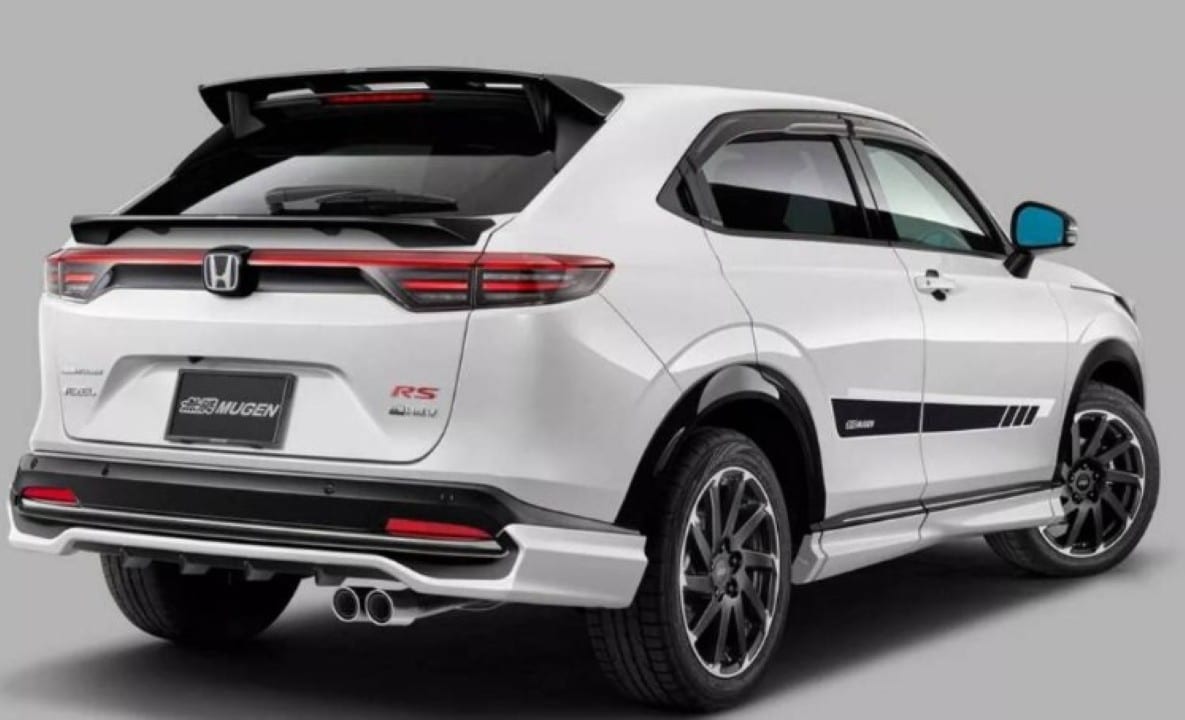
The Japanese automotive industry is preparing a significant update for one of the most popular sports utility vehicles in the Asian market. Honda confirmed the launch of an exclusive configuration for the Vezel model, known in other global markets as HR-V, focused on the RS e:HEV hybrid variant. The project stands out for the integration of components developed by renowned brands in motorsport, aiming to improve both the aesthetics and driving dynamics of the vehicle.
This new version is the result of a technical collaboration involving aerodynamic accessories from the Mugen sports division and suspension engineering solutions provided by Yamaha. The official timeline indicates that sales will begin in February 2026 on the Japão, offering local consumers an option that preserves the efficiency of the original hybrid system but adds an extra layer of customization and mechanical refinement to the chassis.

The central objective of this initiative is to serve a customer profile that seeks visual differentiation and more refined behavior behind the wheel, without necessarily changing the car’s base engine. The strategy reinforces the brand’s presence in the competitive compact SUV segment, delivering a product that combines the reliability of the e:HEV system with the visual aggressiveness typical of high-performance models.
The partnership established for this launch demonstrates how manufacturers can explore the aftermarket and factory customization market to revitalize existing models. By incorporating items that would typically be purchased separately, the automaker offers a cohesive, engineering-validated package, ensuring that aesthetic and structural modifications work in harmony with the car’s original design.
Dynamic refinement with Yamaha technology
One of the highlights of this configuration lies in the application of the so-called Performance Dampers, developed by Yamaha. Trata is a chassis damping system installed at the front and rear ends of the vehicle, designed to absorb micro-vibrations and body deformations during driving. Diferente than a traditional sports suspension that only stiffens the ride, this technology aims to improve directional stability and ride comfort simultaneously.
The inclusion of these components results in a more precise and linear steering response, reducing the need for small steering corrections on long roads or curves. Além Furthermore, the system contributes to the reduction of noise and vibrations that reach the cabin, increasing the perception of quality and sophistication on board the sports utility vehicle.
The engineers focused on creating a balance between the sportiness suggested by the appearance and the vehicle’s everyday use. The fine adjustment provided by the Yamaha’s chassis shock absorbers allows the car to maintain its family and urban vocation, but with a more settled and confident posture in dynamically demanding situations.
Aggressive aesthetics signed by Mugen
The visual package developed by Mugen substantially transforms the SUV’s appearance, giving it a more robust and aerodynamic identity. The complete kit includes a new front spoiler that projects aggressively, side skirts that visually lower the car’s silhouette and a redesigned rear bumper to accommodate the new exhaust elements.
The rear receives special attention with the installation of an extended spoiler on the top of the trunk lid and a smaller spoiler just below the glass, creating a double tail profile. Além Furthermore, the set is complemented by 18-inch light alloy wheels with an exclusive design, available in two different finishes, and decorative stripes that reinforce the sporty character of the edition.
To complete the external transformation, the exhaust system was replaced by a sports unit with double tips, made from stainless steel or titanium, depending on the configuration chosen. Este component not only changes the rear aesthetics, but was also designed to produce a fuller and more involving sound, consistent with the look proposed by the preparer.
Maintained interior and engine
Internally, the changes are subtle, but effective in creating a different atmosphere. The highlight is the exclusive rugs with the Mugen brand, which protect the floor and add a touch of exclusivity. The cabin maintains the ergonomics and functional layout of the original model, preserving the comfort and onboard technology that characterize the line.
Under the hood, the Honda chose to keep the mechanical package unchanged, trusting in the proven efficiency of the e:HEV hybrid system. The vehicle is powered by a 1.5-liter gasoline engine that works in conjunction with two electric motors, generating a combined power of 131 horsepower and a torque of 25.8 kgfm. The e-CVT automatic transmission manages power delivery, prioritizing fuel economy and smooth acceleration.
The decision not to change engine power reflects the car’s purpose: to offer an impressive look and refined handling, without compromising durability or fuel consumption. The performance is considered adequate for the vehicle’s purpose, with the instantaneous torque of the electric motors ensuring agility in urban traffic.
Prices and market availability
The new model’s commercial launch is restricted to the Japanese market at this point. The base price of the vehicle starts at approximately $24,200, which can increase considerably with the addition of the full accessory package. Including all of the Mugen’s items, including the aero kit, wheels and exhaust, adds around $9,300 to the final cost.
Adding the value of the car and the total cost of modifications and installation, the final price for the consumer who wants the complete experience approaches $33,500. Este price positioning places the special version at a higher level within the range, competing with top-of-the-line versions of other compact and medium SUVs available in the region.
There is still no confirmation on the export of this specific kit or the complete version to other markets where the model is sold. However, the strategy serves as a showcase for the platform’s customization possibilities, maintaining public interest and renewing the product’s image in the face of growing competition in the electrified sector.



