


The high-displacement motorcycle sector in the Brasil receives a significant update this February with the confirmation of the arrival of a new model of the Kawasaki. The Japanese manufacturer introduces the long-awaited Z1100 to the national market, a naked that promises to redefine performance and electronics standards in its category. The strategic launch aims to consolidate the brand’s presence among premium options, offering a robust mechanical package combined with cutting-edge assistance systems to attract demanding motorcyclists.
This move by the automaker comes at a time when the two-wheel segment is booming, where the search for vehicles that deliver both sporting performance and road usability has grown. The new motorcycle arrives at dealerships with the mission of replacing previous generations of the Z family, bringing profound updates to its engine, chassis and digital interface, positioning itself directly against European and Asian competitors already established in the country.
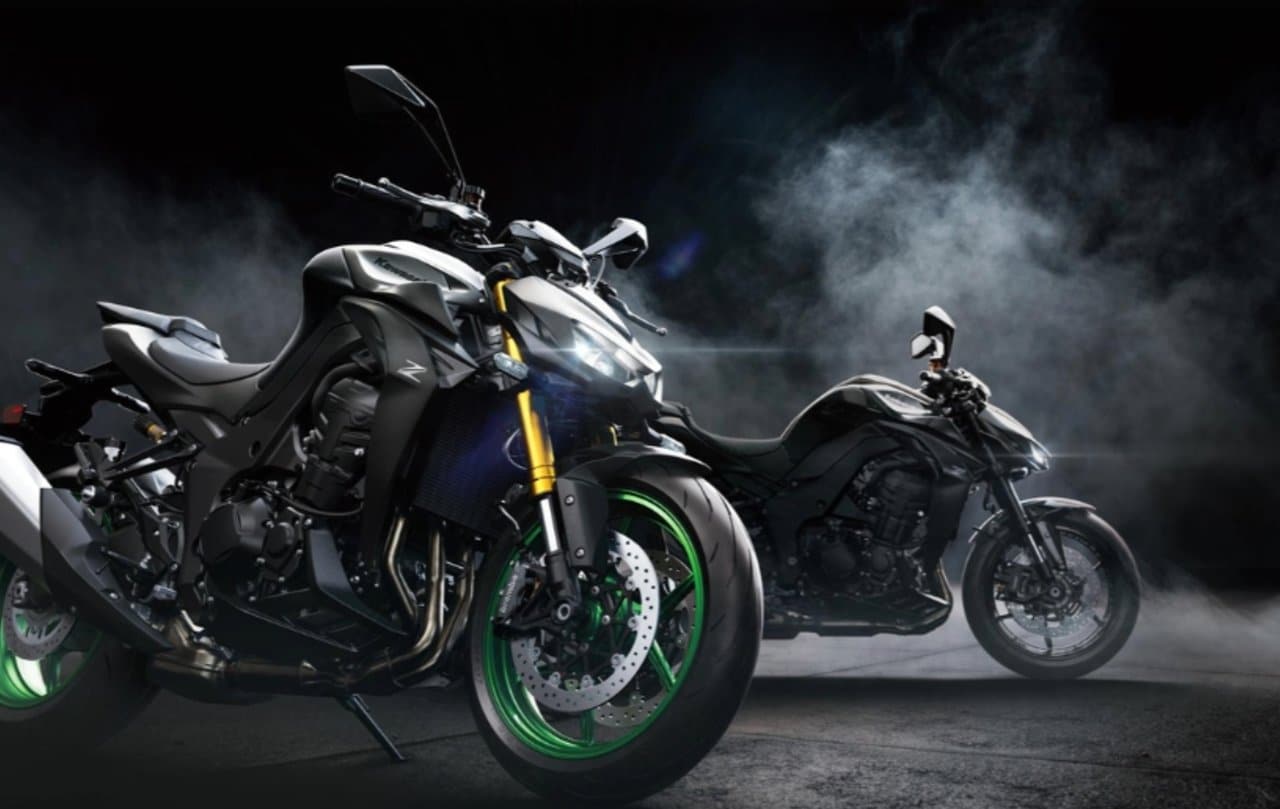
The engineering applied to the development of this model focused on the rider’s experience, prioritizing the delivery of power in useful rpm ranges for everyday life and travel. Além Furthermore, the introduction of designer components in the top-of-the-line version demonstrates the Kawasaki’s intention to offer a product that ranges from urban use to more aggressive riding on winding roads, maintaining the aggressive visual identity characteristic of the Sugomi lineage.
Mechanical evolution and engine performance
The heart of the new Z1100 is an in-line four-cylinder engine that has undergone extensive redesign to achieve a cubic capacity of 1,099 cm³. The main technical change lies in the increase in piston stroke, which increased from 56 mm to 59 mm. Essa modificação física no motor resulta em uma entrega de torque mais vigorosa em baixas e médias rotações, característica essencial para retomadas de velocidade e ultrapassagens seguras sem a necessidade constante de redução de marchas.
In terms of raw numbers, the mechanical package is capable of generating a maximum power of 136 hp, accompanied by a torque of 11.5 kgf.m. To manage this force, the brand’s engineering team revised the valve controls and intake ducts, optimizing gas flow and combustion efficiency. The transmission system also received special attention, with the fifth and sixth gears lengthened. Esse adjustment aims to reduce engine speed at cruising speeds, providing greater acoustic comfort and fuel economy on long road journeys.
Electronic package and driving assistants
The embedded technology represents one of the biggest evolutionary leaps of this launch. Pela For the first time in the brand’s naked line, the ride-by-wire electronic accelerator was implemented, eliminating mechanical cables and allowing a more precise and immediate response to the rider’s commands. Este system works in conjunction with a six-axis Unidade of Medição Inercial (IMU), which constantly monitors the bike’s position in relation to the ground, including tilting, acceleration and braking.
IMU integration enables advanced active safety features to operate:
– Sistema ABS brakes that operate when cornering, preventing wheel locking even when the bike is tilted.
– Controle slope-sensitive traction, which modulates power delivery to prevent skidding when exiting corners.
– Quatro selectable riding modes (Sport, Road, Rain and Rider), which adjust engine and assistance parameters according to the scenario.
– Quick bidirectional shifter, allowing up and down gear changes without using the clutch.
– Piloto electronic automatic, ideal for maintaining constant speeds on highways and reducing driver fatigue.
Differentials of the SE and cycling version
For consumers looking for maximum performance and premium components, the Kawasaki offers the Z1100 SE version. The Esta variant is distinguished by its high-performance braking system, equipped with radial calipers from the Italian brand Brembo and aeroquip hoses, which guarantee greater resistance to thermal fatigue and precision in braking modulation in extreme situations.
The SE version’s suspension system also receives a significant upgrade with the adoption of an Öhlins S46 rear shock absorber. Este component has remote preload adjustment, allowing the rider to adjust the suspension stiffness manually and without tools, quickly adapting the bike to carry a pillion or luggage. At the front, both versions use inverted Showa SFF-BP forks, recognized for their ability to absorb impacts and directional stability.
The main structure of the motorcycle is based on a double beam aluminum chassis, designed to offer high torsional rigidity. The ergonomics were refined with the installation of wider handlebars positioned to slightly advance the rider’s torso, creating an attack posture that favors control in quick maneuvers. The seat and fuel tank were designed to facilitate body movement and knee support, integrating the driver with the machine.
Connectivity and digital interface
The interaction between the rider and the motorcycle is centered on a new 5-inch color TFT panel. The screen offers high resolution and visibility under different lighting conditions, displaying all vital vehicle information, from speedometer and rev counter to gear indicators and average consumption. The system also allows personalized configuration of display modes, prioritizing the data that the driver considers most relevant.
Connectivity is expanded through the Rideology application, which allows the smartphone to be paired with the motorcycle’s dashboard via Bluetooth. Through this integration, it is possible to view call and message notifications directly on the motorcycle’s screen, in addition to accessing detailed records about the routes traveled, including basic telemetry such as inclination angles reached and average speeds. The system also alerts you to the need for preventive maintenance and software updates, keeping the vehicle up to date.
With its arrival confirmed soon, the new Japanese naked is positioned as a robust option for the Brazilian market in 2026. The combination of a larger displacement engine, cutting-edge track-derived electronics and refined chassis places the model as a strong competitor in the premium segment, meeting a growing demand for motorcycles that deliver technology and emotion in equal doses.



