
BYD initiates recall of thousands of hybrid cars in China due to risk of battery fire By Luís Henrique Costa
2 min read
 |
Administração Estatal of Regulação of Mercado of China announced a security operation involving one of the largest vehicle manufacturers in the country. The measure affects a significant number of plug-in hybrid cars that may have faults in the energy management system. The defect, located in the battery controller, has the potential to cause overheating and, in extreme situations, fire, which led to immediate intervention by regulatory authorities and the manufacturer.
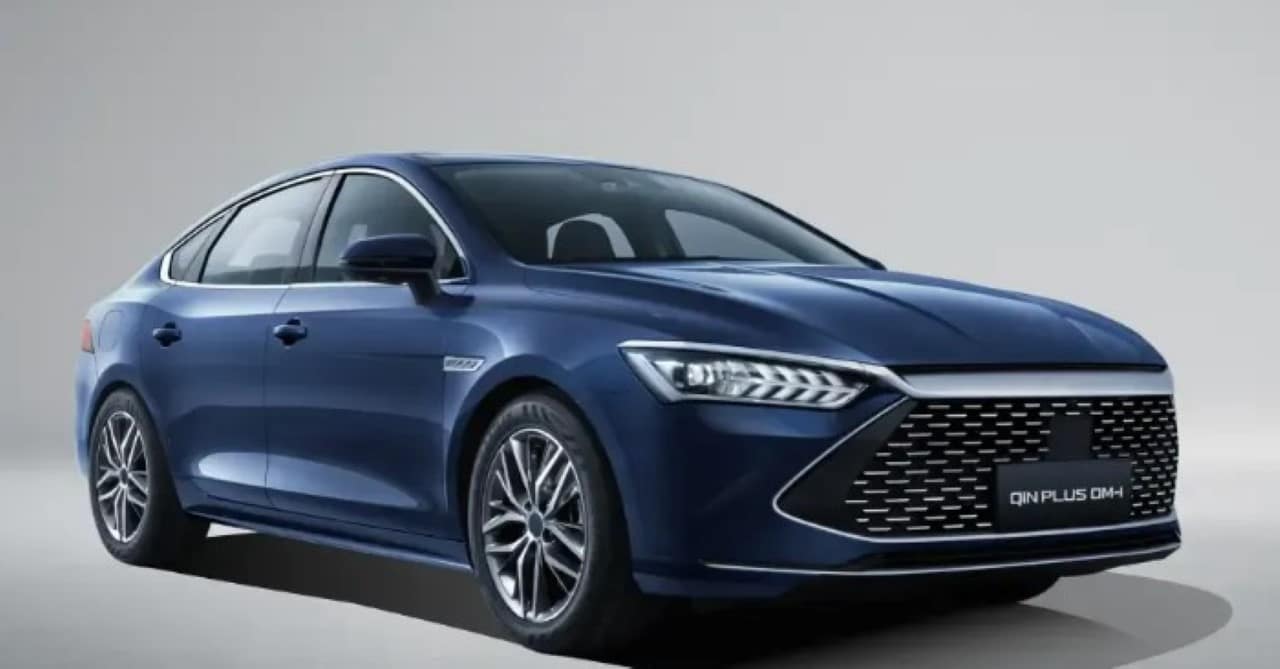
The models involved in the recall include the Qin Plus DM-i sedan and the Destroyer 05, manufactured between the beginning of 2021 and September 2023. The problem was identified after detailed technical analyses, which highlighted irregularities in the production of the capacitors on the controller’s circuit board. Essa manufacturing inconsistency can generate microcracks in components, compromising the vehicle’s electrical stability during daily use.
Correction via remote update and market impact
Unlike traditional recalls that require the physical replacement of parts in workshops, the solution adopted by the manufacturer involves cutting-edge technology. The company will perform an “over-the-air” (OTA) software update, sent directly to connected vehicles. Esse new program will adjust battery monitoring parameters, allowing the system to identify capacitor anomalies and adopt preventive safety measures before any thermal risk materializes.
If the updated system detects critical failures that cannot be mitigated by software alone, owners will be notified to come to a dealership to physically exchange the controller, free of charge. The strategy aims to speed up the repair process and minimize inconvenience for drivers, ensuring that the circulating fleet meets the safety standards required by local legislation.
Despite the technical incident, the brand maintains a dominant position in the global automotive sector. Dados recent sales figures indicate that demand for the company’s vehicles continues to grow, surpassing the mark of 300 thousand units sold in a single month. The recall episode is treated by market analysts as a natural adjustment in large-scale production processes, demonstrating the industry’s ability to respond quickly to quality control challenges.


