


The developer responsible for the expanded universe of League of Legends has confirmed a drastic reduction in the workforce dedicated to its recently released fighting game. Cerca of 80 professionals were dismissed from production, which represents approximately 50% of the original team, in a strategic move carried out less than three weeks after the title’s official arrival on tabletop platforms on January 20th. The decision reflects an immediate change in direction based on early market reception data and user behavior outside of the computer environment.
While the project cultivated a loyal fan base during extensive beta testing phases, new user acquisition and player retention numbers on PlayStation 5 and Xbox Series X|S fell below internal projections set by management. The company chose to resize the operation to ensure the long-term financial sustainability of the project, now focusing on a smaller and more agile group to implement the necessary changes to the gameplay and structure of the service.
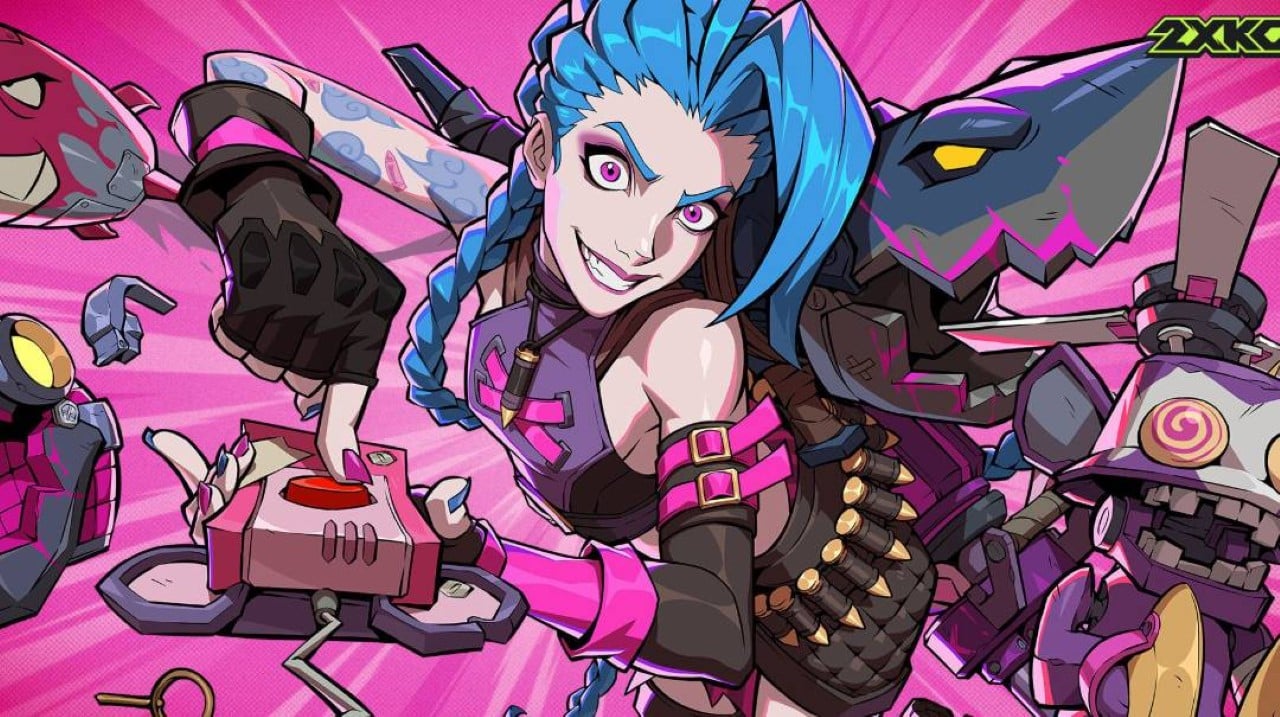
Leadership positioning and new strategy
The game’s executive producer, Tom Cannon, addressed the situation with transparency, stating that the pace of community growth did not justify maintaining the previous team structure. The priority now is to stabilize the game ecosystem and meet the urgent demands of active players, rather than maintaining a workforce scaled to an audience that has yet to materialize on console platforms.
The restructuring places the project in a new phase, where efficiency in development will be crucial. With fewer human resources, Riot’s ability to respond to meta trends and balancing needs will be tested, determining whether the free model can adapt and grow organically throughout FY26.
Details about the compensation package
The company has assured that all employees affected by the cut will receive robust financial support during this transition period. The severance package includes a minimum of six months of base salary, in addition to paid notice, offering a safety net higher than the average practiced in the technology and game development market.
In addition to financial compensation, Riot Games will begin an internal talent reallocation process. The human resources department was instructed to prioritize the transfer of these professionals to other teams and projects within the company, whenever there is compatibility of functions and open positions, before formalizing definitive departures.
Calendar maintenance and competitive scenario
Despite the significant reduction in staff, the developer guaranteed that the release calendar planned for 2026 will not change. The commitments made with tournament organizers and event partners remain valid, ensuring the continuity of the professional scene that began to form around the title.
The content update roadmap will also be maintained, although adapted to the development team’s new reality. The first season, which brought new items and a battle pass system, remains active, and the remaining team will focus on improving the combat experience and resolving technical issues highlighted by the community in the first few weeks post-launch.
Combat mechanics and character adaptation
The title stands out in the saturated fighting game market for its double combat system, which allows dynamic exchanges and tactical assistance during matches. The mechanics were designed to be accessible to newcomers, but with enough depth to satisfy genre veterans, using a free combo system for space control and advanced defensive options.
The current cast adapts iconic champions from Runeterra into 2D format with fidelity to their origins. Personagens like Ahri use orbs for movement and control, while Darius focuses on physical pressure and grabs. The list also includes Ekko’s temporal abilities, Braum’s impenetrable defense, Yasuo’s wind techniques, and the continuous damage of other popular heroes from the franchise.
Challenges of transitioning to consoles
The launch of 2XKO occurred in a critical window for the genre, which directly impacted the difficulty in capturing a larger share of the casual audience on consoles. The transition from PC to desktop platforms is seen as a major growth driver, but competition and the learning curve may have limited the initial buy-in expected by executives.
Management is now looking to understand the specific barriers to entry for console gamers. The long-term strategy will depend on how the small team can iterate on player feedback and implement quality of life improvements that make the game more appealing to those unfamiliar with the League of Legends universe.



