Next generation iPhone should unify screen and camera technologies between basic and advanced models
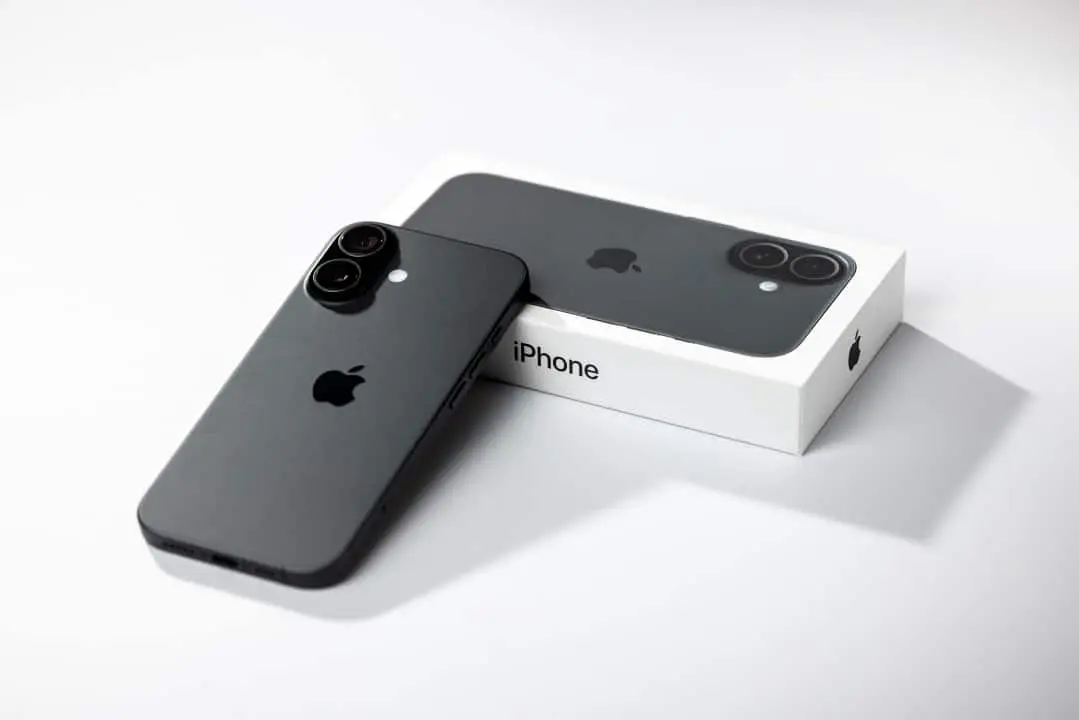
Apple appears to be designing a new strategy for its line of smartphones, with the aim of reducing the technological gap that historically separates entry-level models from the more expensive versions, known as Pro. Relatórios recent reports from the supply chain indicate that the Cupertino company intends to significantly raise the standard of base devices in the next family of cell phones, integrating features that were previously exclusive to premium devices. Essa movement suggests a direct response to consumer demands for more added value, especially in an economic scenario where durability and long-term performance are decisive factors when purchasing.
The information points to a complete restructuring of the internal design and technical specifications of the standard models, aiming to make them more attractive options for the general public who do not need professional photography tools, but who do not compromise on fluidity and image quality. The expectation is that this paradigm shift will force the entire smartphone market to raise the bar on minimum specifications for high-end devices, consolidating advanced technologies as the new industry standard.
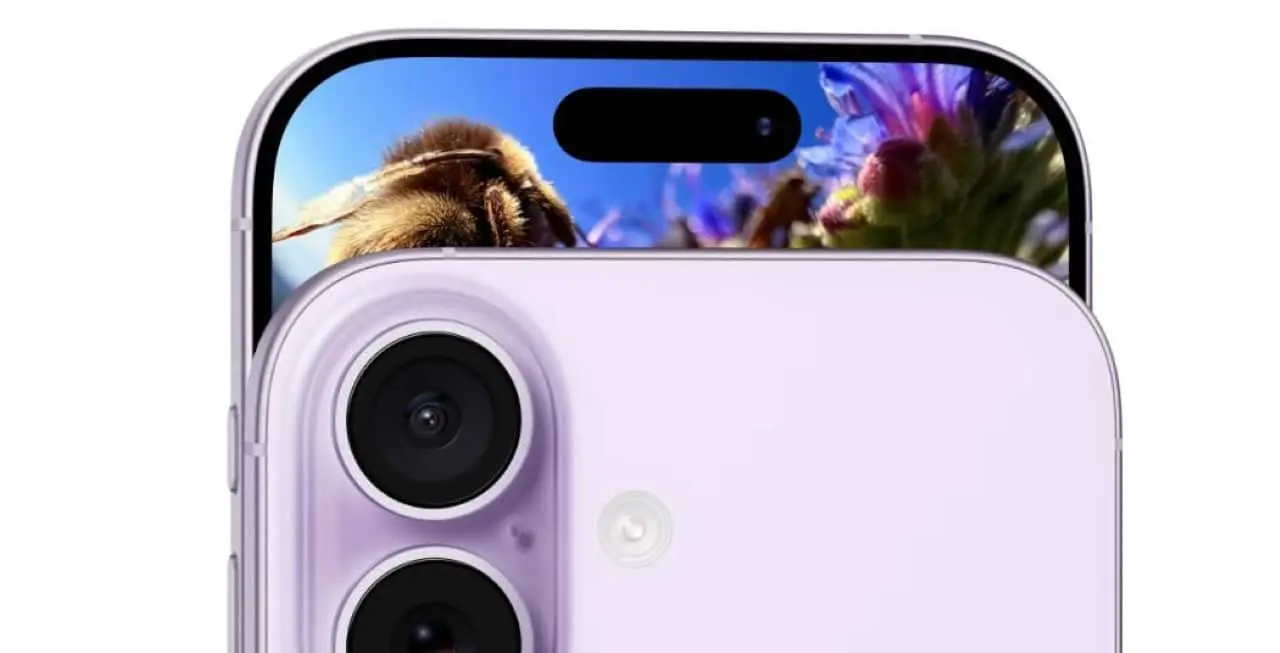
This strategy of unifying fundamental resources does not mean the end of differentiation between lines, but rather a repositioning of what is considered essential for a satisfactory user experience in 2026. By democratizing access to high-frequency screens and high-resolution photo sensors, the technology giant seeks to maintain the loyalty of its user base and attract those who migrated to the Android ecosystem in search of better value for money.
On the same topic: Apple’s commemorative project tests cell phone with 1.1 millimeter edge and curved screen for 2027
Visual evolution with ProMotion technology
One of the most anticipated and impactful changes for the new generation is the implementation of ProMotion technology in the basic iPhone 17 models. With the change, the screen will be able to update its content up to 120 times per second, providing much more fluid animations, smooth text scrolling and an almost instantaneous tactile response, characteristics that transform the device’s perception of speed.

In addition to visual fluidity, the LTPO (Low-Temperature Polycrystalline Oxide) technology required for ProMotion allows the screen to reduce its refresh rate to as low as 1Hz when still images are being displayed. Isso results in superior energy efficiency, allowing the battery to be preserved even with increased visual performance. For the average user, this translates into a device that not only feels faster, but also manages power consumption more intelligently throughout the day.
The introduction of this technology in the standard model eliminates one of the main criticisms made of the brand’s previous launches. In a market where mid-range competitors already offer high-frequency displays, the Apple finally aligns its entry-level product with contemporary hardware expectations, ensuring that the experience of navigating the interface, playing games or watching videos is consistent across its entire product line.
Quality leap in computational photography
In the camera department, the update promises to be equally significant, abandoning the 12 megapixel sensors that have equipped basic models for years in favor of a new 48 megapixel main system. Essa hardware change is not just about bigger numbers, but enables new computational photography capabilities that rely on capturing more light and color data. With a high-resolution sensor, the device can perform pixel binning to drastically improve performance in low-light environments.
More on this story: New Apple system update optimizes urgent task management for iPhone users
The high pixel count also allows the iPhone 17 to offer superior digital zoom, cropping the central image without the significant loss of detail that occurs with smaller sensors. Isso offers users greater versatility in everyday life, allowing them to capture portraits and landscapes with professional sharpness without the need for a dedicated telephoto lens, which should remain an exclusive feature of the more expensive versions.
See Also


This evolution in the optical set is essential to support new content demands, such as videos in 4K resolution and image formats that allow for more flexible subsequent editing. By equipping the base model with a robust sensor, the manufacturer ensures that even the most affordable iPhone of the new crop is a powerful tool for creating high-fidelity social media content and family records.
Advanced processing and storage
To support the new screen and camera demands, it is speculated that the iPhone 17 will come equipped with the A19 chip, skipping a generation compared to the processors used in previous non-Pro models. Este new silicon would be designed to handle the artificial intelligence and real-time image processing tasks that the new 48MP sensor and 120Hz display require. The chip architecture must focus not just on brute force, but on thermal and energy efficiency, ensuring the device maintains its peak performance without overheating.
Learn more: Apple completes assembly of the unprecedented foldable iPhone and prepares ultra-thin appearance for 2027
Following the advancement in processing, there are strong indications that the base storage will be doubled, starting at 256GB. With the increasing size of photo and video files generated by new cameras, in addition to the growing weight of applications and system updates, offering 128GB became insufficient for the device’s longevity. Essa upgrade in memory capacity reflects recognition that the smartphone has become the primary digital hub for most people.
The advanced processor suite and greater storage positions the iPhone 17 as a future-proof device, capable of receiving software updates for many years without suffering from slowdowns or lack of space. Para the consumer, this represents a safer investment, where planned obsolescence appears to be mitigated by more robust initial specifications.
Learn more: Jump in the price of the future iPhone 18 Pro could redefine the market in 2026
Market context and competition
The decision to boost the standard model comes at a time when competition with the Android ecosystem is fiercer than ever. Fabricantes rivals have aggressively packed premium features into mid-range price points, putting pressure on Apple to justify the value of its entry-level devices. By bringing ProMotion and high-resolution cameras to the base model, the company neutralizes competitors’ main technical arguments and reinforces the value of its brand.
Still, differentiation for the Pro models will continue to exist through more noble construction materials, such as titanium, triple camera systems with advanced optical zoom and exclusive software features aimed at video professionals. However, for the vast majority of users, the standard iPhone 17 promises to deliver a complete experience, eliminating the feeling of buying a “slick” product just to save money, and establishing a new level of quality for what is expected from a premium entry-level smartphone.