

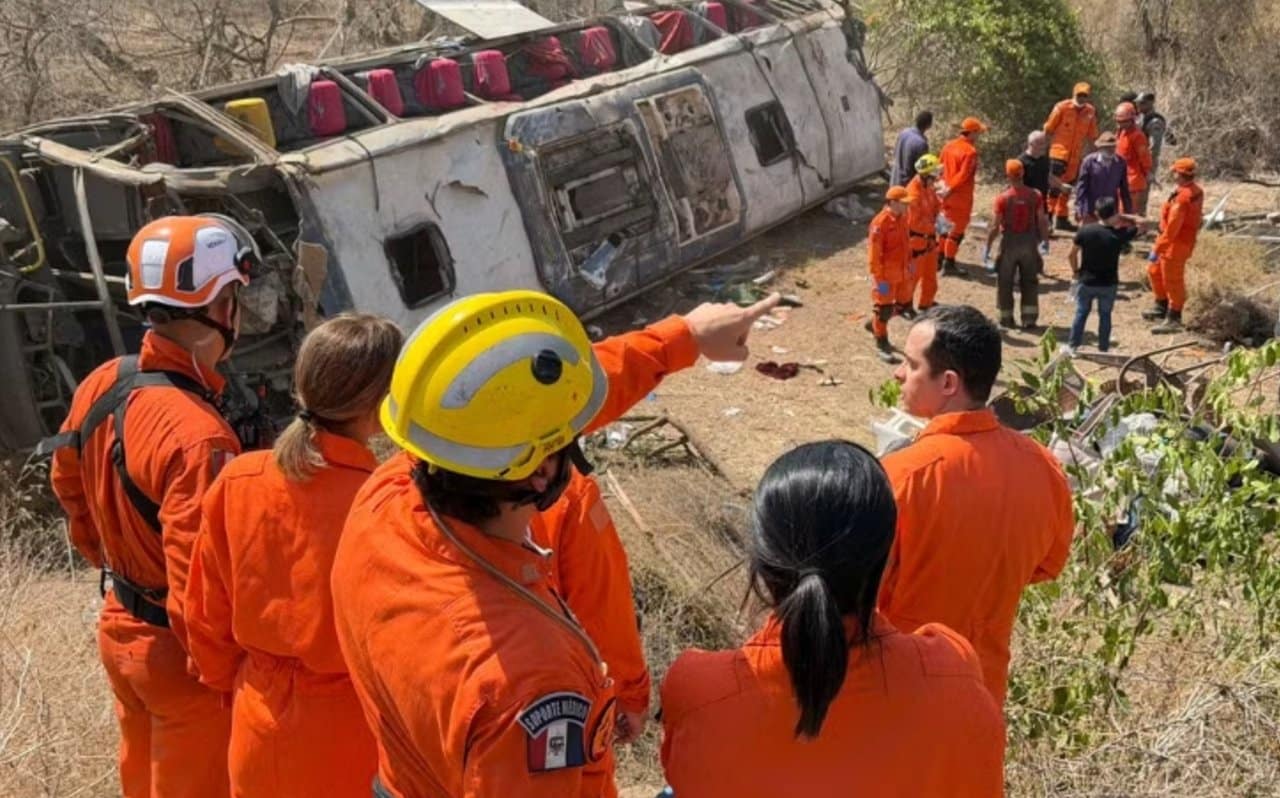
A serious traffic accident recorded on the morning of February 3, 2026 resulted in the death of 16 people in the municipality of São José of Tapera, located in Sertão of Alagoas. The vehicle, which was carrying around 60 passengers, lost stability on a winding stretch of highway and overturned several times, scattering debris across the road. The victims were returning from a religious trip to the state of Ceará when the accident occurred.
Emergency teams were promptly called to respond to the incident, which involved multiple security and health agencies. The scenario required a complex operation to triage and remove the injured, mobilizing ground and air resources to ensure rapid aid to survivors.
Dynamics of occurrence
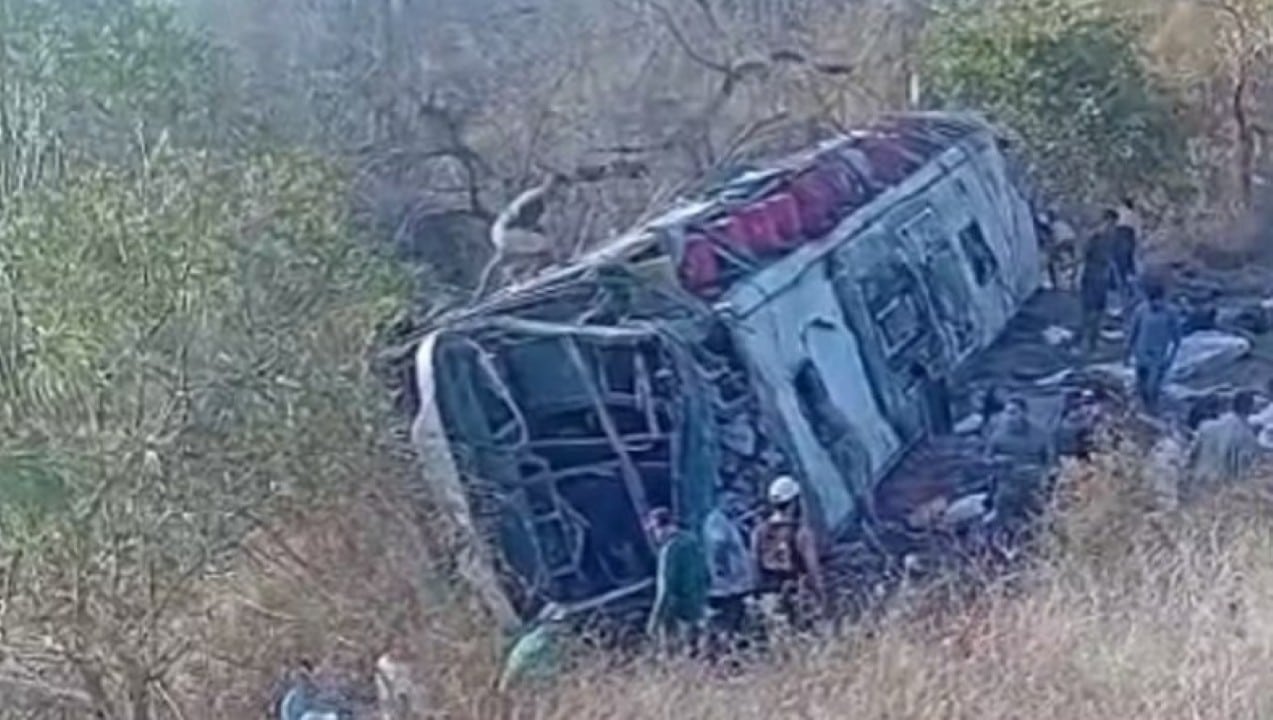
The crash occurred around 6am, when the driver was unable to keep the vehicle on the road while making a sharp curve on AL-220. Relatos Preliminaries from traffic authorities indicate that the bus left the asphalt and rolled sideways, causing a fatal impact for many occupants.
The force of the accident threw passengers and caused severe structural damage to the collective. Batalhão of Polícia Rodoviária (BPRv) isolated the area to allow experts to work and prevent further incidents in the section, known for its challenging geography.
Public security helicopters from Alagoas were essential in transporting victims in critical condition to reference hospitals in Maceió and Arapiraca. Coordination between Samu and Corpo of Bombeiros allowed the removal of people who were trapped in the wreckage.
Origin and profile of victims
The group of travelers lived mainly in the municipality of Coité do Noia, in Agreste Alagoas, and participated in a traditional caravan. Entre of the 16 confirmed deaths, authorities identified five men, seven women and four children, 15 of whom died at the scene of the accident.
One of the children, just four years old, was rescued alive, but succumbed to his injuries after being admitted to the hospital. Official mourning was declared by state authorities in solidarity with the families affected by the sudden loss of their loved ones.
Transport irregularities
Initial investigations showed that the vehicle was operating without the appropriate licenses to carry out interstate passenger transport. Agência Nacional of Transportes Terrestres (ANTT) confirmed that the bus made the trip clandestinely, without authorization for tourist chartering.
Polícia Civil launched an investigation to determine the criminal and technical responsibilities for the accident. Equipamentos and the tachograph were collected for expert analysis, aiming to determine the exact speed at the time of the curve and the driver’s behavior during the journey.
Context of the pilgrimage
Passengers were returning from Juazeiro to Norte, where they participated in the festivities celebrating Romaria to Nossa Senhora to Candeias. The event, which attracts thousands of faithful from the Northeast every year, ended the day before the accident, marking the return of the trains to their states of origin.
The return trip covered approximately 563 kilometers, an exhausting journey that requires regular stops and adequate rest for drivers. A tragédia interrompeu o retorno de famílias inteiras que mantinham a tradição de visitar o santuário cearense.
Prevention on long trips
Road safety experts warn of the increased risks of long-distance trips carried out by chartered transport. Preventative inspection and rigorous maintenance of vehicles are identified as determining factors for avoiding accidents on highways.
To ensure safety when traveling interstate, transit agencies recommend checking essential items before hiring the service:
- Checking the company’s registration with ANTT and state agencies.
- Checking the visible conditions of tires and signaling systems.
- Confirmation of the existence of reserve drivers for relays.
- Mandatory use of seat belts by all passengers throughout the journey.
The AL-220, the scene of the accident, is constantly monitored, but the prudence of drivers remains the main barrier against fatalities.



