End of exclusivity: Square Enix plans simultaneous release of the final chapter of Final Fantasy VII
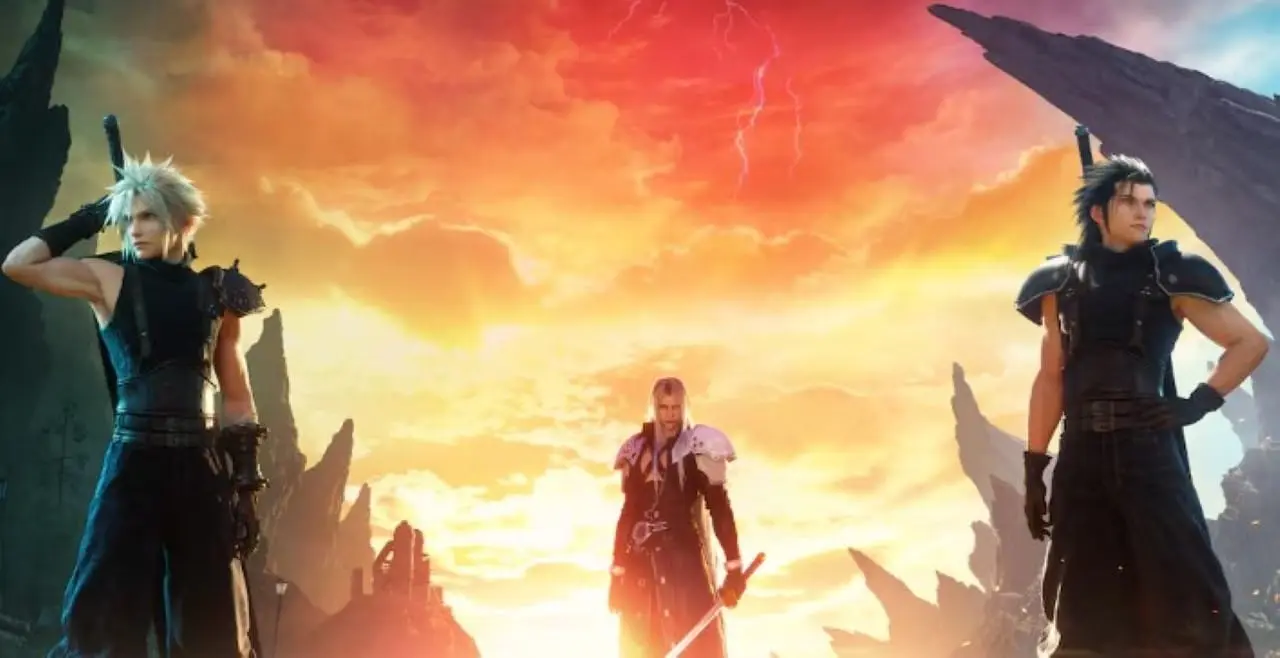
The video game industry is awaiting a significant change in distribution guidelines for major RPG titles for the upcoming season. Recent Informações indicate that Square Enix, the developer responsible for the acclaimed franchise, should abandon the temporary exclusivity model with Sony to conclude the remake trilogy. O movimento estratégico sugere que o capítulo final poderá chegar às lojas simultaneamente para PlayStation, Xbox e computadores, rompendo com a tradição estabelecida nos dois primeiros títulos da série refeita.
This planning review reflects a new commercial stance by the Japanese company, which seeks to maximize the financial return on its overproductions. The predecessors, Remake and Rebirth, were initially restricted to Sony consoles, which limited the sales reach during the launch period. The decision aligns with the need to cover the rising development costs of high-budget games, ensuring the title reaches its maximum revenue potential without platform barriers.
Paradigm shift in distribution
The trilogy’s launch history highlights the evolution of this partnership and its eventual erosion in the face of new market realities. The first game arrived on PlayStation 4 in 2020 and remained exclusive for a long period before receiving an improved version for the new generation and computers. Já the second chapter, released in February 2024, was restricted to the PlayStation 5 console, limiting access to a specific segment of consumers who had already migrated to the new hardware.
More on this story: Square Enix sets simultaneous release of Final Fantasy VII Remake Part 3 on all modern platforms
Exclusivity, although it guarantees financial and marketing support from the console manufacturer, proved to be a long-term sales limiter. Dados from the industry point out that the staggered release, where other platforms receive the game months or years later, dilutes the impact of the initial “hype”. Para the third part, the intention is to take advantage of the moment of greater public interest to convert sales across all available ecosystems, including the growing PC market and Microsoft’s installed base of consoles.
Market analysts note that the multiplatform strategy is a direct response to the fiscal challenges faced by large publishers. Square Enix, in particular, has been reviewing its portfolio and business approaches to ensure sustainability. Lançar the outcome of one of the most iconic stories in video games on just one console, in the current context, would leave a significant portion of revenue out of the equation, something the company seems no longer willing to do.
Learn more: Square Enix ends exclusivity and launches final chapter of Final Fantasy VII for multiple consoles
Accelerated development and technology
The production of the third chapter continues at an accelerated pace, directly benefiting from the work carried out in Final Fantasy VII Rebirth. The development team confirmed that the basic structure of the world and combat systems are consolidated, allowing full focus on the narrative, the creation of new scenarios and the polishing of the final experience. Continuous use of the Unreal Engine facilitates this transition, ensuring visual fidelity and optimization of creative processes.
See Also



Another fundamental point for agility in development is maintaining the team’s core. Fatores that contribute to this efficiency include:
– Direção continuous creative under the leadership of Tetsuya Nomura and production by Yoshinori Kitase.
– Familiaridade of the team with new generation tools, allowing more fluid adaptation to multiple platforms.
– Redução of technical risks associated with the simultaneous launch on hardware of different architectures.
– Aproveitamento of assets and mechanics already tested and approved by the community.
On the same topic: Square Enix should end exclusivity and release the final part of Final Fantasy VII on all platforms
The end of the saga promises to wrap up the loose ends left by the previous games, bringing definitive answers about the fate of Cloud Strife and his allies. The narrative, which at key moments diverges from the original 1997 game, creates an atmosphere of mystery that attracts both veterans and new players. The possibility of experiencing this outcome without the need to purchase a specific console represents a powerful attraction for the gaming community.
Financial weight of exclusivity
The decision to end exclusivity also involves analyzing the commercial performance of Rebirth. Embora critically acclaimed, the game faced the challenge of being restricted to a single platform at a time where the cost of living and the price of hardware limit consumers’ purchasing power. Expandir the launch for the Xbox ecosystem and for the PC, via Steam or Epic Games Store, democratizes access and increases the return on the massive investment made in production.
This approach not only benefits the developer’s financial health, but also strengthens the Final Fantasy brand as a global, accessible franchise. By removing barriers to entry, the company invites a broader audience to participate in the cultural event that will launch the final chapter, generating conversation and engagement on all fronts of the gaming community, regardless of where they choose to play.