


The tech giant has implemented a significant update to its in-car entertainment systems, aiming to drastically reduce driver distraction on the roads. The new technical guideline establishes an automatic blocking of dynamic visual content on the vehicle dashboard as soon as movement is detected. The central objective is to prevent videos, series or music clips from distracting the attention of those behind the wheel, only keeping the audio active while the car is moving.
This measure comes as a direct response to growing concerns about traffic safety and the excessive use of screens inside modern passenger compartments. Integration between the company’s software and the vehicles’ hardware has been deepened to ensure the system does not rely solely on a GPS signal, which can be inaccurate in tunnels or dense urban areas. Agora, motion verification crosses data from multiple sensors for an immediate and foolproof response.
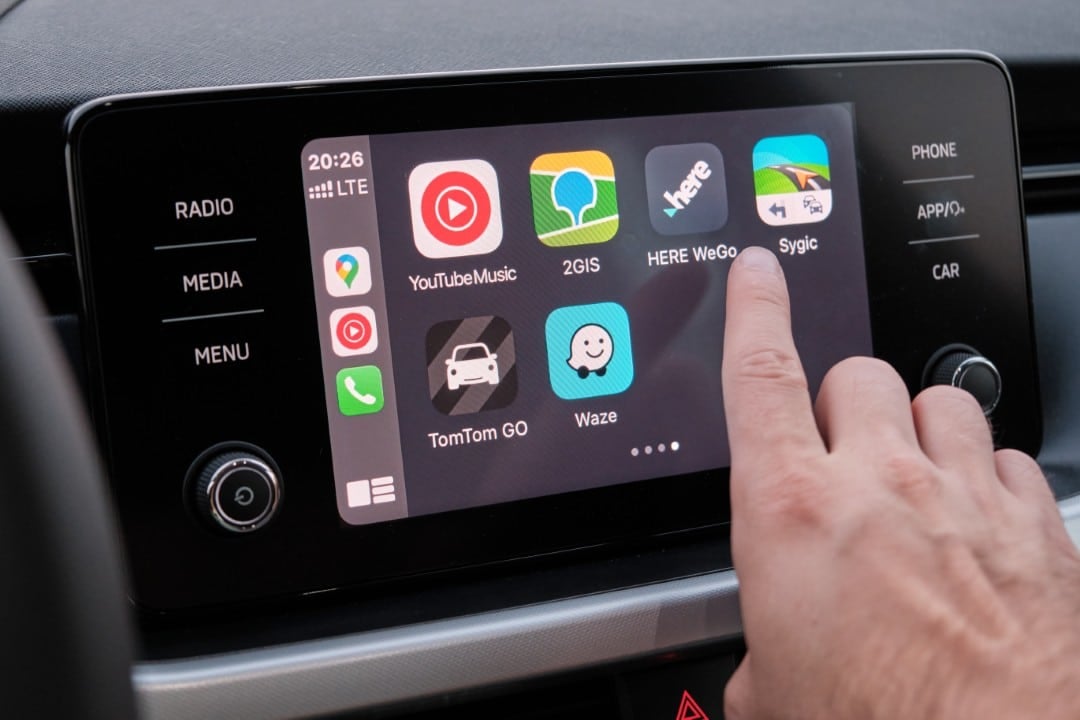
The feature’s operation is based on constant communication between the operating system and the car’s telemetry. Upon identifying that the wheels are spinning or that the transmission has moved out of park, the graphical interface imposes a digital curtain over any media player. The driver continues listening to the content, but the screen now displays only static controls or navigation maps, eliminating visual stimulation that could cause accidents.
Road safety experts point out that the initiative sets a new standard for the industry, anticipating regulations that are expected to become mandatory in several countries by the end of 2026. The company’s proactive approach seeks to align the user experience with the best defensive driving practices, prioritizing the physical integrity of occupants and third parties on public roads to the detriment of unrestricted media consumption.
Advanced integration with vehicle sensors
For the lock to be effective and foolproof, the update requires complex reading of the car’s data in real time. The system is not only based on the speed indicated by the GPS, but directly accesses information from the speedometer and wheel rotation sensors through the vehicle’s electronic control unit. Essa redundancy is crucial to prevent the video from being unduly released in slow traffic jams or momentary stops at traffic lights, where the driver’s attention is still required.
The technology differentiates safe complete stop situations, such as when the handbrake is on or the gearbox is in parking mode, from heavy traffic situations. Apenas when the vehicle is safely immobilized, video playback is enabled on the dashboard’s main screen. Essa technical distinction prevents drivers from trying to watch content while traveling to and from large urban centers.
In addition to speed and transmission, the system monitors the driver’s interaction with other controls. If there is any indication of imminent movement, the screen preemptively darkens the video. The engineering behind this decision focuses on eliminating human reaction time, automating safety so that there are no loopholes that allow moving images to be viewed while driving.
Impact on application development
The change in security rules directly impacts developers of streaming and entertainment applications who want to be present in the automotive ecosystem. Novas programming interfaces have become available, requiring software creators to strictly classify the type of content their applications display. It is mandatory for developers to implement the new guidelines that separate audio content from visual content in the code structure.
Applications that do not comply with the new content classification standards will be severely restricted or completely blocked while driving. The car’s operating system will now require a digital security tag on each media stream. If the app attempts to send a video signal without properly certifying that the car is stopped, the system will intercept the signal and force a neutral screen or album art to be displayed, allowing only sound to pass through.
This requirement creates a filter of shared responsibility between the operating system manufacturer and content providers. The intention is to create an environment where security is not a user-configurable option, but a basic premise for how the software works. Grandes Video platforms have already started updating their codes to ensure that the transition between video mode (still) and audio mode (moving) occurs smoothly and without abrupt interruptions in the sound.
Alignment with international safety standards
The decision to restrict motion video is not isolated, but reflects an alignment with global automotive safety guidelines, such as those established by NHTSA in Estados Unidos and by Euro NCAP in Europa. Essas organizations have been pressuring automakers and technology companies to combat cognitive and visual distraction, considered one of the main causes of fatalities in modern traffic. Updating the system anticipates requirements that would be inevitable, placing technology as an ally of regulation.
The focus on reducing visual distractions is supported by studies that show that looking away from the road for just two seconds exponentially increases the risk of a collision. By removing visual temptation from the dashboard, the technology helps the driver stay focused on the road, reducing the cognitive load needed to process information that is irrelevant to driving. The measure is seen as an essential step in the transition to more connected vehicles, where excess information can become a real danger if not managed rigorously.



