


The Cupertino-based technology giant has implemented rigorous changes to its vehicle-facing operating systems, aimed at mitigating the risks associated with distracted driving. The new software update introduces an automatic blocking mechanism for playing dynamic visual content, such as videos and clips, whenever the car is on the move. The measure aims to ensure that the driver’s attention remains exclusively on the road, only allowing audio to play while the car is moving.
This change reflects growing industry concern about the excessive use of screens in modern cabins, which can divert focus at critical moments during driving. The functionality was designed to operate autonomously and immediately, stopping the display of images as soon as the vehicle’s sensors detect movement. The system keeps sound reproduction active, ensuring that entertainment or auditory information continues without interruption, but replaces the video with a static interface or navigation maps.
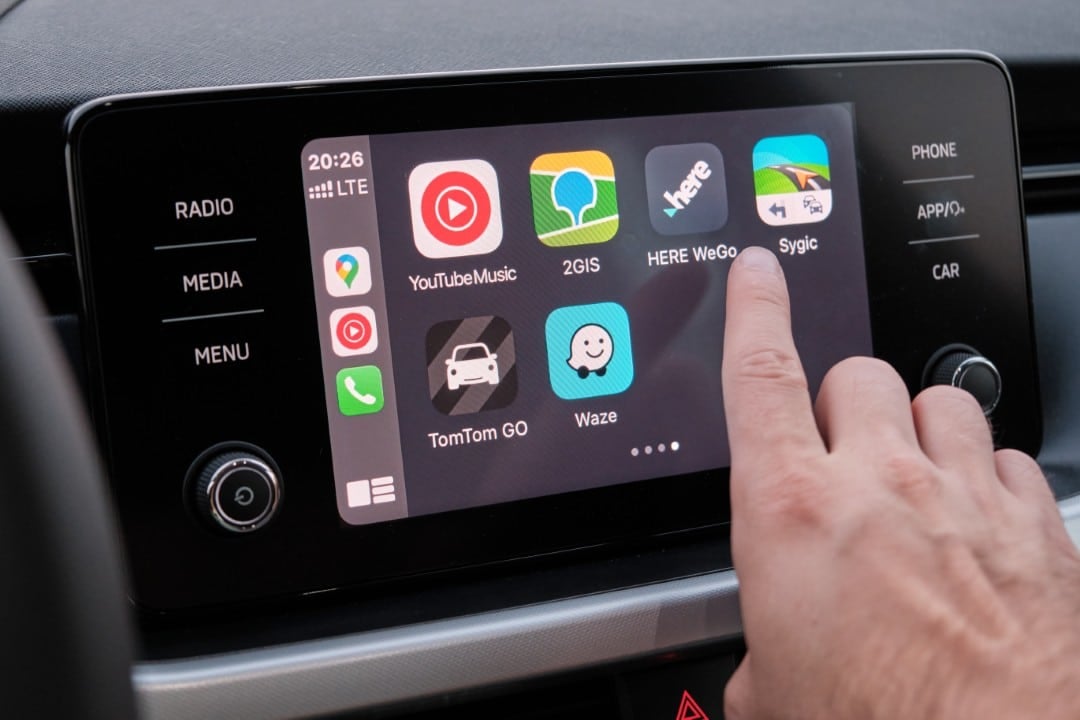
The engineering behind this update involves deep integration between the company’s software and compatible car hardware. Diferente From previous versions that could rely solely on the GPS signal to determine speed, the new protocol accesses direct data from the vehicle’s telemetry. Isso eliminates possible interpretation errors in places with weak satellite signal, such as tunnels or large urban centers with tall buildings, ensuring an accurate and fraud-proof response.
Advanced monitoring via sensors and telemetry
To ensure the effectiveness of video blocking, the system performs a complex, real-time reading of multiple vehicle indicators. The technology is not limited to checking whether the speed is greater than zero; it crosses information from the speedometer, wheel rotation sensors and gear position. Essa data redundancy is essential to distinguish situations of slow traffic or momentary stops at traffic lights, where displaying videos would still pose a safety risk, from safe parking situations.
Image unlocking only occurs when the system confirms that the vehicle is in a safe and complete stopping condition. Geralmente, this requires the parking brake to be engaged or the transmission to be in park. The software logic was programmed to eliminate latency in decision making, pre-emptively dimming the screen at the slightest sign that the car will start moving, preventing the driver from trying to watch content while moving in and out of traffic jams.
In addition to mechanical data, the interface monitors user interaction with panel commands. If there are signs that the driver is trying to circumvent restrictions or if the attention required for driving is compromised, the system prioritizes the display of safety alerts or returns to the navigation screen. Essa proactive approach seeks to eliminate human reaction time from the equation by automating protection against visual distractions.
Strict Guidelines for App Developers
The implementation of these new security rules directly affects the ecosystem of streaming and entertainment applications available for the automotive platform. The company has made available new programming interfaces that require strict classification of the type of content transmitted. Desenvolvedores are now required to structure their codes in a way that clearly separates the audio tracks from the visual components, allowing the operating system to manage each stream independently depending on the state of the vehicle.
Apps that do not adhere to the new rating standards will face severe operating restrictions or complete blocking while driving. The system now requires a digital security label for each media transmission. Caso an application tries to send a video signal without certifying that the car is properly parked, the software intercepts the communication and forces the display of a neutral screen, such as the album cover or the service logo, keeping only the sound.
This requirement establishes a filter of shared responsibility between the creator of the operating system and digital content providers. The objective is to create an environment where security is not an optional configuration for the user, but a basic and unchangeable premise of the software’s operation. Grandes plataformas de vídeo já iniciaram a adaptação de suas arquiteturas para garantir que a transição entre os modos de vídeo e áudio ocorra de maneira fluida, sem cortes abruptos que possam irritar o usuário ou gerar distrações adicionais.
Convergence with international security standards
The decision to severely restrict in-motion video brings consumer technology in line with the latest global automotive safety guidelines. Organizações like the NHTSA in the Estados Unidos and the Euro NCAP in the The update anticipates regulations that tend to become mandatory in several markets by the end of 2026.
Road safety studies indicate that looking away from the road for just two seconds exponentially increases the risk of a collision. By removing visual temptation from the center console, the technology helps the driver stay focused on the road and reduces the cognitive load needed to process information that is not relevant to driving. The measure is considered an essential step in the evolution of connected cars, ensuring that excess digital resources do not compromise the physical integrity of occupants and third parties.



