


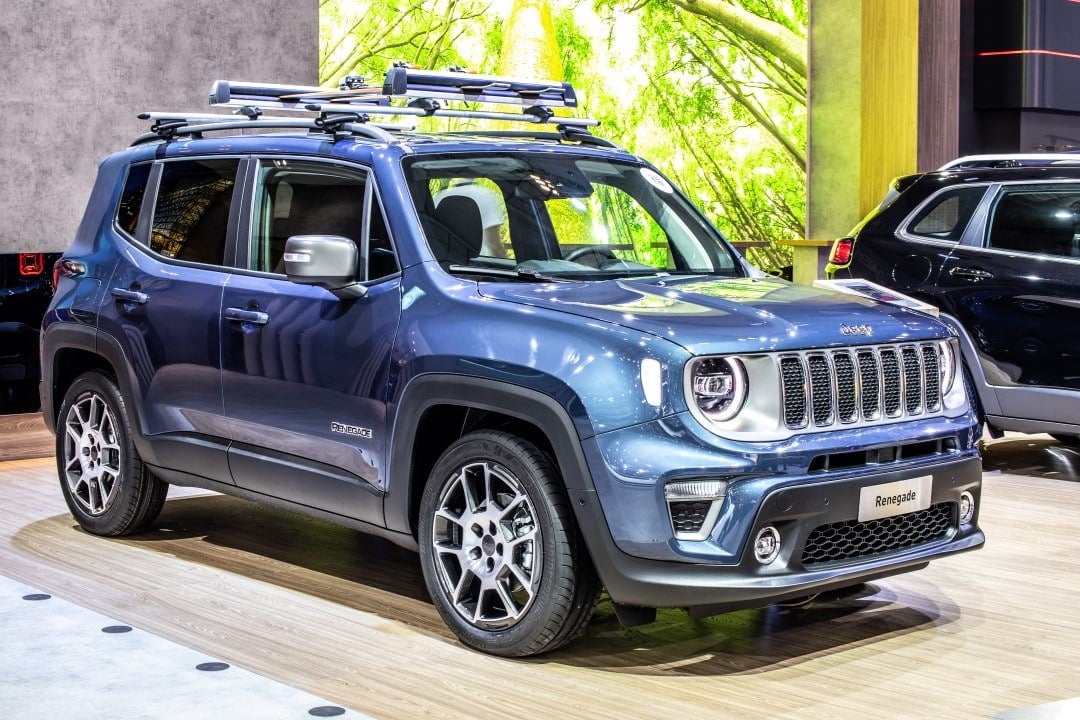
The Stellantis defines the latest adjustments for the launch of the 2027 Jeep Renegade line, scheduled to take place in April, with the main highlight being the implementation of a 48-volt mild hybrid system. The compact SUV, produced in Polo Automotivo of Goiana, in
In addition to the new electrified engine, the vehicle will receive specific aesthetic updates to maintain competitiveness in the segment. The visual changes are concentrated at the front and rear, with the aim of refreshing the model’s identity without detracting from its iconic design. The automaker’s strategy reinforces the importance of the Renegade in the national portfolio, where the model has accumulated significant sales volumes since its debut.
The hybrid propulsion system, named by Stellantis as Bio-Hybrid, promises to optimize fuel consumption by up to 10% in urban and highway cycles. Essa technology works together with the six-speed automatic transmission, providing more fluid driving and agile responses at low speeds, characteristics valued in daily use in large urban centers.
Details of the Bio-Hybrid system and mechanics
The mechanical architecture of the 2027 line introduces an auxiliary electric motor with approximately 28 horsepower and 5.6 kgfm of torque, integrated into the transmission system. Este component replaces the conventional alternator and works through a belt-driven generator, allowing the vehicle to operate with greater energy efficiency without the need for external recharging at sockets (plug-in).
The system’s operation is based on the recovery of kinetic energy during braking and deceleration, storing electricity in a compact 48V battery. Essa energy is subsequently used to:
– Auxiliar the combustion engine when starting and regaining speed;
– Manter the electrical systems and air conditioning working when the thermal engine is turned off by the Start-Stop system;
– Suavizar the transition between stopping and restarting the engine during traffic stops.
Despite the introduction of mild hybrid technology, the 1.3 turbo flex engine continues to deliver 176 horsepower when fueled with ethanol and 27.5 kgfm of torque. The brand’s engineering team chose to maintain the six-speed automatic transmission in the hybrid versions, preserving the robustness and reliability of the mechanical set, although fuel economy is slightly lower than that of systems that use double clutches.
Design and interior updates
Externally, the Jeep Renegade 2027 features a redesigned front grille, which modernizes the brand’s traditional seven-slot signature. The front and rear bumpers gained new lines, giving the SUV a more robust and contemporary appearance. The optical assembly has also been revised, with headlights receiving subtle adjustments and rear lights displaying a new LED graphic signature.
Inside, the main novelty is the adoption of elements inspired by the Jeep Compass, increasing the perception of quality and ergonomics. The highlight is the new 10.1-inch floating multimedia center. The equipment offers:
– Interface more intuitive and faster;
– Projeção of wireless smartphones with greater stability;
– Funções expanded connectivity and vehicle control.
The instrument panel and physical controls were repositioned to improve usability, responding to consumer demand for greater technological sophistication in the cabin. The internal space and trunk capacity remain unchanged, maintaining the model’s already known dimensional characteristics.
Range structure and versions
The version offering for the 2027 line was restructured to meet different consumer profiles. The 48V hybrid system will be present in the intermediate and top configurations aimed at urban and road use. The Altitude, Longitude and Sahara versions will leave the factory equipped with Bio-Hybrid technology.
On the other hand, the entry-level version Sport will continue to be offered exclusively with the conventional 1.3 turbo flex engine, without electrification, remaining the most affordable option in the range. Já the top-of-the-line version
Strategic positioning and market
The launch of the Renegade 2027 comes at a crucial time for Stellantis, as it seeks to expand its portfolio of low-emission vehicles in the Brasil. The model will serve as a technological bridge, positioning itself between the future Jeep Avenger, expected for the first half of the year, and the Jeep Compass, consolidating the brand’s presence in different price ranges.
Production in Goiana has already started to guarantee stock in the dealership network from April onwards. The model maintains a consistent sales average, with around 4,000 monthly registrations registered at the beginning of 2025, reaffirming its leadership position among compact SUVs.
With more than 700 thousand units produced in the country since 2015, the Renegade is a fundamental pillar for the operation of the Jeep in the América of the Sul. The mid-life update aims to extend the product’s commercial cycle and keep it attractive against renewed competition, while the brand sets the stage for future generations and new, more advanced electrification technologies.



