

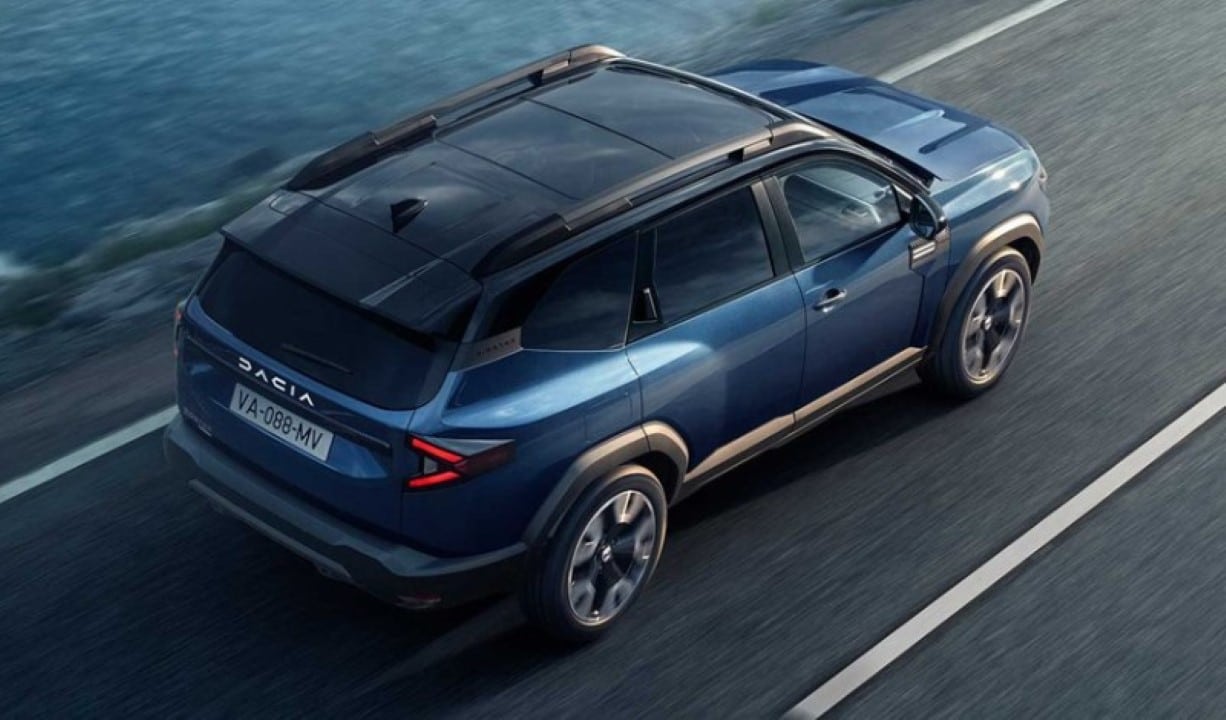
The automotive manufacturer recently introduced a new mechanical architecture aimed at redefining energy efficiency and off-road capability in the SUV segment. The unprecedented system, commercially named Hybrid 150 4×4, was developed to equip the Bigster model and promises to deliver all-wheel drive on demand. The engineering behind the project combines a combustion engine positioned on the front axle with an electric propulsion unit installed on the rear axle, eliminating the need for traditional mechanical connections such as the cardan shaft.
This innovative configuration allows four-wheel drive to be activated electronically whenever necessary, ensuring superior stability on difficult terrain without drastically increasing fuel consumption. The technology is not just limited to the brand’s largest model, but also benefits the Duster line, which receives new power and performance calibrations derived from this technique. The integration of systems seeks to meet the growing demand for versatile vehicles, capable of moving between everyday urban use and light off-road adventures with the same competence.
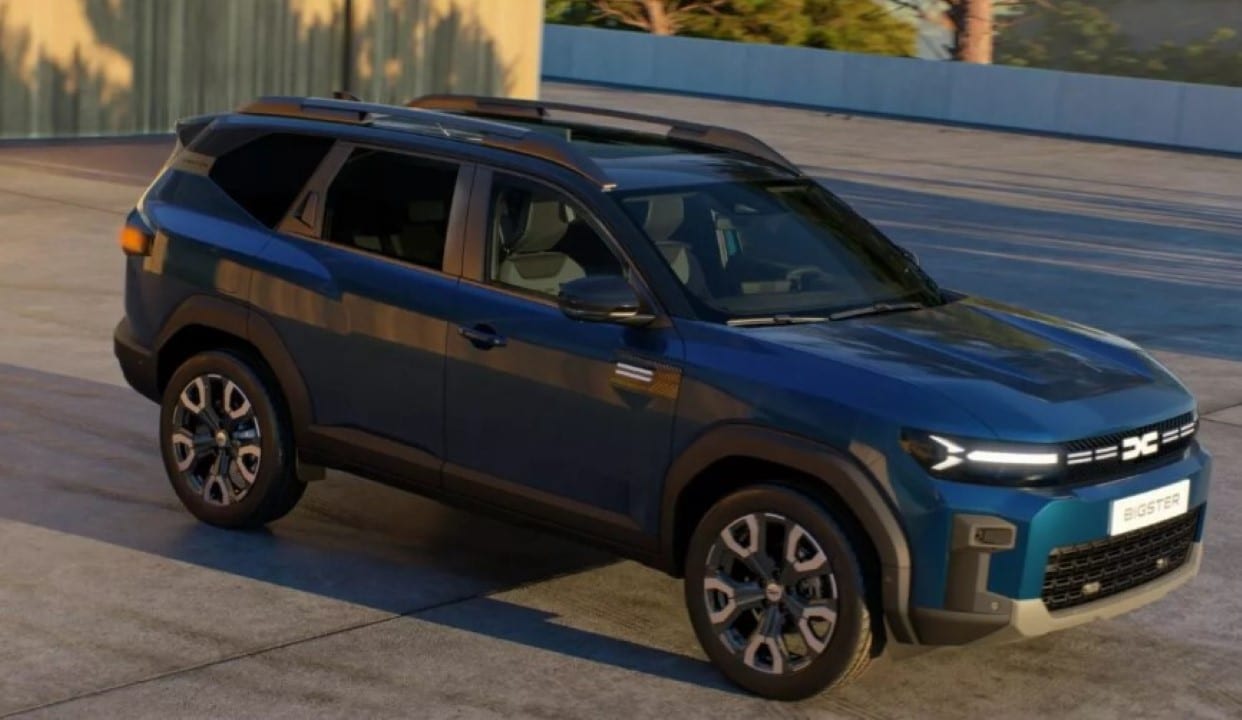
Initial tests conducted by the brand indicate that the innovation significantly reduces pollutant emissions and improves the car’s dynamic response in various driving situations. The electronic management of the package prioritizes energy efficiency, switching imperceptibly between the available driving modes. With the implementation of these features, the automaker reinforces its positioning in the European and global market, offering solutions that balance affordable cost and advanced technology for consumers who seek mechanical robustness combined with operational savings.
Technical specifications of the engine
The heart of the new Hybrid 150 4×4 system is a 1.2-liter gasoline engine, capable of generating 140 horsepower, which works in conjunction with a 31-horsepower rear electric motor. The hybrid architecture was designed to enable pure electric driving at low speeds, an ideal feature for congested urban areas where reducing noise and emissions is a priority. The compact 0.84 kWh battery is strategically sized to keep the vehicle’s weight low, preserving agility without the need for external recharging at sockets.
When the terrain requires greater grip, such as on slippery surfaces or light trails, the system automatically activates the electric rear axle. Diferente than traditional mechanical systems, the response here is immediate due to the instantaneous torque of electricity, providing a safe exit from adverse situations. The combined power of the set is around 148 to 150 horsepower, competitive numbers for the category of medium and compact SUVs.
In addition to traction, the transmission also received special attention with the adoption of a six-speed automatic transmission with dual clutch. The component was adjusted to perform smooth shifts and make the most of the torque curve of both engines, ensuring that the car has breath both when overtaking on the highway and when starting from traffic lights.
Extended autonomy and dual-fuel system
One of the great innovations presented is the integration of hybrid technology with the Gás Liquefeito de Petróleo (GLP) system, creating a solution with impressive range. The vehicle is equipped with two separate fuel tanks, one for gasoline and the other for gas, both with a capacity of 50 liters. With this configuration, the SUV can cover long distances without the anxiety common to purely electric vehicles.
The main benefits of this configuration include:
– Alcance total that can reach almost 1,500 km without the need for immediate refueling.
– Redução of operating costs by up to 30% due to the affordable price of LPG in several markets.
– Capacidade to run in electric mode for up to 60% of the time during urban journeys.
– Flexibilidade to travel through regions with limited fueling infrastructure.
Evolution in line Duster and Bigster
The Duster, a model already consolidated globally, receives important updates that place it on technological parity with its “big brother”, the Bigster. The new hybrid version of the compact SUV now delivers 155 horsepower, a considerable increase compared to the 140 horsepower of the previous generation. Esse power gain translates into superior acceleration capacity and greater towing strength, characteristics valued by the model’s owners.
For those looking for entry-level options, the micro-hybrid variant has also evolved, going from 130 to 140 horsepower. The engine uses a 48V electrical system to assist the combustion engine in moments of greater effort and recover energy during braking. Já the gas-oriented option Eco-G has been upgraded to 120 horsepower, ensuring that fuel economy is not accompanied by lackluster performance.
In addition to the engines, the Dacia engineering team applied improvements to the Duster’s acoustic insulation and suspension. The objective was to refine the driving experience, reducing internal vibrations and noise, bringing the comfort of the compact utility vehicle closer to the standards of higher segments.
Market impact and availability
The introduction of the Bigster with the new engine positions the model as a robust alternative for large families, offering a seven-seat option and a versatile trunk. Measuring around 4.6 meters in length, the brand’s top-of-the-line SUV uses a modular platform to deliver generous internal space. The automaker’s strategy is to compete directly with more expensive rivals, using cost-benefit ratio as the main sales argument.
In the regulatory scenario, the new engines are already prepared for the demanding Euro 7 standards, with an estimated reduction of 20 grams of CO2 per kilometer compared to their predecessors. Isso guarantees a longer commercial life for models and avoids circulation restrictions in large European centers that monitor the carbon footprint of vehicles.
Those interested in the new versions should wait for the official opening of orders, scheduled for the last months of 2026. The first deliveries are scheduled for the following spring, consolidating the renewal of the brand’s portfolio. The Dacia keeps the promise that, even with the addition of complex technologies such as electrified all-wheel drive, prices will remain affordable within the realities of the current automotive market.



