

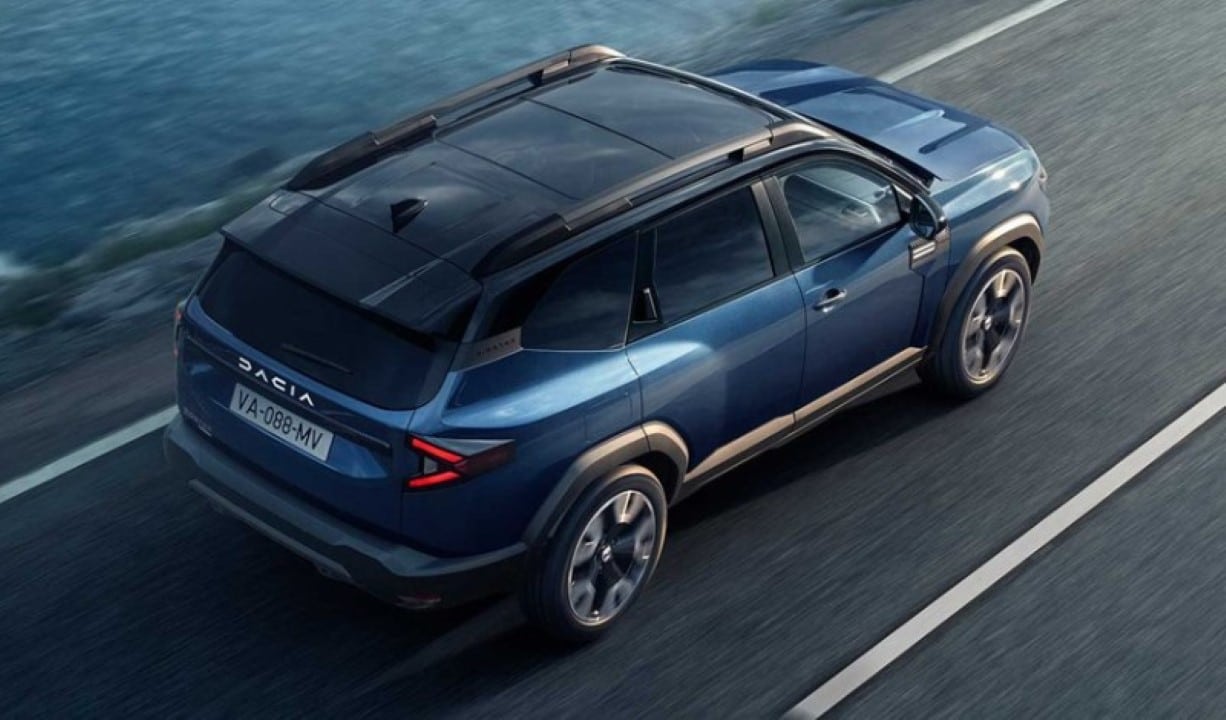
The automotive industry is following the launch of a new mechanical architecture developed to increase energy efficiency and off-road capability in the sports utility vehicle segment. The system, commercially named Hybrid 150, was designed to equip the Romanian brand’s vehicles without the need for heavy mechanical traditional transmission components. The technology applied combines a combustion engine on the front axle with an electric unit at the rear, eliminating the need for a driveshaft and optimizing internal space.
This configuration allows electronic activation of four-wheel drive only when driving conditions require it, ensuring superior stability on difficult terrain. The system’s intelligent management switches seamlessly between driving modes, always prioritizing the lowest possible fuel consumption. The technology benefits both the new Bigster model and the Duster line, which receives power adjustments based on this technical innovation.
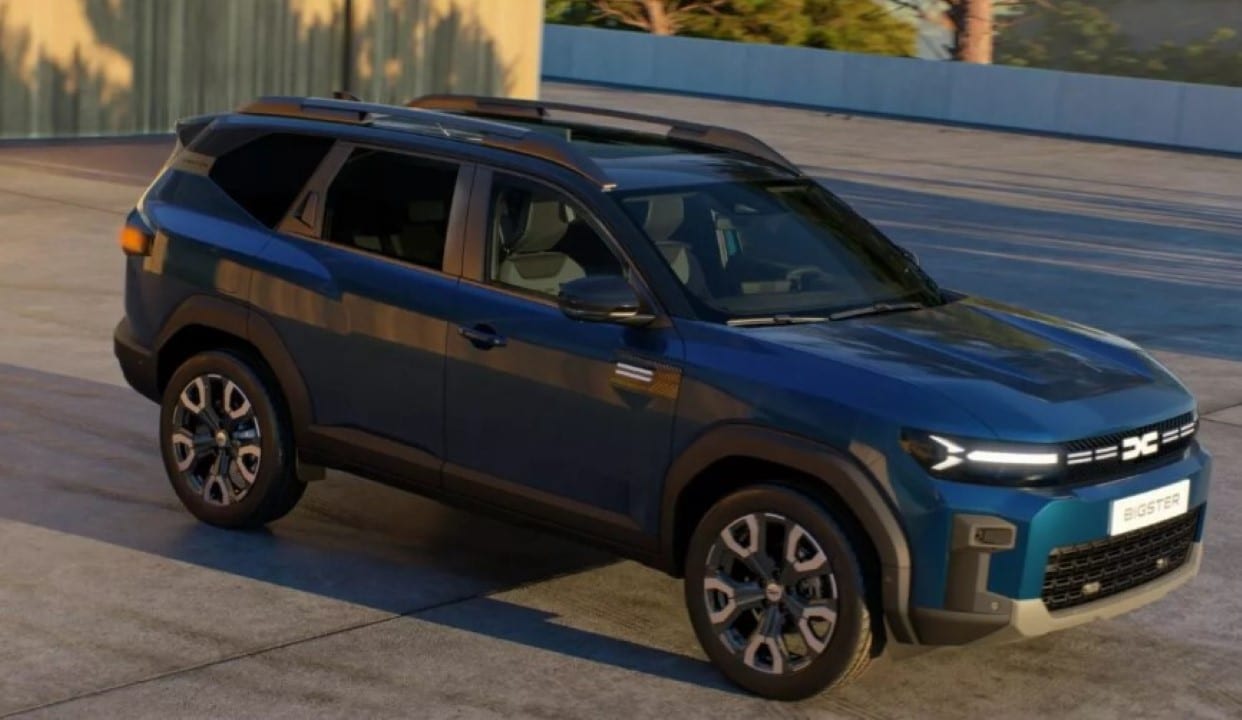
Tests carried out by the manufacturer indicate that the solution reduces pollutant emissions and improves the dynamic response of cars in various situations. The automaker’s strategy aims to meet the demand for versatile vehicles, capable of moving competently between urban traffic and off-road adventures, while maintaining accessible operating costs for the end consumer.
Technical details of the engine and performance
The mechanical package is powered by a 1.2-liter gasoline engine, capable of delivering 140 horsepower, which works in synchronization with a 31-horsepower electric drive positioned at the rear. The hybrid architecture was designed to allow driving in purely electric mode at low speeds, ideal for urban centers where silence and low emissions are priorities. A compact 0.84 kWh battery powers the system, keeping the vehicle’s weight contained and preserving agility without the need for external recharging.
In situations that require greater grip, such as light trails or slippery floors, the electric rear axle comes into action instantly. The system’s combined power reaches 150 horsepower, offering competitive numbers for the medium SUV category. Gearbox management is the responsibility of a six-speed automatic transmission with dual clutch, adjusted to perform smooth shifts and take advantage of the torque of both engines efficiently.
Extended range with dual-fuel system
One of the most relevant differences of the new technology lies in the integration of the hybrid system with the Gás Liquefeito of Petróleo (GLP), providing autonomy that stands out in the current market. The vehicles leave the factory with two tanks of 50 liters each, one for gasoline and the other for gas, allowing long journeys without the need for frequent stops to refuel.
The main operational advantages of this configuration include:
- Total range estimated at almost 1,500 km combining both fuels.
- Reduction in operating costs by up to 30% due to the lower value of LPG.
- Possibility of running in electric mode for 60% of the time on urban journeys.
- Flexibility to travel through regions with scarce supply infrastructure.
Updates on the Duster line and debut of the Bigster
The Duster undergoes a significant evolution by adopting the new engine, technologically aligning itself with the brand’s larger model. The hybrid version of the compact SUV now delivers 155 horsepower, surpassing the previous generation and offering greater acceleration capacity and traction power. The sound insulation and suspension have also been improved to increase comfort on board.
As for the Bigster, the new engine positions the model as a robust option for families, with seven seats available and ample interior space. Measuring 4.6 meters in length, the vehicle uses a modular platform to compete with rivals from higher segments, focusing on cost-benefit. The entry-level micro-hybrid variant has also evolved, using a 48V system to assist the combustion engine.
The upgrades ensure the models meet stringent environmental standards Euro 7 while boasting a reduced carbon footprint. The opening of orders for the new versions is scheduled for the last months of 2026, with the first deliveries scheduled for the beginning of the following spring, consolidating the renewal of the manufacturer’s portfolio.



