


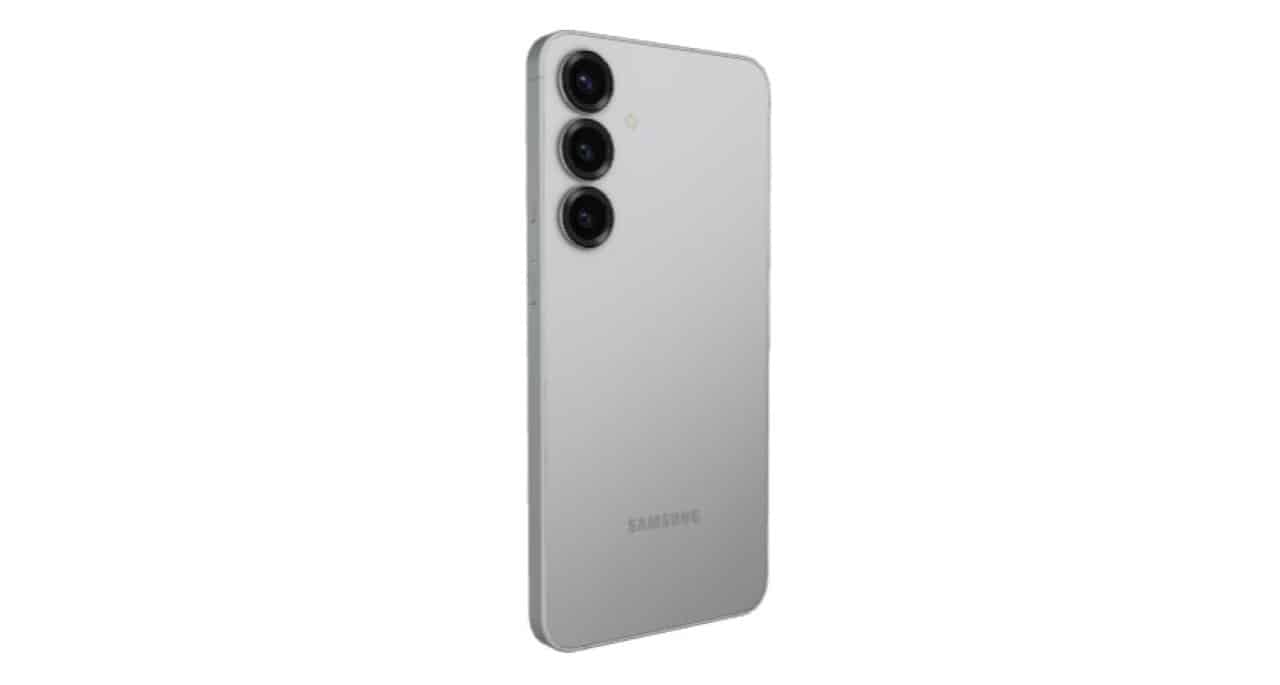
Samsung recently announced the Galaxy S26 series, consisting of the S26, S26+ and S26 Ultra models, without including built-in magnets for native Qi2 wireless charging support. Essa choice reflects a strategy focused on optimizing the internal design of devices. The company has prioritized allocating space for components that allow for thinner and lighter devices.
Samsung executives revealed that internal research indicates that 83% of Galaxy smartphone users use protective cases. Based on this, the company decided to integrate magnetic rings into official accessories, such as covers, instead of embedding them directly into phones. Essa approach maintains compatibility with Qi2 accessories without compromising the internal structure.
The S26+ and S26 Ultra models have received wireless charging speed upgrades, reaching up to 25W on the Ultra and 20W on the At the launch event on San Francisco at 10am local time, Samsung highlighted that this decision balances functionality and consumer preferences.
Reasons for missing magnets
Samsung justified the lack of integrated magnets in the Galaxy S26 with actual consumer usage data. Most owners of Galaxy devices opt for cases, which influenced the choice to add magnetism via external accessories. Essa measure frees up internal space for other improvements.
Company research has shown that prioritizing thinner and lighter designs better meets market demands. The Galaxy S26 Ultra, for example, is the thinnest model in the line, at 7.9 mm thick, and weighs just 214 grams. Tais features were possible by avoiding additional components like magnets.
Priorities in internal design
Samsung executives emphasized that the space saved by the absence of magnets allowed advances in other areas. The focus on larger batteries or improved sensors reflects a precise engineering strategy. On the Ultra model, this translates into better thermal management during intensive use.
The decision also considers potential interference with existing functionality, such as S Pen in S26 Ultra. Testes demonstrated that magnets could affect the accuracy of the digital pen. The company opted for external solutions to maintain the integrity of these tools.
Compatibility Strategies
Compatibility with the Qi2 standard is maintained through official cases with integrated magnetic rings. Usuários can purchase these accessories for automatic alignment on wireless chargers. Essa flexibility allows devices to reach maximum charging speeds without changes to core hardware.
Samsung has launched a line of dedicated cases for the S26 series, including options for the Galaxy Buds 4 Pro that function as magnetic stands. Essas solutions ensure users explore the potential of fast charging. Além Additionally, 25W and 60W wireless chargers have been introduced in markets such as Índia.
Updates to loading speeds
The Galaxy S26 Ultra now supports 25W wireless charging, an improvement over the previous model’s 15W. Essa improvement results from improved reception modules developed by vendors specializing in wireless power transmission. Power stability and heat control have been optimized for extended sessions.
On the S26+, the limit reaches 20W, while the standard S26 remains at 15W. Essas speeds depend on compatible chargers and correct alignment. The company has tested extensively to ensure that devices reach these levels without thermal overload, prioritizing battery durability.
Wired charging has also evolved, with the Ultra reaching 60W, allowing recharges from 0% to 75% in around 30 minutes. Comparado compared to competitors like the OnePlus 13, which offers 100W, the Samsung emphasizes a balance between speed and longevity. Testes independent experts confirm that these updates reduce users’ downtime.
Comparisons with previous models
The Galaxy S25 series introduced Qi2 support in specific cases, but without native magnets, similar to the S26. However, the S26 Ultra is 4 grams lighter than the S25 Ultra, demonstrating continued progress in weight reduction. The smaller thickness did not compromise the battery capacity, which was maintained at competitive levels.
Regional differences include the use of Snapdragon 8 Elite Gen 5 or Exynos 2600 processors, depending on the market. Esses chips contribute to energy efficiency, complementing charging improvements. Usuários of previous models note that updates in the S26 focus on everyday usability, such as screen privacy and improved cameras.
Solutions via accessories
Samsung has developed a range of accessories to compensate for the lack of internal magnets in the Galaxy S26. Capas with built-in magnetism allows the use of Qi2 chargers without additional effort. Essas options are sold separately but optimized to fit devices perfectly.
60W portable chargers and magnetic headphone holders expand the ecosystem. Usuários can assemble customized setups, such as vehicle charging stations. The company guarantees compatibility with global standards, facilitating adoption in different regions.
These accessories undergo rigorous testing to avoid interference, especially on the S26 Ultra with S Pen. Relatos of users indicate that the covers maintain full functionality without impacting the pen’s accuracy. The strategy encourages personalization, aligning with consumer preferences.
Debates about convenience
Experts debate whether reliance on covers for magnetism reduces the convenience of the Galaxy S26. Enquanto some see this as a limitation, others appreciate the modularity. The choice reflects market trends, where personalized accessories gain prominence.
Comparisons with rivals such as the Google Pixel 10 highlight that native magnets facilitate automatic alignment. However, Samsung argues that its approach preserves the integrity of the design. Usuários who do not use covers can opt for adhesive magnetic adapters, available on the market.
Engineering and interference
The engineering of the Galaxy S26 Ultra considers the sensitivity of the S Pen to magnetic fields. Internal Ímãs could degrade the pen’s performance, affecting writing and navigation. Samsung performed tests that showed reductions in accuracy, leading to the decision to avoid this integration.
Suppliers like WiTS have contributed thinner, more efficient 25W receive modules. Esses components improve stability without adding bulk. Prioritizing thermal performance over magnetic convenience ensures devices operate in optimal conditions.
Market and reactions
The launch of the Galaxy S26 generated discussions on forums and networks about the absence of magnets. Consumidores value the improvements in charging speed, but question the need for extra accessories. The company responds with affordable options like launch packs including magnetic covers.
In markets such as Índia and Estados Unidos, initial sales indicate positive acceptance. Analistas predict that the modular covers strategy will influence future lines. Qi2 compatibility without fixed hardware allows for software updates, extending the life of devices.
Advances in power transmission
The wireless transmission technology in the Galaxy S26 incorporates innovations in heat management. Módulos thinner receivers allow for compact designs without sacrificing performance. Samsung collaborates with experts to refine these systems for superior efficiency.
Compared to the previous Qi, the Qi2 offers precise alignment, but the reliance on external magnetism in the S26 adapts to diverse scenarios. Usuários in vehicular environments benefit from magnetic mounts, improving safety. Essas updates position the series as competitive in fast loading.
Options for users
Galaxy S26 users can explore third-party cases with compatible magnets. Marcas specialists offer solutions that maintain protection without compromising design. Testes show that these layers reach the advertised speeds, with stable alignment.
Accessories such as 60W travel chargers complement the ecosystem. Samsung encourages product combinations for optimized experiences. Relatos indicate that these settings reduce daily recharge time, catering to hectic routines.
Trends in smartphones
The absence of magnets in the Galaxy S26 reflects a greater tendency to prioritize minimalist designs. Concorrentes adopt similar approaches in some models, balancing functionality and aesthetics. Samsung leads with innovations in energy efficiency, influencing the sector.
Future updates may include magnets in premium lines depending on feedback. For now, the S26 series demonstrates a commitment to versatility via accessories. Global Consumidores appreciate this flexibility, adapting devices to individual needs.



