Critical failure in Xiaomi SU7 Ultra engine generates warranty dispute after extreme use on track


An automotive enthusiast residing in Minsk, identified as The car in question, a rare example of the Xiaomi SU7 Ultra, suffered a catastrophic breakdown shortly after intense sessions of use in drag racing competitions, a modality in which the model promises exceptional performance.
The incident occurred suddenly, leaving the owner with no immediate repair options in his country of residence. Atualmente, the vehicle was transported to a specialized workshop in Moscou, where technicians attempt to rebuild the damaged components piece by piece to prevent the total loss of the traction system.
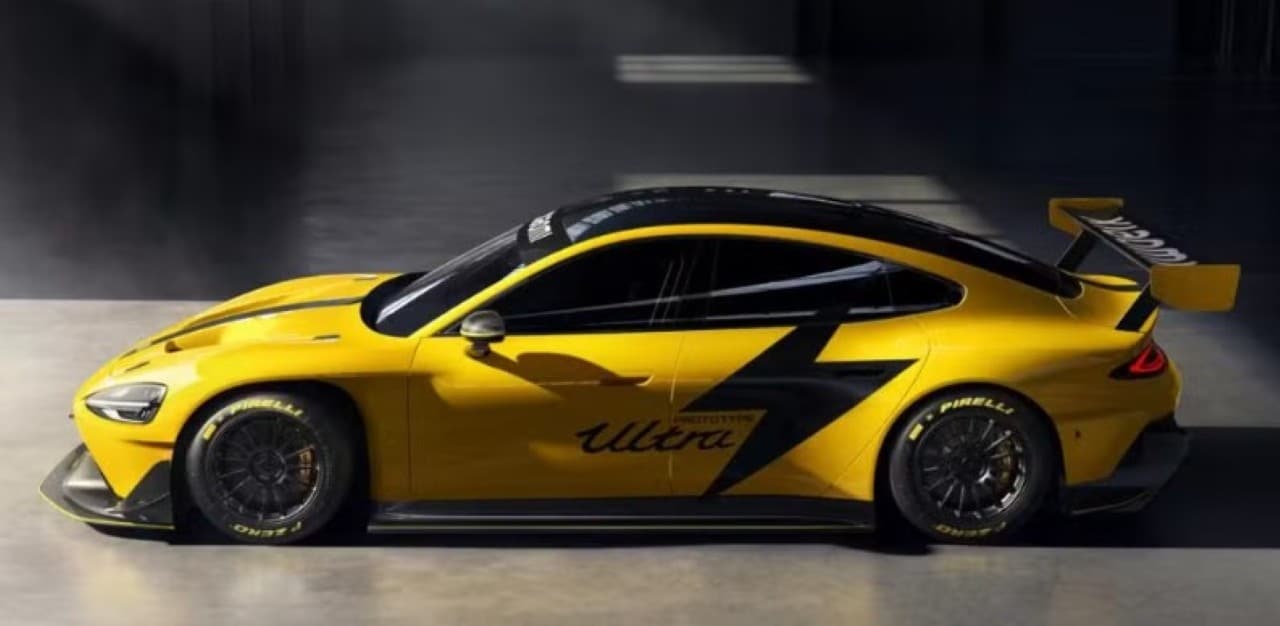
Yuri’s situation illustrates the risks associated with acquiring cutting-edge technology vehicles outside of official distribution channels or in markets where the support infrastructure is still in its infancy. The case gained repercussions due to the car’s superlative specifications and the subsequent difficulty in obtaining spare parts and qualified labor to deal with the Chinese manufacturer’s proprietary architecture.
Complex diagnosis and transfer to Moscou
The failure occurred on a day without direct competitive activities, shortly after the driver had explored the electric vehicle’s high-performance mode. Relatos about the car’s performance describe acceleration as a “teleportation” experience, with a proven ability to travel 402 meters in just 8.85 seconds and reach top speeds in excess of 250 km/h during initial tests.
Given the absence of qualified technical support at Bielorrússia, it was necessary to organize complex logistics to transfer the car to Rússia. Em Moscou, experts analyzed the damaged hardware and pointed to thermal stress as the likely cause of the control unit collapse. Embora there is a suspicion of a pre-existing defect in the manufacturing of the part, the history of recurrent overloads during speed tests is considered a determining factor for premature wear of internal components.
The estimated loss is significant, considering that the vehicle has a market value of close to $80,000 and does not have insurance coverage for this specific type of mechanical damage. The technical team responsible for the repair identified that the main processor of the control unit remained intact, which keeps alive the possibility of recovering the system without the need for a complete replacement of the engine, a process that would be financially unfeasible.
The warranty dilemma and the leasing contract
The complexity of the case is amplified by the contractual conditions under which the vehicle was purchased in the summer of 2025. The purchase was brokered by importer Teslacars, who initially brought the car for promotional purposes before passing it on to the end customer. The company maintains that the sale was carried out between legal entities and at a reduced price, conditions that, according to the signed contract, exclude the application of traditional consumer protection laws and the standard factory warranty.
In addition to the lack of collateral, the owner faces the ongoing financial obligation of leasing. Financing installments continue to be charged periodically, regardless of the vehicle’s operational condition. Yuri claims that the defect is manufacturing, while the seller points to poor use of the roads and tracks as the main reason for the mechanical failure, creating a legal impasse.
The owner formalized a complaint prior to the legal proceedings, arguing that the drag mode is a native factory functionality, explicitly designed to withstand power peaks of up to eight seconds. In Yuri’s view, the use of an official car resource should not compromise the structural integrity of the engine, which would characterize a hidden defect in the product, regardless of the intensity of previous use.
Recovery prospects and market lessons
The ongoing restoration work is exhaustive and involves the complete dismantling of the module to replace burned-out elements. If the technical intervention does not return functionality to the hypercar, the owner is studying legal measures to try to cancel the purchase contract, although he admits reluctance due to the likely long duration of the legal process in international jurisdictions.
The Xiaomi SU7 Ultra continues to be a technical reference in the electric car segment, promising acceleration from 0 to 100 km/h in less than two seconds. However, this episode serves as a warning about the physical limits of electronic components when subjected to continuous extreme use, even in vehicles designed for high performance.
The case highlights the logistical and maintenance risks facing owners of high-performance electric vehicles in markets where supporting infrastructure is still limited. The dependence on independent importers and the lack of an official dealer network can transform mechanical problems, which would be covered by warranty in other contexts, into devastating financial losses for the first adopters of these technologies.
Luís Henrique Costa é jornalista formado pela FMU, editor-chefe e fundador do Mix Vale, portal de notícias em atividade desde 2013. Responde pela direção editorial do veículo, que cobre Brasil e mundo em economia, benefícios sociais, esportes, tecnologia, ciência e entretenimento. Atua na área há mais de 15 anos e lidera uma equipe de cerca de 15 colaboradores.