

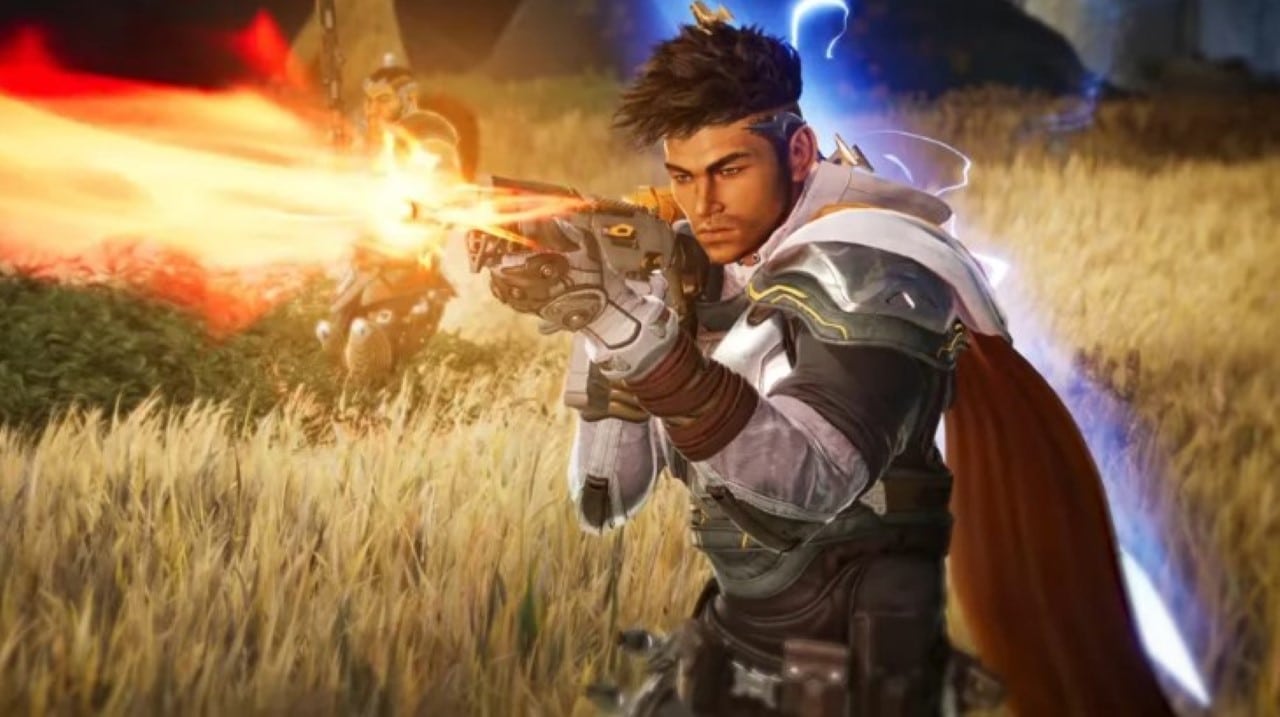
The game Highguard, released in January this year, had its servers permanently shut down on March 12th. The decision comes less than two months after its official arrival on the market, confirming the sustainability challenge in an increasingly competitive gaming sector.
Developer Wildlight, responsible for the title, reported that it was unable to establish a solid enough player base. Este factor was decisive for the unfeasibility of maintaining the project in the long term.
Despite the effort and dedication of the development team, the unfavorable scenario led to the early end of a game that generated expectations, but failed to consolidate its space.
Initial reception and warning signs
The presentation of Highguard at The Game Awards in 2025 had already generated mixed reactions from the community and specialized critics. The title faced considerable initial skepticism, especially due to the history of failures in similar productions and the perception of saturation in this specific niche of games.
Market observers pointed to the difficulty of a new “raid shooter” standing out in an environment dominated by established franchises. The lack of a notable difference since the announcement contributed to the cold reception from potential players.
From initial euphoria to exhaustion
During its launch in January, Highguard achieved significant initial success, registering more than 100 thousand simultaneous players on its platforms. Esse peak of interest, however, proved to be ephemeral and was not maintained over the following weeks.
The sharp drop in the number of active users led Wildlight to take drastic measures, including a round of layoffs that hit part of its team. The instability of player engagement was quickly reflected in the company’s operational structure.
The hidden financing of Tencent
An investigation conducted by Bloomberg subsequently revealed some of the underlying issues that affected the development and sustainability of Highguard. Entre the main revelations, highlighted the loss of crucial financing by the Chinese giant Tencent, information that Wildlight had kept confidential.
This withdrawal of financial support came at a critical time, directly impacting the studio’s ability to sustain the game and implement long-term strategies. Tencent’s decision was a significant blow, compromising the cost structure and expansion plans that could have saved the game. The lack of transparency on this issue has raised questions about the management and future prospects of the project since its initial stages.
“Raid shooter” details and farewell
Highguard was conceived as a “raid shooter”, incorporating elements of loot collection, invasion of enemy bases and intense clashes between teams. The proposal combined action with strategy, seeking to captivate fans of the genre.
In an attempt to revitalize interest and attract new players, the game’s latest update brought significant content. Foram added a new character, a new weapon to players’ arsenal, as well as an account level progression system and expanded skill trees.
These news, although welcome, were not enough to reverse the downward trend. The server shutdown date in March marks Highguard’s definitive farewell to the online gaming scene, leaving the developer’s efforts behind.
Challenging scenario for new titles
The large-scale multiplayer online games market is inherently volatile and highly competitive, where only a small portion of new releases manage to establish a lasting and profitable player base. The demand for constant innovation and the abundant supply of options make it difficult for any title to stand out without a clear differentiator and a robust support plan.
Many studios face the challenge of maintaining post-launch engagement, as initial novelty tends to wear off quickly if new content isn’t delivered consistently or if communities don’t feel heard. Building a strong identity and communicating effectively with players are essential to avoid deflation.
Large investments and aggressive marketing campaigns alone do not guarantee success. It’s common to see high-budget games fail in saturated niches, where technical quality and gameplay originality are often secondary to the reputation and loyalty already built by older competitors.
Highguard’s experience serves as a vivid reminder of the complexities of this ecosystem. Success depends not just on a good idea, but on flawless execution, a sustainable business model, and an ability to adapt to the ever-changing dynamics of gaming consumer behavior.
Impact for developer Wildlight
The closure of Highguard represents a critical moment for Wildlight, which now needs to reevaluate its development strategy and the focus of its future projects. Prematurely discontinuing a newly released title often leads not only to financial losses, but also a significant impact on team morale and the company’s reputation in the market.
The company faces the challenge of learning from this experience and demonstrating resilience to move forward. Transparency about the reasons for closure and clear communication with former players and the community are important steps to rebuilding trust and laying the groundwork for new initiatives in the future.



