
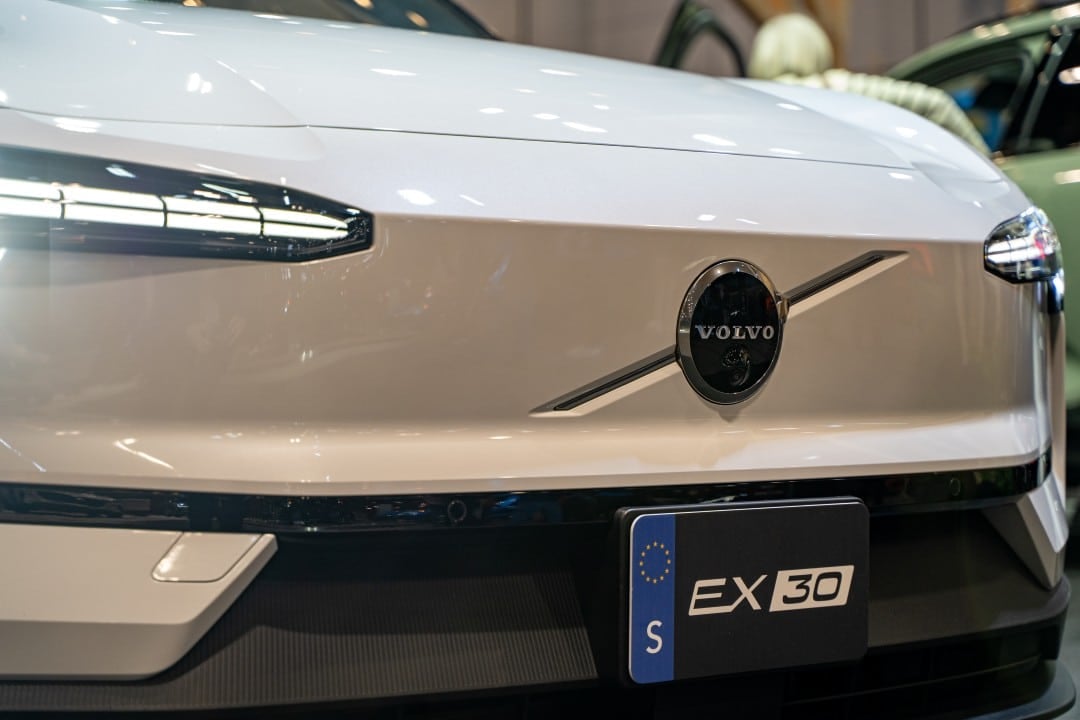
Off-road version of the Volvo EX30 overcomes the Japanese cold and displays the robustness of its electric all-wheel drive By Luís Henrique Costa
3 min read
 |
The mountainous region of Myoko, located in the province of Niigata, served as the setting for a rigorous battery of technical assessments promoted by Volvo. The focus of the tests was the Cross Country Ultra Twin Motor Performance version of the EX30 model, which faced a challenging route from station Joetsu Myoko towards Monte Kurohime. Durante the route, thermometers registered temperatures of around 3°C, creating an ideal environment to test the systems’ response in cold climates.
The dynamic performance of the sports utility vehicle drew attention due to the immediate response of the electric motors, positioned on the front and rear axles. Mesmo em trechos onde o asfalto estava úmido e sob a incidência de ventos gelados, o conjunto mecânico demonstrou precisão absoluta, exigindo atuação constante da eletrônica embarcada para manter a estabilidade.

The tested configuration presented significant differences compared to the urban version, specifically designed to deal with irregular topography and adverse weather conditions. Entre the main technical modifications implemented by the brand’s engineering, the following stand out:
– Elevação of 20 mm in height in relation to the ground to overcome obstacles more easily;
– Sistema permanent all-wheel drive (4WD) optimized to guarantee maximum grip;
– Painéis of body protection and exterior design inspired by topographic maps.
Visual identity and structural robustness
The model’s aesthetics were developed to convey a feeling of superior solidity, with the incorporation of matte black panels on the front and rear. Esses elements function as shields for the body against debris and light impacts. A detail that reinforces the Scandinavian heritage is the engraving of the geographic coordinates and the artistic representation of the Monte Kebnekaise, the highest peak of the Suécia, connecting the vehicle to its Nordic origins.
The visual changes accompany the functional proposal of an SUV capable of traveling over rough terrain safely. The wheel arch extensions and reinforced bumpers not only add to the adventurous look, but also offer real protection against rocks and loose branches on the road. The matte finish was strategically chosen to keep the vehicle’s appearance preserved even after intense use on light trails.
Traction behavior on slippery surfaces
The all-wheel drive system proved essential for maintaining stability on surfaces with reduced or variable grip during Japanese winter testing. The intelligent distribution of torque between the axles allowed the driver to maintain full steering control, mitigating risks in sharp curves or sudden accelerations on slippery surfaces.
The instantaneous response of the electric motor favors driving in mountain environments, where overtaking and starting need to be agile. The combined power of the two engines propels the SUV with vigor, ensuring high performance both in emergency situations and during leisure time. The recalibrated suspension efficiently absorbed terrain imperfections, balancing the comfort required for long journeys with the firmness required for light off-roading.
Internal experience and thermal insulation
Inside, the model preserves the brand’s characteristic functionality and minimalism, offering an environment protected against the external cold. Thermal and acoustic insulation proved to be efficient during the evaluation, allowing occupants to travel without the discomfort of wind noise or low temperatures in the Niigata region.
The versatility of the internal space allows the accommodation of sports equipment, in line with the proposal of a vehicle aimed at weekend getaways. The wide visibility facilitates maneuvering in confined spaces and narrow trails, consolidating the model as a practical option for both contact with nature and everyday urban traffic.











