

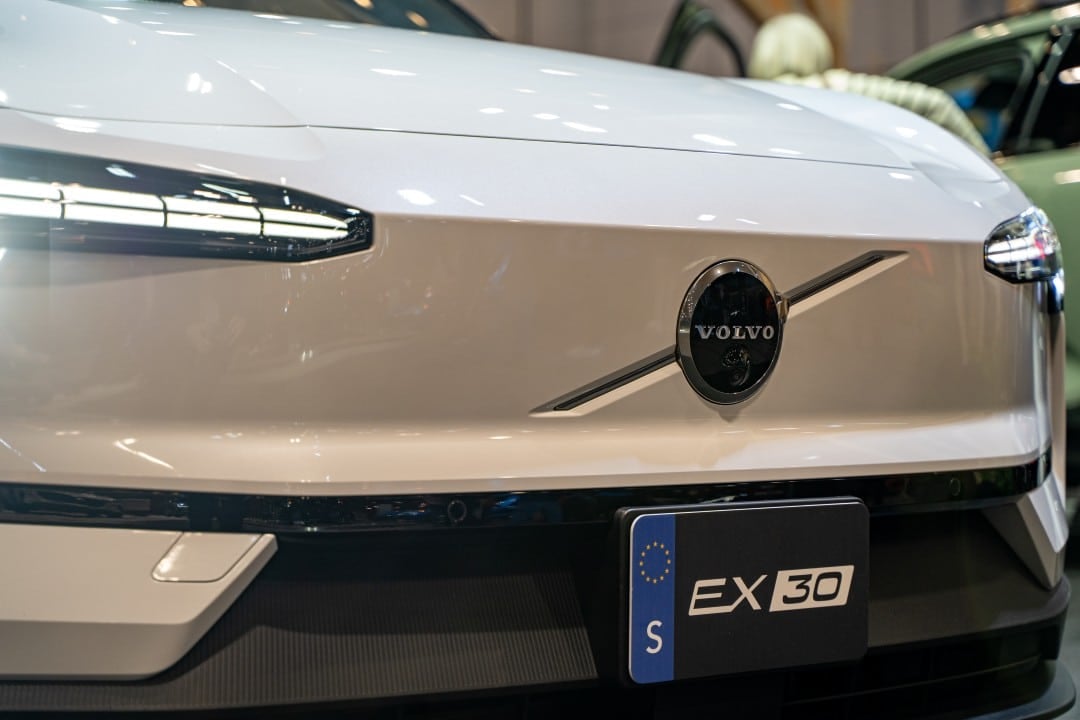
The Japanese mountains have recently served as the setting for a series of rigorous assessments focused on the durability and adaptability of electric vehicles in hostile terrain. The Swedish manufacturer took the adventurous version of its compact SUV, the EX30 Cross Country, to face scenarios of low grip and temperatures close to 3°C. The main objective of the technical expedition was to validate the response of the electronic systems and the structural integrity of the model when faced with slippery surfaces and irregular topography, ensuring that the vehicle’s off-road proposal is functional and not just aesthetic.
During testing, the engineering team monitored the car’s dynamic behavior in extreme situations, seeking the ideal balance between the delivery of immediate torque from the electric motors and the need for constant traction. The fine calibration of the stability control systems was a priority, ensuring that the vehicle maintains the correct trajectory even when caused by sudden changes in direction or braking on frozen roads.

Technical improvements and reinforced structure
Visually, the model differs from urban versions by adopting matte black panels on the bumpers and sides. Esses elements not only serve as design differentiation, but function as protective shields against debris, branches and small stones common on unpaved paths. The robustness suggested by the appearance is accompanied by mechanical modifications essential for overcoming obstacles.
Among the main changes validated during the development phase, three fundamental pillars that define the vehicle’s capacity stand out:
– The suspension is raised by 20 mm compared to the standard model, allowing a greater approach and departure angle on rough terrain.
– All-wheel drive (4WD) system specifically recalibrated to maximize grip on low-friction surfaces such as packed snow and mud.
– The installation of protection plates on the bottom of the chassis, designed to shield the battery pack against direct impacts from the ground.
Thermal efficiency and onboard experience
In addition to mechanics, thermal and acoustic comfort was a central point in the analyzes carried out on the Japão. Mesmo under intense cold, the climate control system demonstrated high energy efficiency, heating the cabin quickly without drastically compromising battery autonomy. The acoustic insulation was also praised, keeping the interior quiet by filtering wind and tire rolling noise, essential features for an electric vehicle where the absence of engine sound makes other noises more evident.
The elevated driving position, combined with a large glass area, provided test drivers with superior visibility, a critical factor for safety on narrow trails or adverse weather conditions. The minimalist interior layout proved to be functional, offering adequate space for sports equipment and luggage, reinforcing the model’s versatility for everyday use and weekend adventures.



