


Technology maker Xiaomi officially unveiled a high-performance electric hypercar prototype during Mobile World Congress in Barcelona. The display vehicle, initially designed for the virtual environment, highlights the company’s aggressive entry into the ultra-high-performance mobility sector. The conceptual model reaches the 1900 horsepower mark, consolidating an engineering project focused on extreme aerodynamics and advanced electric propulsion.
The main focus of this release is direct integration with the Gran Turismo 7 racing simulator. The company uses the gaming platform not only as a global marketing tool, but as a real-time testing laboratory. The brand’s engineers apply real-world physics data to the digital environment, allowing vehicle dynamics to be evaluated by millions of users before large-scale physical component manufacturing.
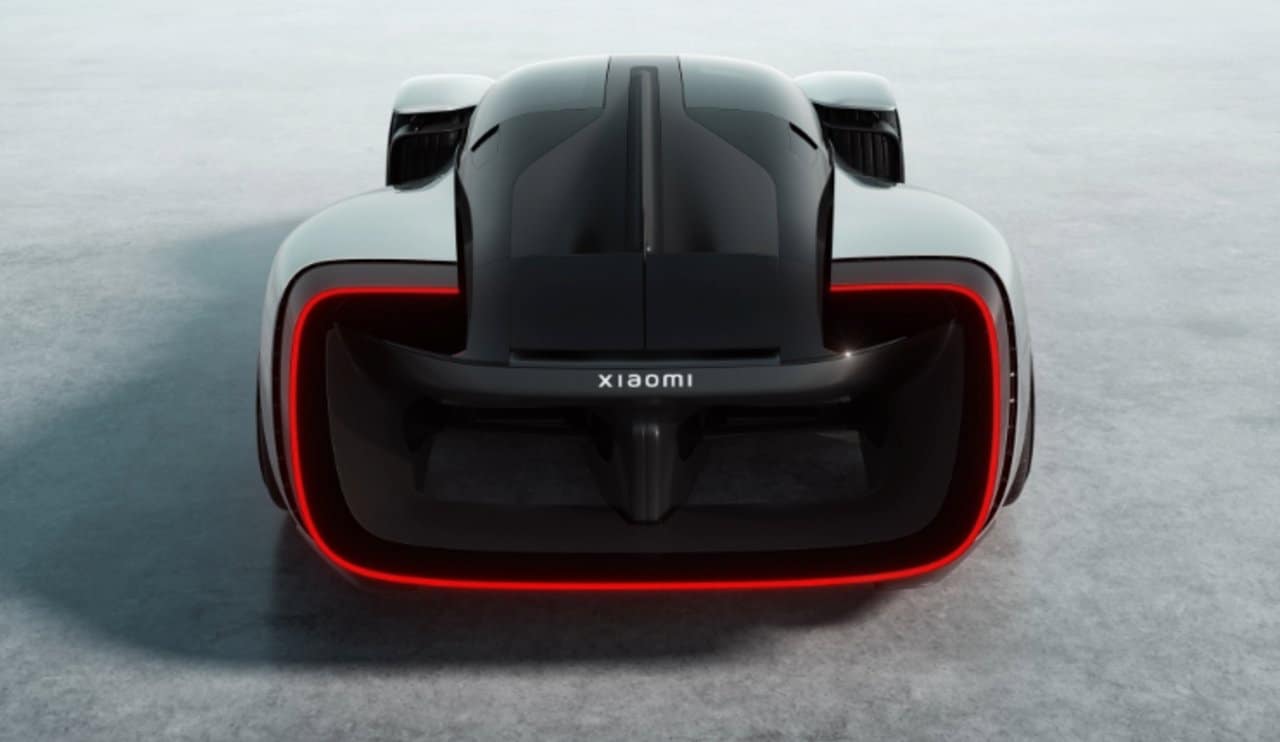
This strategy reflects a structural shift in the automotive industry in 2026, where software-defined vehicle development precedes metal stamping. Simulating thermal stress, tire wear and energy efficiency on virtual circuits drastically reduces research costs, accelerating the launch cycle of new sports models on the international market.
Strategic partnership with simulator developers
The collaboration between the technology giant and simulator development studios creates an ecosystem where virtual telemetry mirrors exact mechanical behavior. The mathematical models inserted in the game replicate the torsional rigidity of the chassis, the weight distribution of the battery pack and the instantaneous response of the electric motors. Essa digital precision allows the car’s behavior on iconic tracks to be analyzed with the same rigor as a practical test on closed racetracks.
In addition to technical validation, presence in the simulator builds a direct bridge with the next generation of consumers. Immediate access behind the wheel of a 1900 horsepower hypercar in the home environment establishes familiarity with the brand’s user interface and the company’s design philosophy. Driving data collected anonymously through gaming sessions provides a massive amount of information on how different driver profiles handle the brutal torque delivery, aiding in the calibration of real-world traction control systems.
Technical specifications of the electrical model
The powertrain of the conceptual hypercar is made up of multiple electric motors distributed between the front and rear axles. Esta configuration guarantees all-wheel drive on demand and allows individual torque vector control for each wheel. Instant torque vectoring is essential to maintain the stability of a vehicle that operates at power levels that challenge the limits of conventional tire grip.
Active aerodynamics plays a central role in vehicle design. Elementos bodywork elements, such as expandable front diffusers and variable tilt rear wings, adjust millisecond by millisecond depending on speed and steering angle. The system aims to maximize downforce in high-speed corners and minimize drag on long straights, optimizing battery energy consumption.
Thermal management is another fundamental pillar of engineering applied to the project. Para sustain a peak of 1900 horsepower without immediate degradation of internal components, the hypercar uses a liquid cooling system with a complex architecture. In the simulator, algorithms calculate the exact temperature of power cells during continuous accelerations, simulating the behavior of solid-state batteries under maximum stress.
The driver interface in the virtual cockpit is based on the manufacturer’s proprietary operating system. The digital displays and multifunctional steering wheel replicate the ergonomics that the company plans to implement in its future production vehicles. The integration of voice commands and quick suspension adjustments directly on the main screen demonstrates the brand’s vision for the future of human-machine interaction in sports motorsport.
Transition from the digital environment to the asphalt
The use of digital twins in automotive engineering eliminates obsolete clay prototyping steps and initial destructive testing. The software code that manages power distribution in the game is essentially the same as that which will be compiled for the physical car’s electronic control units (ECUs). Essa software parity ensures that updates developed on the virtual track can be sent over the air (OTA) to vehicles on the road.
The simulation of carbon fiber reinforced polymer matrix composite materials allows calculating the exact point of structural failure in impact scenarios. The computational physics applied in the simulator validates the vehicle’s final weight, ensuring that the power-to-weight ratio remains competitive with traditional internal combustion-powered hypercars.
Virtual motorsport professionals and test drivers collaborate to refine the suspension setup. Feedback provided by e-sports experts helps identify understeer or oversteer trends in extreme situations, data that is immediately processed by the vehicle dynamics team to change spring and damper parameters before the first metal chassis is built.
Impact on the global automotive market
The consolidation of consumer technology companies as electric vehicle manufacturers redefines the global competitive landscape in 2026. The barrier to entry in the automotive industry has been drastically lowered by the mechanical simplification of electric motors and the rise of centralized software architectures. By presenting a 1900 horsepower hypercar, the brand not only demonstrates technical capability, but sends a clear message to traditional automakers that dominance over vehicle performance is no longer exclusive to centuries-old European brands. The intelligent ecosystem, which connects the user’s smartphone to the car’s infotainment system and home automation infrastructure, creates unprecedented customer loyalty in the transportation sector. The ability to update the car’s dynamic behavior as easily as updating a mobile app transforms the vehicle into a constantly evolving platform, where the added value resides in the programming code and user experience, rather than just the static mechanical hardware.
Expanding the smart mobility ecosystem
The expansion strategy encompasses the creation of an interconnected fleet that shares traffic data, road conditions and energy efficiency in real time. The hypercar acts as a high-speed laboratory for LiDAR sensors and high-resolution cameras that will eventually power the brand’s entry-level sedans and SUVs.
Although the focus of the prototype is human driving in closed circuits, the electronic architecture supports artificial intelligence processing modules aimed at advanced autonomous driving. Algorithms trained to react in fractions of a second at extreme speeds provide a robust basis for preventative safety systems in urban passenger vehicles.
Aerodynamic validation in virtual wind tunnels
Advanced computational fluid dynamics replaces thousands of hours in physical wind tunnels. Supercomputers analyze the air flow over the body, identifying high pressure zones and unwanted vortices, allowing changes to the exterior design with millimeter precision before any industrial mold is manufactured.
Collecting data across thousands of players
Launching the vehicle in the simulator turns each player into a potential test driver. Big data analysis from millions of laps completed in different virtual weather conditions provides a map of durability and performance that is impossible for a traditional test team to replicate in a short space of time.
Massive telemetry identifies usage patterns and suspension tuning preferences among global users. Esses data informs engineering decisions about which pre-programmed driving modes should be included in the production model, ensuring the final product meets the performance expectations of drivers in diverse international markets.



