

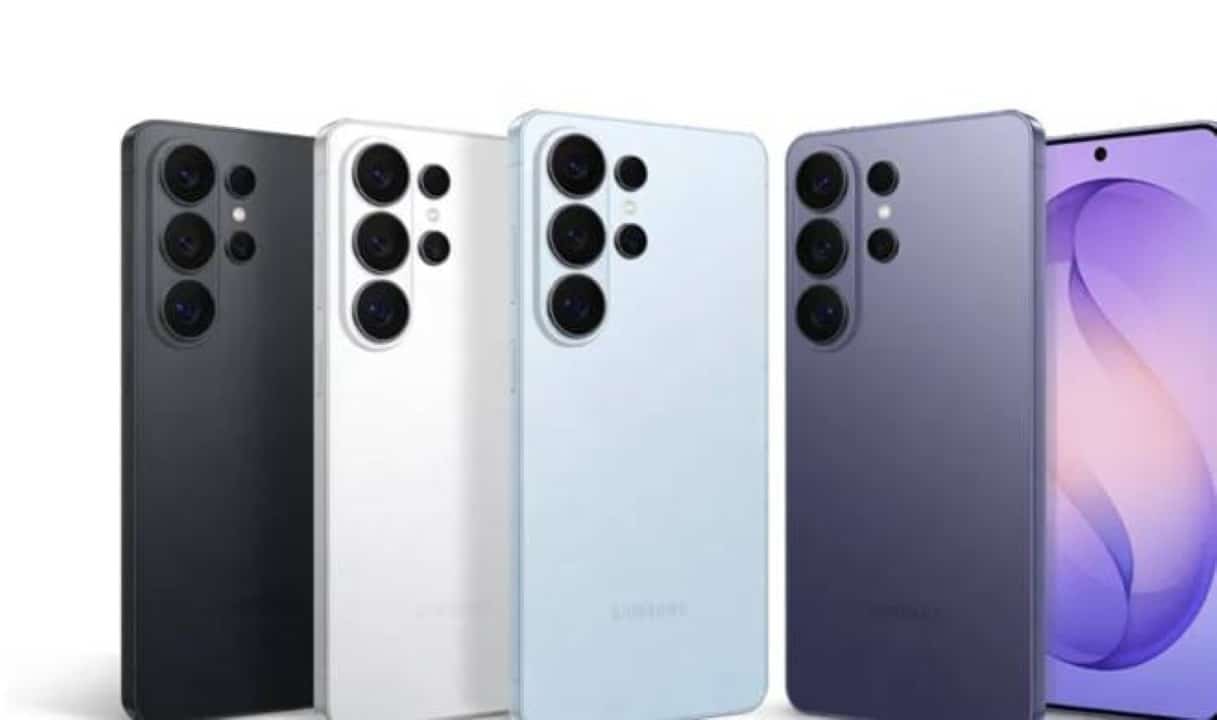
Samsung recently officially announced the arrival of the Galaxy S26 Ultra to the global market, highlighting the integrated privacy screen technology as its main hardware innovation. The component was specifically designed to block the view of people positioned next to the user, darkening the panel at side angles. The South Korean manufacturer’s proposal aims to increase security in public environments and transport, ensuring that banking data, messages and sensitive documents are not exposed to third parties during everyday use.
Despite the premise focused on data protection, the first units delivered to consumers are generating mixed reactions and an unexpected volume of returns in retail stores. Relatos of buyers indicate that the implementation of the confidentiality layer severely compromises the user experience in basic situations, such as sharing multimedia content with friends or co-workers. Diversos customers expressed dissatisfaction with the way colors and brightness behave at slightly inclined viewing angles, which makes collective use of the device practically impossible.
Key points noted by first-time buyers include:
– Queda abruptness in color fidelity when tilting the device slightly to the sides.
– Desconforto visual caused by aggressive privacy layer transition during page scrolling.
– Dificuldade extreme in showing photos, videos or documents to physically close people.
– Preocupação with high maintenance costs due to the integration of the filter directly into the main glass.
Technical difficulties reported on specialized forums
The negative repercussion gained momentum in digital communities shortly after the first few days of use, when owners described a feeling of persistent visual discomfort. One buyer detailed that the experience of looking at the panel for a long time resembles the 3D technology of old portable consoles, requiring a constant effort to focus the eyes. Essa technical characteristic, although highly effective in hiding lateral data, ends up generating visual fatigue during periods of intense use, such as reading long emails or browsing social networks.
The failure in depth perception and the drastic change in color tone were the determining reasons for a significant portion of customers to give up on their purchase in the first few days. Mesmo Although the processing hardware and the set of cameras have received praise from specialized critics, the display is the central component of human interaction with the smartphone. Qualquer anomaly in image reproduction directly impacts satisfaction with a product positioned in the ultra-high luxury category.
To date, the manufacturer has not issued an official statement regarding possible software adjustments that could mitigate this unwanted optical effect. The lack of quick positioning increases the frustration of consumers who invested high amounts in the launch. Especialistas in hardware point out that, as it is a physical barrier on the glass, corrections via the operating system will have limited effectiveness.
Direct impact on social and corporate use of the device
The private screen function physically prevents two people from comfortably watching a video simultaneously on the same device. Quando the owner tries to show an image, a graphic or a recording to someone nearby, the secondary person only sees a distorted or excessively dark surface. Esse behavior is inherent to the directional filter applied to the latest generation OLED panel.
Many users reported that they were not fully aware of the aggressiveness of this visual block before making the purchase. Profissionais who use smartphones as a work tool for quick presentations in meetings have encountered insurmountable difficulties. The need to keep the device at an angle of exactly 90 degrees in relation to the face makes use tiring and limits the historical versatility of the line.
Frustration is even greater among customers who migrated from previous models, such as the Ultra versions from years past. Previous generations were known for offering extremely wide viewing angles and consistent colors regardless of the device’s position on the table. Breaking this visual quality paradigm generated an immediate usability shock.
The corporate environment, which would initially benefit most from security innovation, also has reservations. Executivos who need to review documents together during business trips report that the device needs to be passed from hand to hand, eliminating the practicality of quick shared viewing.
Thermal performance and advances overshadowed by the display
Despite critical and widely documented issues with the display, the Galaxy S26 Ultra presents significant advances in other vital areas of hardware that have been overshadowed by the controversy. The new heat dissipation system has been redesigned with an enlarged vapor chamber specifically designed to sustain the high demands of generative artificial intelligence processed locally on the device. In rigorous stress tests, the smartphone maintained stable processing frequencies for much longer periods than its predecessors, consolidating itself as a robust productivity powerhouse and an excellent device for heavy applications without a drop in performance.
The refined design and choice of light alloy materials were also cited as extremely positive points by those who decided to keep the product despite the screen. The ergonomic build, combined with a cleaner and more responsive interface software, indicates that the brand has focused on the overall maturity of the mobile ecosystem. The superior quality of front brightness and clarity in videos with HDR technology remain impressive when the device is viewed perfectly from the front. No entanto, a inovação da tela privada provou ser uma aposta arriscada de engenharia que não considerou a totalidade dos perfis modernos de uso, onde o smartphone atua frequentemente como um centro social de mídia.
Panel architecture and maintenance costs
The technology used uses a structure of micro blinds invisible to the naked eye, which directs light emission in a unidirectional manner exclusively towards the user positioned frontally. Esse physical mechanism is very similar to privacy filters sold separately as accessories for corporate notebooks and high-performance monitors. The big difference and sticking point in the S26 Ultra is that this restrictive layer is fused directly to the optical assembly of the main glass, which prevents the owner from removing it whenever they want.
The cost of replacing this component in the event of accidental damage, such as drops or cracks, has also become a growing concern among market analysts and repair technicians. As it is an exclusive piece, of complex manufacturing and with multiple fused layers, repairs outside the warranty period reach considerably higher prices than traditional screens. The durability of this coating against micro scratches and fingerprint accumulation continues to be closely monitored by the first independent resistance testing laboratories.
Reverse logistics and international retail response
Os grandes varejistas internacionais e operadoras de telefonia já iniciaram o processamento de um volume atípico de pedidos de reembolso baseados puramente na insatisfação com a tecnologia de exibição, algo raro para a categoria premium. The return process follows normal consumer protection procedures, where the customer argues that the product, although without apparent manufacturing defects, does not meet the functional expectations for daily use described in the promotional material. Esse mass logistics movement may negatively affect financial projections and sales volume for the first quarter of the Galaxy line in the global market, requiring a rapid restructuring of marketing strategies. Especialistas in supply chain technology suggest that the manufacturer may be forced to launch an alternative version of the Ultra model without the privacy filter in selected markets to curb customer migration to competing brands. Essa hardware segmentation would be an emergency maneuver to serve both the corporate niche, which requires absolute data confidentiality, and the general public, which does not give up color fidelity and high definition screen sharing.
Physical limitations and optimization attempts
While the filter is a strictly physical component, there is a theoretical possibility that future firmware updates with adaptive brightness and dynamic contrast adjustments could slightly smooth the visual transition. Engenheiros of software would be working on a specific display mode that tries to compensate for the loss of brightness at the edges of the panel through advanced image processing algorithms. Contudo, the laws of optics and the physical limitations of the confidentiality layer cannot be completely overridden by lines of code, keeping the structural challenge intact for users who demand perfect viewing angles.



