Consumers return Galaxy S26 Ultra after new screen technology causes visual distortions
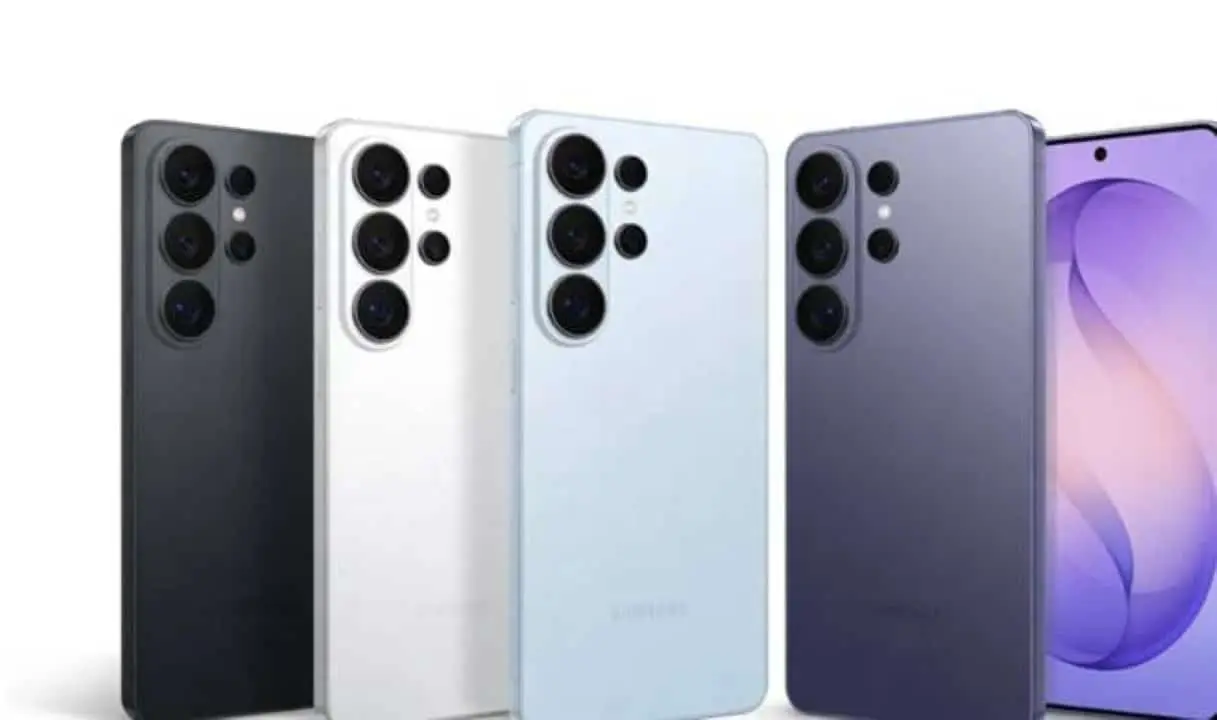
The launch of the South Korean manufacturer’s latest high-end smartphone brought an innovation that is generating unexpected reactions in the global mobile device market. The introduction of a privacy layer built directly into the device’s panel was designed to increase information security, preventing people around you from viewing the displayed content. However, this physical modification to the display structure resulted in significant visual changes during everyday use. Compradores who purchased the equipment in the first few days of sale began to notice that the screen has a darkened appearance and grayish tones when viewed from angles other than perfectly frontal. Essa technical characteristic, inherent to the operation of the privacy filter, was not widely understood by the public before the acquisition. Como direct consequence of this dissatisfaction with visual quality, a considerable volume of users initiated product return processes in physical stores and e-commerce platforms. The situation exposes a direct conflict between the implementation of new hardware security features and the expectation set by consumers regarding the clarity and brightness of high-tech panels. The current scenario requires the company to reevaluate the way it communicates the specifications of its premium launches to avoid commercial wear and tear.
The main complaint registered in customer service channels refers to the difficulty in sharing the screen view with other people in the same environment. Quando the user tries to show a photograph or video to someone next to them, the image loses sharpness and the colors are noticeably washed out. Esse display behavior breaks the traditional dynamics of using a modern smartphone, where media consumption often occurs collectively.
Although the device brings robust updates in processing and design, the display issue became the decisive factor for rejection by a portion of buyers. The visual experience is the most constant point of contact between the user and the machine, making any change to this component highly sensitive. The mobile technology market is closely watching the developments in this case, which could dictate the direction of the implementation of native privacy filters in the industry.
Privacy Technology’s Impact on Visual Experience
The engineering behind the privacy screen involves applying a special polarizing film over the device’s OLED panel. Essa layer acts like a microscopic shutter, directing light emission strictly forward and blocking lateral scattering. The technical objective is to ensure that only the individual positioned at a 90-degree angle to the device can read texts or view images clearly.
In practice, this luminous restriction affects the overall perception of brightness, even when the user is looking directly at the phone. The light that would normally spread evenly ends up being channeled, which requires the device’s lighting system to work with greater intensity to compensate for the loss. Essa dynamics subtly alters the white balance and color reproduction, elements that consumers of premium devices tend to evaluate extremely rigorously.
More on this story: Galaxy Z Fold 8 will have Flex Titanium screen with improved durability and fewer creases, confirms Samsung
Reactions on the forums and volume of returns registered
Immediately after the first deliveries of the product, technology discussion forums and networks aimed at mobile device enthusiasts were flooded with reports about the screen’s behavior. Muitos buyers initially believed it was a manufacturing defect in specific batches, publishing photos that demonstrated the loss of lateral visibility. Confirmation that the effect was an intentional feature of the design sparked extensive debate about the manufacturer’s design priorities.
The retail sector felt the impact of this dissatisfaction through an unusual increase in reverse logistics requests for a newly launched product. Lojas specialists reported that the standard justification filled in the return forms invariably pointed to the quality of the screen. The process of receiving, sorting and reconditioning these returned devices represents an unforeseen operational cost for the distribution chain.
The profile of the consumer who invests in smartphones in the Ultra category is characterized by the demand for impeccable specifications in all components. The expectation of having the best screen available on the market was frustrated by the security functionality, leading to a breach of trust at the time of initial use. Quick returns have become the route chosen by those who have not adapted to the new visual reality of the equipment.
Hardware advances overshadowed by new display layer
The device in question was designed with substantial improvements in HDR technology, offering a theoretical contrast superior to previous generation models. Engineers worked to ensure brightness peaks in supported content were more intense, providing ultra-high fidelity video playback. However, the perception of these improvements was hampered by the privacy layer overlaid on the panel.
On the same topic: New Galaxy Watch 9 firmware appears on server and confirms progress in software development
Another highlight of the original design is the internal cooling system, which has been completely redesigned to support intense workloads. The enlarged vapor chamber allows the processor to maintain high frequencies during prolonged gaming sessions or high-resolution video recording. Essa thermal stability represents an important technical leap for users who demand continuous maximum performance.
See Also


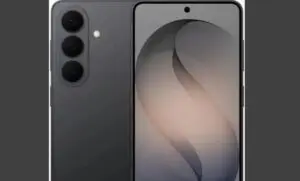
The external structure of the smartphone also received special attention, adopting a chassis made of high-strength materials that provide durability without compromising ergonomics. The refined finish and weight distribution were calculated to offer safe and comfortable handling. The device’s industrial design was widely praised by experts before the screen issue dominated discussions.
Unfortunately for the manufacturer’s marketing strategy, all these engineering advances ended up relegated to the background in public evaluations. The centrality of the screen in the everyday usage experience has meant that visual dissatisfaction has overshadowed thermal, structural and processing achievements. The episode illustrates how a single interface design decision can compromise the reception of a technologically advanced product.
Manufacturer’s response and possible software updates
Given the volume of complaints and the impact on product retention rates, the manufacturer’s development team began the search for solutions that could mitigate users’ visual discomfort. The main line of action involves creating software updates focused on fine-tuning image control algorithms. Engineers try to develop specific color and brightness profiles that compensate for the dimming caused by the physical film, forcing the panel to emit light in an optimized way depending on the content displayed. Essa approach via operating system seeks to deliver an experience closer to the traditional standard without the need to collect devices already sold.
However, hardware experts point out that the limitations imposed by a polarizing physical barrier cannot be completely nullified by lines of code. The software can increase the base brightness or change the saturation, but it cannot change the physical direction in which photons are emitted from the screen. Isso significa que, embora uma atualização possa melhorar a visualização frontal e reduzir o aspecto acinzentado, a perda de visibilidade em ângulos laterais permanecerá como uma característica imutável do dispositivo. The manufacturer faces the challenge of communicating these technical limitations transparently, aligning current owners’ expectations about what a future update can effectively resolve.
Learn more: Samsung releases new system update with new features for Galaxy Watch 4 users
Market strategies and alternatives for consumers
To contain dissatisfaction and stabilize sales in the global market, the company is studying the feasibility of diversifying the model’s offering in strategic regions. One of the possibilities analyzed internally is the launch of a smartphone variant without the privacy layer, directly serving users who prioritize unrestricted visual quality and screen sharing. Essa logistical maneuver would require adjustments to the production line and clear segmentation at retail, ensuring that consumers know exactly which version they are purchasing. Paralelamente, the guidelines for demonstrating the product in physical stores have been urgently updated. Sales promoters were given strict instructions to introduce the privacy feature within the first few minutes of interacting with customers. The guidance is to actively demonstrate side dimming, explaining the safety benefits before the purchase is finalized. Essa preventive approach aims to ensure that the acquisition is made with full knowledge of the display’s characteristics, drastically reducing the likelihood of returns due to post-purchase frustration. Training top sales teams has become the most effective immediate tool to align public expectations with the reality of the hardware delivered.
Comparison with previous generations of the premium line
The contrast in public reception becomes evident when the current model is compared to its direct predecessors, which built a reputation based on the excellence of their displays. Aparelhos of past generations have set the industry standard for wide viewing angles and color accuracy, features that have earned loyalty from a huge user base. The abrupt introduction of a technology that alters this paradigm proved to be a calculated risk that did not resonate with the historical preference of the brand’s buyers.
Retail adaptation to the exchange scenario
Large retail chains and e-commerce platforms needed to quickly adapt their information policies to deal with the flow of returned devices. Product description pages have been updated to include prominent notices about privacy screen behavior to educate the consumer before the final click. Essa Forced transparency has become essential to protect merchants’ profit margins against reverse shipping costs.
The mobile technology industry as a whole is evaluating the outcome of this implementation to shape the future of smartphone screens. The episode serves as a case study in the acceptance of passive security features that interfere with basic usability. The decision to maintain, modify or abandon the privacy screen in future generations will depend on long-term analysis of users’ purchasing and retention behavior.