Error in new iOS system update crashes iPhones and causes critical global battery failure
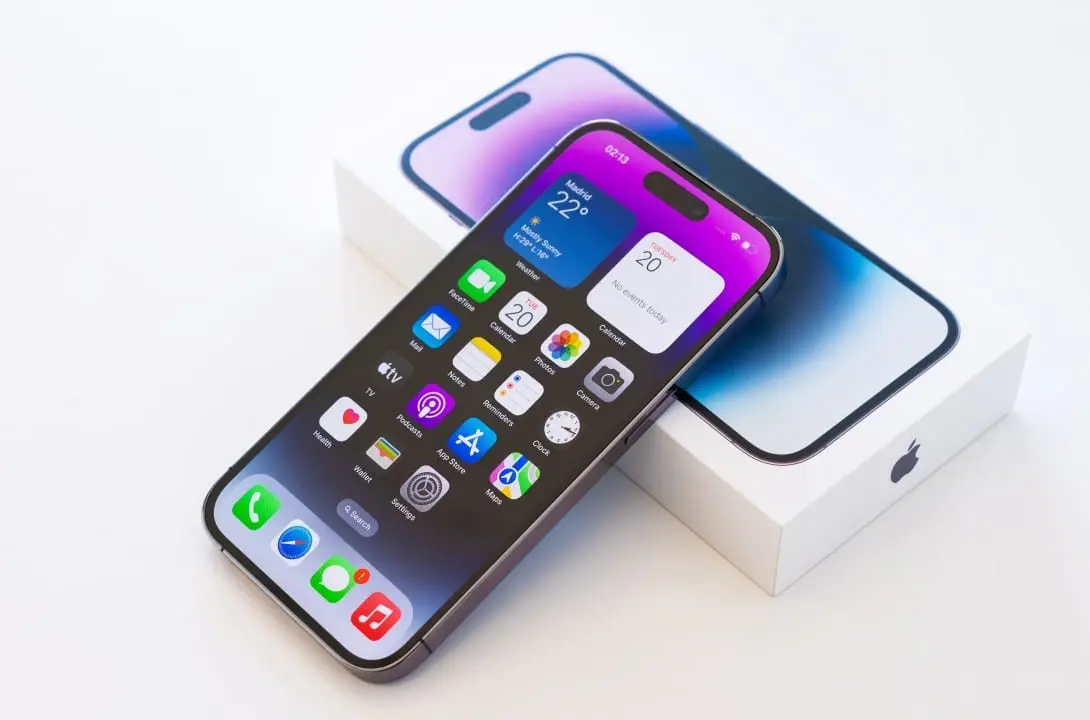
Smartphone users from the North American manufacturer report systemic instability after downloading the latest software package available on official servers. The installation, which promised to optimize communication between tracking devices and accessories, resulted in continuous crashes and loss of vital hardware functions. Milhões of owners around the world registered formal complaints on the service channels, pointing out the temporary unusability of their daily communication equipment. The flaw ranges from the navigation interface to biometric authentication, requiring an immediate technical response from the developer.
The volume of technical calls overloaded telephone support centers and physical assistance stores. Relatórios Preliminaries indicate that the programming error affects the way the operating system manages the phone’s physical resources, creating a bottleneck in processing basic information. The interruption of services not only affects personal use, but also compromises work tools and bank authentication that depend on the stability of the equipment.
The rollout of the update file has been halted globally to prevent new devices from being compromised. Engenheiros of software work on identifying the line of code responsible for the logical conflict that triggered the series of crashes. The current technical priority is to develop a safe method to roll back the update on already affected devices, without resulting in the loss of data stored in the phones’ local memory.
Origin of the problem and the relationship with new devices
The data package was originally designed to prepare the mobile ecosystem for the arrival of a new generation of physical trackers, known in the technology market for facilitating the location of personal objects. The engineering team’s intention was to refine the wireless communication code, ensuring a faster response between the phone and the geolocation accessory.
Full coverage: News (EN)
However, just hours after the file was released on global servers, the first signs of incompatibility began to emerge. Aparelhos that completed the restart process experienced an abnormal slowdown on the home screen, followed by forced restarts and abrupt interruptions of background processes, preventing fluid navigation.
The developer, upon identifying the atypical volume of error reports automatically generated by devices, made the decision to suspend distribution of the file. The interruption aims to contain the spread of the problem among the user base that was still operating with the previous version of the operating system, avoiding a greater collapse in the network of active devices.
Severe impact on energy consumption and connectivity
One of the symptoms most reported by consumers is extreme degradation of the energy load. Modelos of the latest generation, recognized for having high capacity batteries, recorded full charge depletion in less than a day, even when kept in rest mode on the table and without active use of the screen.
Learn more: Failed iOS 26.2.1 system update crashes Apple cell phones and destroys battery life
The software failure forces the processor to operate at maximum capacity uninterruptedly, causing physical overheating of the device’s chassis. Esse continuous processing cycle prevents the phone from entering the power saving state, resulting in accelerated wear of internal components and intermittent disconnection from mobile phone networks.
Operating losses in the corporate sector
The business environment felt the effects of instability immediately. Empresas who provide mobile equipment to their field teams reported the interruption of essential activities, as management and internal communication applications stopped opening or unexpectedly closed during daily use.
Departamentos of information technology registered an exponential increase in the opening of support tickets. Internal technicians, without an official solution available from the manufacturer, found it difficult to restore the productivity of employees affected by the faulty update, limiting themselves to recording incidents.
The connectivity breakdown directly affected the synchronization of corporate emails and access to cloud storage platforms. Reuniões virtual and business transactions that depended on mobile device authentication had to be rescheduled or transferred to desktop computers, causing delays in corporate schedules.
Operadoras telecommunications companies also issued statements informing about the overload on their networks. The constant attempt by faulty devices to reconnect to data servers generated anomalous traffic, requiring routing maneuvers to avoid signal drops in densely populated metropolitan areas and maintain stability for other customers.
More on this story: Failed new Apple update crashes iPhones and compromises battery and Face ID of global users
See Also



Data corruption and internal storage failures
Além Due to power and network issues, the update caused a critical error in the device’s memory management. The operating system started generating error log files in an infinite cycle, quickly occupying all free space on the internal storage disk. Relatórios technicians indicate that some devices accumulated tens of gigabytes of useless data in a matter of minutes, blocking the capture of new photographs, the reception of messages and the download of important documents. Essa memory saturation prevents the basic functioning of the system, blocking the user interface and making it impossible to manually delete defective files in a conventional way.
The system’s native internet browser was also severely compromised by the data management flaw. Usuários reported that the application suddenly quits while reading web pages, resulting in the complete loss of recent browsing history and tabs that were open before the crash. Corruption of browser temporary files requires a deep rewrite of the code by developers, as traditional cache cleaning methods have no effect on stabilizing the application, forcing users to temporarily look for alternative browsers.
Main components affected by the software failure
Preliminary analysis conducted by independent digital security laboratories mapped the extent of logical damage caused by the installation of the package. The code conflict was not limited to third-party applications, directly affecting the security modules integrated into the equipment’s motherboard. The communication failure between the software and physical sensors resulted in the disabling of accessibility and biometric protection features. Researchers have compiled the main failure points that will require specific fixes in the next version of the system. Entre the problems catalogued, the following technical occurrences documented by the repair centers stand out:
On the same topic: Error in Apple’s iOS system blocks facial biometrics and accelerates battery consumption on iPhones
– Permanent Desativação of the facial recognition sensor due to errors in depth reading and three-dimensional mapping.
– Queda constant wireless internet signal and failure to automatically transition to high-speed mobile networks outdoors.
– Drenagem energy exceeding the established standard, reducing the daily useful life of the equipment by half and generating excessive heat.
– Congelamento of the graphical interface when quickly switching between texting applications and the system camera.
Expert recommendations for data protection
Técnicos data recovery guide advises owners of affected devices to disable the automatic update function in the system settings immediately. The main recommendation at the moment is to avoid restoring the equipment to factory defaults autonomously, as this action, without a prior and updated backup in the cloud, will result in the irreversible deletion of all personal information, photographs and contacts stored in the phone’s physical memory.
Technical response and assistance protocols
The manufacturer’s software engineering team mobilized its developers to create an emergency fix package. The absolute priority of the programming department is to stabilize the operating system core to stop the massive generation of error files and restore temperature control to the processors. Fontes linked to the supply chain indicate that internal testing of the new version has already begun in closed laboratories, seeking to ensure that the solution does not introduce new vulnerabilities into the equipment’s security architecture. The complexity of the repair requires rigorous validation before public distribution on servers.
More on this story: IOS 26.2.1 update destroys battery and crashes recent iPhone models
Enquanto the correction file is not officially released, authorized technical assistance centers operate at maximum capacity to meet the demand of customers who have had their devices completely blocked. Service protocols have been updated to prioritize the preservation of locally stored information, using cable diagnostic tools to try to reverse the continuous crash state. The guidance from consumer protection agencies is that customers document failures through protocol records, ensuring the necessary support if the hardware suffers permanent damage due to prolonged overheating generated by the system failure.