Apple transforms iPhone 18 Pro with transparent design and hidden camera technology in the screen

North American manufacturer Apple is preparing a profound visual and technological redesign for its next generation of premium smartphones. The new top-line device brings substantial changes to the external structure, incorporating visual elements that allow partial visualization of the device’s internal components. The aesthetic change accompanies a drastic change in the front interface, eliminating the upper cutout known in the mobile technology market in favor of photographic sensors embedded directly under the light panel. The updates also cover the image capture system, central processing capacity and energy management of the equipment.
The physical sizes of the screens remain unchanged compared to the immediately previous generations. The standard model in the top line maintains the 6.3-inch display, while the larger variant preserves the 6.9-inch panel. The rear module responsible for housing the photographic lenses maintains the visual identity already established by the brand, ensuring immediate recognition of the product by consumers, even with the extensive modifications applied to the internal architecture and covering materials.
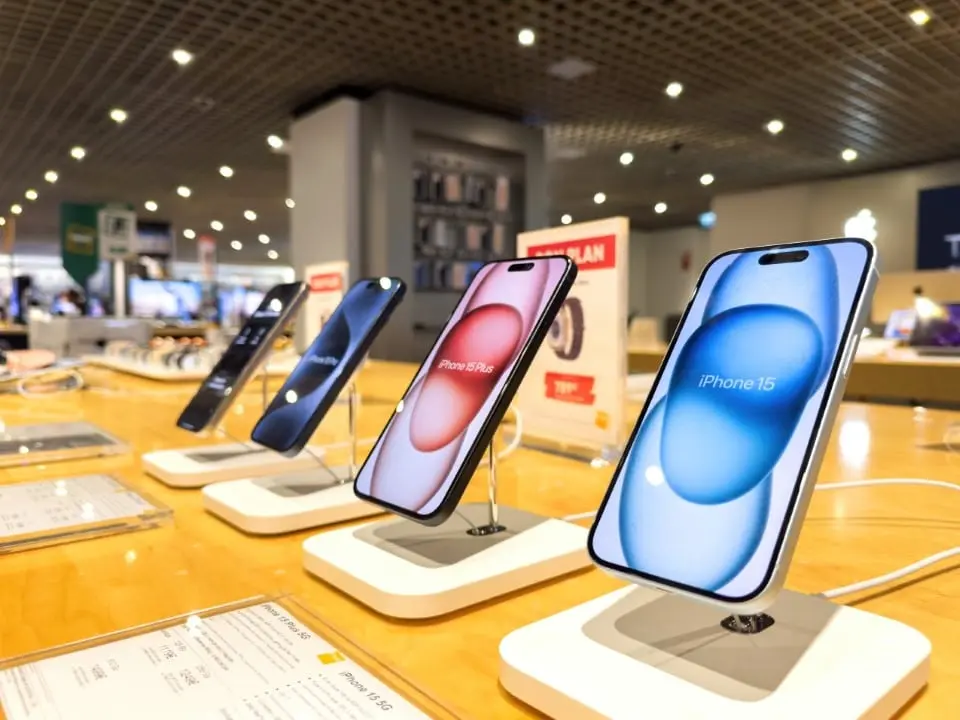
The engineering behind these modifications requires strategic partnerships with global electronic component suppliers. The development of panels capable of hiding sensors without compromising the quality of the captured image represents a leap forward in the manufacturing of commercial displays. The company directs significant resources to ensuring that the structural transition does not affect the durability or daily usability of the equipment.
On the same topic: Apple transforms the look of the iPhone 18 Pro with translucent chassis and unprecedented 5200 mAh battery
The set of innovations sets a new standard for assembly on Asian production lines. The integration of translucent materials with high-strength metal alloys demands unprecedented machining processes on the manufacturing scale required by the company, requiring adaptations to all precision machinery used in the factories.
Aesthetic return to the brand’s classic computers
The inspiration for the new visual identity refers directly to the Macintosh computers sold at the end of the nineties. Historical Equipamentos such as the iMac G3 and the original iBook stood out in the computer market due to their use of colored and semi-transparent polycarbonate.
The current design strategy rescues this characteristic visual language, adapting it to contemporary standards of electronic miniaturization. The application occurs in a contained and elegant way, focusing on specific areas on the back of the mobile device.
The central point of this aesthetic modification is concentrated in the region of the magnetic wireless charging ring. A glass window with translucent properties allows direct observation of the induction coil and adjacent circuits selected by the engineering team.
Full coverage: News (EN)
The controlled exposure of the internal hardware creates a visual effect that combines nostalgia and high technology. Assembly requires an impeccable internal finish, as previously hidden components become part of the smartphone’s aesthetic composition.
Continuous screen and concealment of front sensors
The functional change most awaited by users is the definitive removal of the upper cutout on the screen, introduced years before to house the front camera and facial mapping sensors. The manufacturer adopts an engineering solution that positions the photographic lens under the display’s pixel matrix.
More on this story: Technology giant launches foldable iPhone Ultra and 18 Pro version with dynamic aperture camera
See Also


The technology makes the camera virtually invisible during regular use of the device, such as playing videos or browsing applications. The change expands the useful viewing area by approximately five percent, delivering a front panel almost entirely dedicated to digital content.
These advanced panels are delivered through a technical collaboration with Samsung’s display division. The industrial challenge is to guarantee the necessary transparency in the lens region for light entry, while simultaneously maintaining the refresh rate of 120 Hz for fluid operating system animations.
Learn more: IPhone 18 Pro gains translucent chassis and 5200 mAh battery in aesthetic redesign
Photographic system with physical aperture control
The image capture set receives a substantial mechanical upgrade with the introduction of a main sensor with variable aperture. The physical mechanism allows precise control over the amount of light that reaches the image sensor, operating in a range between f/1.4 and f/2.0. The functionality brings the smartphone closer to the operation of dedicated professional cameras, offering real versatility in different ambient lighting conditions. A larger aperture makes it easier to capture details in dark environments and generates natural optical background blur, while a smaller aperture ensures full-length sharpness for photographs of landscapes or groups of people.
The optical approximation module is also undergoing revisions, supporting 48 megapixel resolution with five times physical zoom without loss of quality. The ultra-wide angle lens gains an improved mechanical stabilization system, essential for recording videos on the move. Revamped photography hardware paves the way for capturing videos in 8K resolution at 60 frames per second. The integration between these new lenses and image processing algorithms requires thorough calibration, ensuring that aperture transitions occur automatically and imperceptibly for the average user.
Two-nanometer processing architecture
The management of all new hardware and software functions is the responsibility of the unprecedented processor developed by the company itself. The electronic component is manufactured using the two-nanometer lithographic process, which represents the state of the art in the semiconductor industry. The reduction in the distance between transistors allows a massively greater number of processing cores to be allocated in the same physical space, resulting in an exponential leap in both raw computing capacity and energy efficiency. The chip is specifically designed to accelerate artificial intelligence and machine learning routines running locally on the device, without the need for cloud processing. Essa architecture is vital to supporting the complex calculations required by real-time computational photography, dynamic camera aperture adjustment and future functions integrated into the brand’s mobile operating system. The speed of internal data traffic also receives a substantial increase, eliminating bottlenecks in recording very high resolution videos and running three-dimensional modeling applications.
Learn more: Apple plans to launch iPhone 18 Pro with transparent panel and 5000mAh battery
Thermal management and energy autonomy
The internal structure of the device adopts a new stainless steel casing for the battery, replacing the aluminum components used in past generations. The structural modification increases resistance against mechanical impacts and improves the dissipation of heat generated by the processor by around fifteen percent.
Superior thermal control allows the device to maintain peak performance for extended periods during intensive tasks. Energy storage capacity reaches 4800 mAh in the largest model, working in conjunction with a proprietary mobile connectivity modem focused on extreme energy efficiency.
Technical feasibility of construction materials
The adoption of a partially translucent glass back required rigorous testing to attest to the material’s durability and electromagnetic permeability. Materials engineering has applied layers of specialized filters that allow the free passage of radio waves, ensuring the perfect functioning of telephone connections, wireless networks and short-range communication. The main chassis uses aerospace-grade titanium, ensuring structural lightness and maintaining maximum protection certifications against the ingress of water and dust inside the equipment.