Unpublished study maps ten professions affected by artificial intelligence in the next decade
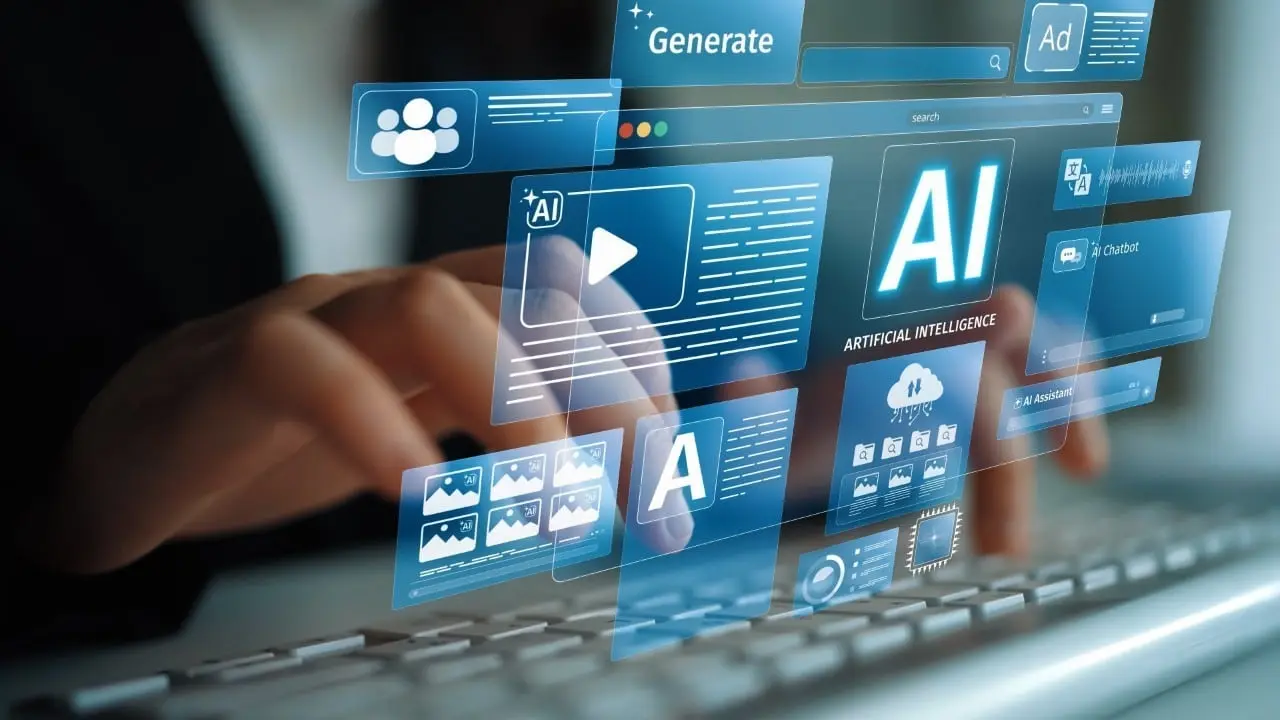
The advancement of machine learning systems establishes a profound reconfiguration of employment dynamics on a global scale. A recent survey details how the integration of advanced algorithms changes the routine of different categories of workers. The research projects a scenario of continuous transformation in corporate structures over the next few years.
The analysis focuses on the vulnerability of specific functions in the face of the increasing data processing capacity of machines. The development of large language models allows tasks previously exclusive to human cognition to be performed with high precision. Esse movement requires rapid adaptation of productive forces.
The data indicates that the technology has not yet reached its theoretical operational limit, which suggests even more profound changes in the short and medium term. The need for technical updating becomes a basic requirement for maintaining employability in various sectors of the economy.
On the same topic: Unpublished report details ten professions threatened by artificial intelligence in the next decade
Transformation in corporate routines
The adoption of automated tools goes beyond industrial assembly lines and directly affects the services and administration sector. Funções that require complex information analysis and direct customer service begin to incorporate virtual assistants into their daily operations. The transition changes the profile required by recruiters.
Companies of different sizes review their budgets and internal processes to accommodate these new technologies. The main goal of organizations is to optimize response time and reduce operational costs by delegating repetitive tasks to software. The movement generates a debate about the redistribution of workloads.
Current algorithms can cross-reference historical data, identify consumption patterns and suggest strategic actions in fractions of a second. Essa computational capacity raises the standard of demands on the results delivered by human teams. The business environment becomes more competitive and dependent on digital infrastructure.
Occupations with the highest degree of exposure
Mapping the careers most susceptible to automation reveals a focus on activities based on clear rules and logical information processing. The survey highlights ten main areas where the replacement or strong assistance of machines is already a measurable reality. The list is led by programmers, with an exposure rate of 74.5%, followed closely by customer service representatives, who register 70.1%. Next come data analysts with 67.1% and medical records specialists with 66.7%. Profissionais linked to sales and market strategies also appear at high rates, including market and marketing analysts (64.8%) and sales representatives (62.8%). The financial and information technology sector completes the vulnerability picture, encompassing financial analysts (57.2%), software and quality assurance analysts (51.9%), information security analysts (48.6%) and technical user support specialists (46.8%). The presence of these occupations at the top of the ranking shows that the ability to generate codes, write standardized reports and resolve frequent doubts are the skills most easily replicable by current artificial intelligence systems available in the corporate market.
Dynamics of technological integration
The high exposure rate of a career does not determine its immediate elimination from company staff. In practice, technology acts as a filter that absorbs bureaucratic and repetitive demands, changing the nature of the original function. A financial analyst, for example, stops spending hours compiling spreadsheets to dedicate himself to interpreting complex economic scenarios generated by the software. Essa symbiosis between human operator and machine tends to increase individual productivity, requiring professionals to develop a more critical and strategic look at the results delivered by algorithms in their daily lives.
Large language models play a central role in this operational paradigm shift. The ability of these systems to interpret legal texts, write official communications and even identify flaws in lines of programming code accelerates the pace of production in offices and technology hubs. The direct consequence of this efficiency is the need for constant requalification of the workforce, which needs to learn to formulate precise commands and audit the material produced by artificial intelligence. Digital fluency becomes as vital as the specific technical knowledge of each area of activity.
More on this story: OpenAI launches ChatGPT Work, artificial intelligence for automating complex tasks
Movements in youth recruitment
Current employment indicators do not point to mass layoffs in the sectors analyzed, contradicting more pessimistic forecasts. The stability of professionals already in the market contrasts with a silent change in admission policies. Corporations adjust their long-term growth strategies.
See Also



There has been a reduction in the hiring of workers aged 22 to 25 for entry-level positions. Vagas that traditionally served as a gateway for recent graduates are being filled by automated solutions. Initial CV screening and primary care are clear examples of this substitution.
This preference for investing in software licenses to the detriment of new junior jobs changes the dynamics of professional advancement. Young people face the challenge of entering the market and needing to demonstrate full or senior level skills. The entry barrier becomes higher and requires greater prior preparation.
Learn more: Google launches Gemini 3.5 with cutting-edge intelligence and speed for automation
Higher and technical education institutions are reviewing their curricula to respond to this new hiring reality. The focus of teaching shifts from memorizing processes to solving new problems and managing crises. Continuing training becomes the standard career development model.
Financial variables and remuneration
The restructuring of jobs occurs in an economic scenario where cost control is a priority for managers. With the current minimum wage set at R$1,621, companies calculate the return on investment between hiring staff for basic operational tasks and subscribing to smart platforms. The financial balance often tips toward automation in data-intensive industries.
Salary appreciation focuses on professionals capable of managing technological infrastructure and ensuring information security. The disparity in income between purely operational functions and systems management positions tends to increase. The market rewards the capacity for innovation and agile adaptation to new digital tools available.
Learn more: Apple Intelligence on iOS 27 revolutionizes the creation of automations in the Shortcuts app
Adaptation of human skills
The development of behavioral skills is highlighted in corporate performance assessment processes. Competências such as emotional intelligence, interpersonal negotiation and empathy are characteristics that algorithms cannot effectively emulate. The human factor becomes the competitive differentiator in commercial relationships and team management.
Creativity applied to resolving logistical and operational bottlenecks guarantees the relevance of workers in the new company organizational chart. The ability to move between different areas of knowledge and propose hybrid solutions protects professionals against obsolescence. Self-study learning is encouraged by human resources departments.
Corporate strategic planning
The transition to a highly automated business model requires massive investments in cybersecurity and data governance. Executive boards map the risks associated with technological dependence while training their employees to operate the new systems. The ethical and responsible integration of artificial intelligence defines the sustainability of business operations in the next decade.