

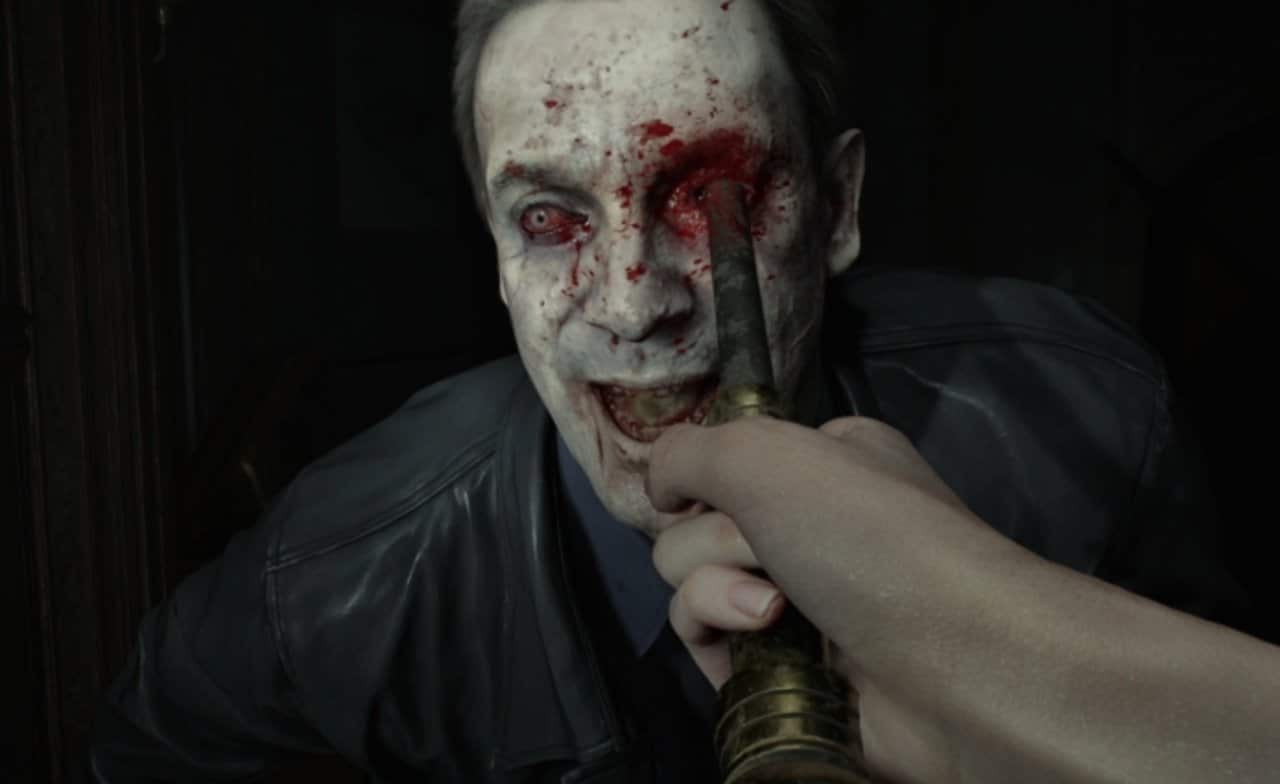
Japanese developer Capcom has implemented a comprehensive internal restructuring plan with the aim of ensuring a continuous flow of releases for the Resident Evil franchise throughout the current decade. The corporate strategy establishes the simultaneous production of new mainline titles and the recreation of classic games, aiming to keep the brand in evidence in the global digital entertainment market. Planning requires strict coordination between different development teams to avoid long periods of no news for consumers.
Internal documents and reports from the technology sector indicate that the company divided its specialists into multiple smaller, highly specialized studios. Essa structural reorganization has the direct purpose of mitigating interruptions in the flow of releases, a recurring problem in the high-budget games industry. The board established strict operational guidelines so that projects do not suffer significant delays, maintaining the annual or semi-annual cadence of products associated with the brand.
A fundamental part of this new commercial approach is the almost total transition to the digital market, prioritizing online distribution over physical media. Essa logistical maneuver substantially reduces manufacturing, transportation and storage costs, increasing the profit margin per unit sold. The change in business model also allows for stricter control over sales campaigns and direct promotions on digital platforms.
Transition to the digital market and effect on sales
The focus on digital distribution makes it easier to constantly update products and implement quick fixes, ensuring more efficient software maintenance after launch. The developer plans to use the financial resources saved from physical logistics to reinvest directly in the production budget of upcoming titles. Essa reallocation of capital ensures that the technical standard required by the current market is achieved without compromising the financial health of the studios involved, creating a self-sustainable development ecosystem that is less dependent on physical intermediaries.
In the current economic scenario, where the minimum wage in force in 2026 is R$1,621, the cost of acquiring digital entertainment requires more efficient commercial strategies on the part of developers to keep the player base active and engaged. Eliminating physical media costs allows the company to offer more aggressive promotions in online stores, reaching a broader audience in emerging markets. Essa pricing flexibility, combined with the immediate availability of games, consolidates the corporation’s long-term strategy to dominate the survival horror segment.
Calendar of recreations and modernization of classics
The recreation of old titles in the franchise is based on updating graphic systems and adapting narratives for contemporary audiences. The company utilizes its proprietary graphics engine to ensure visuals achieve photorealism, while gameplay mechanics are altered to suit current control standards. The fixed camera, a hallmark of the first games, is definitely replaced by the third-person over-the-shoulder view.
The design teams work on the premise of maintaining the original atmosphere of tension, but removing gameplay elements considered obsolete by modern standards. Isso includes a complete overhaul of puzzles, a substantial improvement in the artificial intelligence of enemies, and the expansion of scenarios that were previously limited by the hardware restrictions of past generations. The central objective is to create a fluid experience that appeals to both veteran players and new consumers.
Development planning points to the launch of a recreated version of Resident Evil Code: The narrative, which involves central elements of the series’ mythology, will undergo revisions to align with events established in previous remakes.
Next, the company plans to make the recreation of Resident Evil Zero available, scheduled for the year 2028. Technical information suggests that the original mechanic of switching between two protagonists in real time will be removed or drastically changed. The production team focuses on a single player experience, redesigning enemy encounters and progression through scenarios to compensate for the absence of the partnership system.
Open world innovations in the ninth chapter of the franchise
The ninth chapter of the main series, currently in an advanced stage of production, is treated internally as the highest budget project ever approved by the company. The game aims to close recent narrative arcs and establish a new foundation for the future of intellectual property. The game’s structure abandons strictly linear progression in favor of broad, interconnected scenarios, allowing greater freedom of exploration.
The implementation of open areas requires significant changes to enemy behavior and resource distribution across the map. Artificial intelligence is being programmed to organically pursue the player over long distances, eliminating the traditional safe zones that existed in previous titles. The map design encourages navigating alternative routes and discovering optional locations.
These optional locations complement the main story and offer rewards essential for survival in a hostile environment. The transition to an open-world format represents the franchise’s biggest mechanical leap since the adoption of the first-person camera, requiring careful balancing to not lose the essence of survival horror that defines the brand.
Planning for the next decade and creative renewal
In parallel with current development, the conceptual planning phase for the tenth game in the series has already begun, with a projected release window of 2029. Este title is discussed behind the scenes as a soft reset point for the franchise, introducing new protagonists and moving away from plots established over the last two decades. The creative direction seeks references in contemporary horror works to renew the product’s identity.
The transition between the ninth and tenth games will mark a significant generational shift within the studio, with younger directors taking creative control of projects. The company’s management supports this renewal of talent as a strictly necessary measure to avoid the stagnation of the formula and ensure the brand’s relevance against competitors in the survival horror genre in the global market.
Technological update with the implementation of the graphics engine
To support the expansion of scenarios and the visual complexity required by new projects, the company’s technology division is conducting a deep update to its graphics engine, which will be called REX Engine. The new software architecture is specifically designed to manage the loading of high-resolution textures in open-world environments without experiencing frame rate drops. The system significantly improves global illumination rendering and fluid physics, elements considered essential for building immersive and realistic atmospheres. The transition to REX Engine also aims to optimize the workflow of programmers and artists by reducing the time required to compile daily data. Essa change facilitates the import of complex three-dimensional models and speeds design iteration during critical production phases. Essa technical efficiency is the fundamental pillar that supports the company’s goal of maintaining frequent releases without overloading development teams. Além Furthermore, the new technology ensures that the technical stability of final products is not compromised, delivering a polished experience from the first day of sale. The modernization of internal tools reflects the corporation’s commitment to remaining at the technological forefront of the digital entertainment industry.
Strict quality control in the studios
Internal policy categorically determines that no product is launched with technical flaws that harm the end consumer’s experience. Project directors have full autonomy to postpone release dates if quality test reports indicate optimization issues or critical bugs. The company prefers to extend the development cycle and bear additional operational costs rather than face negative repercussions that could devalue intellectual property in the long term.
Expansion of intellectual property to new media
In addition to the primary focus on electronic games, the licensing department actively manages the brand’s expansion into digital animation and various consumer products. Production guidelines require that any audiovisual adaptation maintain strict visual and narrative fidelity to recent games, avoiding discrepancies that could confuse the fan base.
The centralized control of these parallel productions aims to unify the franchise’s identity across all media platforms available on the market. Essa strategy ensures that the public immediately recognizes the aesthetic standard and narrative tone of the work, regardless of the format consumed, strengthening the brand’s global presence in pop culture.



