
Apple withdraws three iPhone models from the market to prioritize devices with artificial intelligence
The North American technology giant confirmed the restructuring of its smartphone line with the end of manufacturing of three specific devices. The models that are no longer produced in Asian factories are the iPhone 14, the iPhone 14 Plus and the third generation of the iPhone SE. The operational measure aims to align the company’s portfolio with new requirements for advanced processing and standardization of global components.
The strategic decision occurs at a time of profound transition in the telecommunications sector, which begins to require much more robust hardware for processing local data. The manufacturer’s focus now turns entirely to the native integration of machine learning tools and neural networks directly into devices, eliminating dependence on external servers for complex computing tasks.
With the removal of these devices from the assembly lines, the company is reducing its entry-level and intermediate options from previous generations. Consumers looking for devices from the brand will find in official stores a catalog focused on recent generations, designed from the drawing board to support the heaviest software updates that are being implemented in the company’s mobile ecosystem.
Learn more: New Apple system update optimizes urgent task management for iPhone users
Standardization of connections and international standards
One of the technical factors driving the discontinuation of these specific models is the definitive transition to the USB-C connection standard across the entire product line. The devices removed from production still used the Lightning port, a proprietary technology that accompanied the brand’s smartphones for more than a decade. The structural change meets strict international regulations, especially the guidelines established by the European parliament, which require the adoption of a universal charger to reduce the volume of electronic waste generated annually.
The standardization of connectors facilitates the user’s routine, who now uses a single cable format to recharge phones, tablets, headphones and portable computers. Além of logistical convenience, the adoption of USB-C in the latest models allows for significantly higher data transfer rates and more efficient charging. Essa is a fundamental technical requirement for professionals who deal with ultra-high-resolution video files and large volumes of daily information that need to be moved quickly between physical devices.
Technical requirements for the new ecosystem
The main driver of this catalog restructuring is the implementation of the Apple Intelligence system. New software features require raw processing power that older silicon chips simply cannot deliver efficiently and quickly.
Discontinued models operate with the A15 Bionic processor. While Embora is a highly capable component for everyday tasks, media consumption and standard navigation, it has limitations in its architecture for running complex language models and image generation directly on the device.
For artificial intelligence tools to work smoothly and guarantee user privacy, the manufacturer established that new devices need chips from the A17 Pro or A18 family. Estes semiconductors have dedicated and substantially expanded neural processing units.
Another technical bottleneck overcome with the new production line is the amount of RAM memory. Previous generations had smaller capacities, which are insufficient to keep advanced algorithms active in the background without compromising the operating system’s overall performance and battery life.
Product catalog simplification
The removal of the iPhone 14, its Plus version and the third-generation SE model solves a logistical and commercial problem of overlapping products on shelves. Anteriormente, the small price difference and the very close specifications between multiple generations caused confusion when making purchasing decisions for the average consumer.
On the same topic: New foldable iPhone could boost Apple shares, but doesn’t solve the company’s challenges
By reducing the hardware offering, the manufacturer creates a clearer and more objective price ladder, directing the customer to devices that offer a complete user experience. The commercial strategy ensures that the brand’s perceived value remains high, avoiding frustration from users who would try to use new software features on outdated hardware.
The space left by the third generation SE model indicates the preparation of the manufacturing site for future launches of entry-level devices. The market expectation is that the next more accessible models will be born fully compatible with new artificial intelligence technologies, forcing a natural update of the active user base.
Maintaining official technical support
The interruption in manufacturing does not mean the end of useful life for the millions of devices that are already in the hands of consumers around the world. The company’s standard policy guarantees a long and stable support cycle, offering full iOS operating system updates for a period that generally ranges from five to six years after the device’s original release on the market. Mesmo After major system updates are completed, phones continue to receive vulnerability patch packages and critical security updates periodically. Isso ensures that iPhone 14 and iPhone SE 3 owners can use their smartphones for banking, corporate communication and storing sensitive data with full protection against intrusions for many years. Physical infrastructure services, such as battery replacement, repair of cracked screens and replacement of internal components, also remain fully active at authorized technical assistance centers and official stores. Essa continuity of service respects global consumer law legislation and meets the company’s own sustainability goals, which encourages prolonged use of electronic equipment before final disposal or recycling of its precious materials.
Evolution of software design and integration
The current movement to stop these assembly lines prepares the complex global supply chain for the next generations of smartphones. Future engineering designs demand different internal components, more efficient variable refresh rate displays, and batteries optimized for constant consumption of uninterrupted neural processing.
The company’s product engineering now treats artificial intelligence not just as a secondary application, but as the fundamental core of the operating system. Isso requires a perfect synergy between the physical design of the device, the heat dissipation modules and the miniaturized architecture of the motherboard.
Dynamics of the used appliances market
The end of official production immediately boosts the secondary smartphone market. Lojistas independent and refurbished device sales platforms tend to register an increase in demand for these specific models, as they become the most accessible options for those who want to join the brand’s ecosystem without purchasing high-cost releases. Remaining stocks in large retail chains will continue to be sold until the units already manufactured are completely exhausted.
Read also: Tim Cook reveals new iPhone and iPod prototypes in celebration of Apple’s fiftieth anniversary
Movement in the mobile device industry
The restructuring of the company’s portfolio reflects a broad and irreversible trend in the global technology market. Fabricantes competitors around the world are also quickly adjusting their production lines to focus on premium and mid-range devices capable of running artificial intelligence autonomously and without network delays.
The current technology race in the mobility sector is no longer just based on the megapixel count of cameras or the dimensions of screens. The competitive differentiator now lies in the device’s ability to anticipate the user’s daily needs, organize information intelligently and operate as a proactive, secure and highly responsive virtual assistant.
More news in News (EN)
See more → Samsung releases new system update with new features for Galaxy Watch 4 users
 Digital retail reduces the value of the Galaxy S25 5G smartphone with bank bonuses and device exchange
 Amazon’s wireless CarPlay adapter has a 50% discount and high approval ratings from drivers
 Zach Cregger’s new Resident Evil ignores games and focuses on an unprecedented story with new characters
 Rumor suggests that Nintendo is preparing a special edition of the Switch 2 with a remake of Ocarina of Time
 Apple accelerates production of the iPhone 17e and develops new Air model with dual camera system
 Epic Games platform releases twelve high-budget games at no permanent cost for PC users
 PlayStation 5 Pro price drop accelerates digital retail sales and eliminates global stocks
 New Galaxy Watch 9 firmware appears on server and confirms progress in software development
 Apple’s commemorative project tests cell phone with 1.1 millimeter edge and curved screen for 2027
 New Apple system update optimizes urgent task management for iPhone users
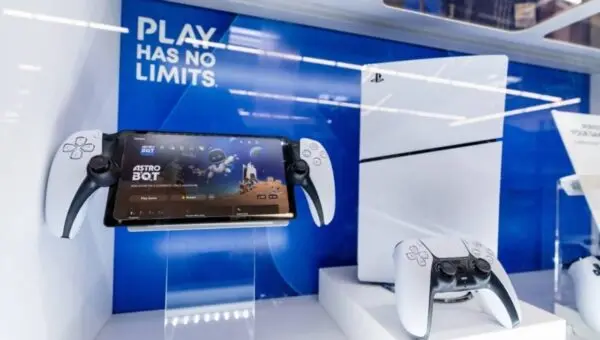 Leak details hardware of the new portable PlayStation with superior graphics to the Xbox Series S
More news on Mix Vale
- 1Colby Minifie confirms Ashley Barrett’s powers in The Boys season five
- 2Napoli x Milan in Serie A with confirmed lineups and where to watch live
- 3New battery test puts Galaxy S26 Ultra ahead of iPhone 17 Pro Max in global ranking
- 4Research reveals that parents are unaware of how their children use artificial intelligence
- 5Oppo officially launches the Find X9 Ultra worldwide with Hasselblad lenses and robust battery
- 6Tim Cook reveals new iPhone and iPod prototypes in celebration of Apple’s fiftieth anniversary
- 7New edition of foldable smartphone brings gold finish to Winter Games competitors
- 8Android system receives native Gemini Nano 4 integration for offline processing on smartphones
- 9Samsung updates QuickStar module and expands visual control of the panel in the One UI 8.5 interface
- 10Leak reveals Lords of the Fallen and Sword Art Online in April’s PS Plus Essential catalog