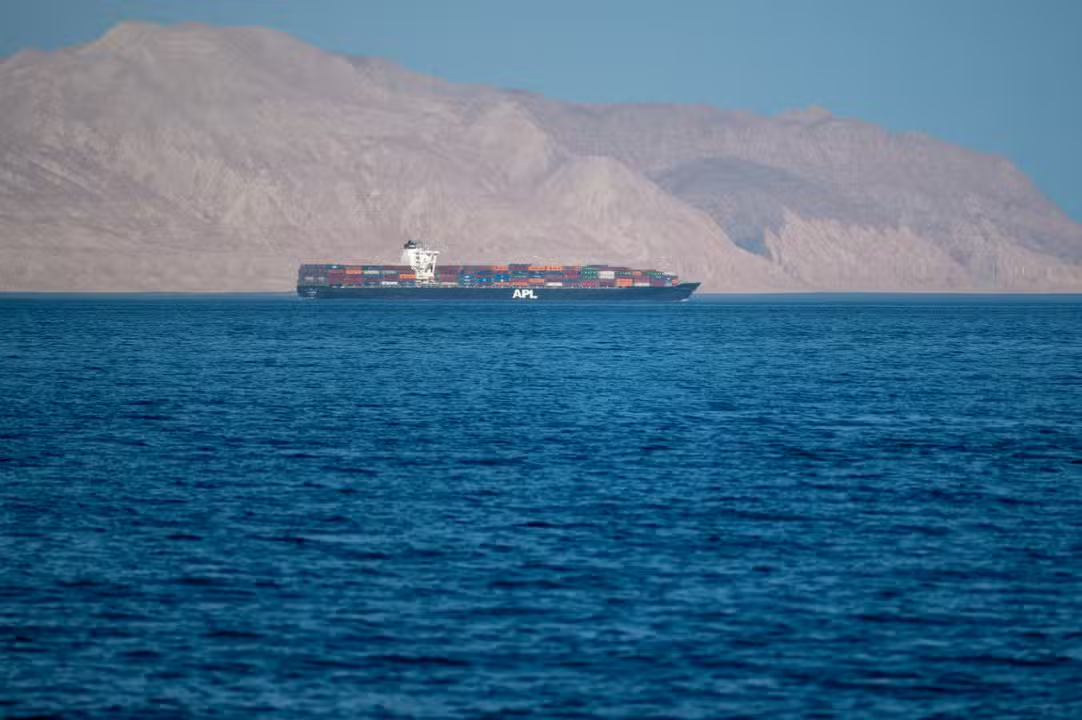
The pressure exerted by the Estados Unidos on their allies and regional powers to ensure the safety of navigation in crucial sea lanes, such as the Estreito of Ormuz, continues to shape the global geopolitical landscape. Especialistas in foreign policy and security point out that nations like Japão find themselves at a crossroads, where the decision of whether or not to send their Forças of Autodefesa to the region could have significant implications for their alliances and sovereignty.
The situation becomes more complex when the Estados Unidos also turn to the China, requesting participation in maritime security efforts. Este movement, which seeks expanded cooperation, can redefine power dynamics and diplomatic relations between the main world powers, especially if there are refusals or selective cooperation. The sensitivity of the issue requires an in-depth analysis of the consequences for each country involved.
The Estreito of Ormuz and its global strategic importance
The Estreito of Ormuz represents one of the world’s most vital maritime chokepoints, through which a substantial portion of global oil and natural gas transits. Sua’s strategic location between Golfo Pérsico and Golfo of Omã makes it indispensable for the flow of energy that fuels economies across the planet, especially in Ásia and Qualquer interruption or threat to navigation in this passage has the potential to trigger large-scale economic and geopolitical crises.
The security of this sea lane is a constant concern for oil-dependent nations of Oriente Médio, such as Japão, China and Coreia of Sul, who need uninterrupted transit to sustain their industries and populations. The vulnerability of the strait to acts of hostility or blockades creates a scenario of uncertainty that requires a robust naval presence and international coordination for its protection. The fragility of the global supply chain amplifies the urgency to maintain stability in the region.
The dilemma of Japão in the face of the US request
The Japanese nation finds itself in a delicate position in the face of the North American request to send its Forças of Autodefesa (FAD) to the region of Estreito of Ormuz. Article 9 of the Japanese Constituição, which renounces war and prohibits the maintenance of armed forces with warlike potential, imposes significant restrictions on military operations abroad. Embora Recent interpretations have allowed collective self-defense missions and logistical support, direct deployment in a potential conflict zone generates intense debates in the country.
Kenji Minemura, specialist at Canon Institute for The refusal could be interpreted by the Estados Unidos as a failure to fulfill its obligations as a strategic ally, which in turn could result in a rapid chilling of bilateral relations. Esta tension would be particularly problematic at a time when Japão regional security, including sensitive issues such as Ilhas Senkaku and the scenario in Taiwan, depends heavily on American support.
The US strategy to include China in the pressure
The inclusion of China in the call for a naval contribution to the security of Estreito from Ormuz represents a notable strategic move on the part of the Estados Unidos. Tradicionalmente, China maintains complex relationships with Irã, which positions it as an actor with significant influence in the region. Pedir to China to participate in a maritime security operation aimed, in part, at containing perceived threats from Teerã, adds a layer of complexity to international dynamics.
Shin Kazama, former commentator, suggests that the issue of Ormuz is dragging on and that attacks in the region should cease so that navigation security is guaranteed. However, Shigeru Eguchi TV’s perspective points to a deeper intention in the American approach. China’s involvement in the appeal could be a tactic to boost negotiations on other fronts, such as trade agreements or broader geopolitical issues between the world’s two largest economies.
Risks and consequences of a Japanese refusal
The potential refusal of Japão to send its Forças of Autodefesa to the Estreito of Ormuz carries substantial risks. Além the aforementioned cooling of relations with the Estados Unidos, there is concern that Washington may reevaluate its commitment to defending the Japão. The philosophy of “you must take care of your own defense” could gain strength, forcing the Japão to take on a greater burden for its own security, which would imply significant budgetary and doctrinal changes to its defense policies.
Even more serious, the deterioration of the Sino-American relationship, if China chooses to cooperate with the US in Ormuz and Japão does not, could isolate Tóquio in an already tense regional scenario. Este scenario could create a security gap in Ásia, destabilizing alliances and encouraging regional actors to test the limits of American influence. The Japanese decision, therefore, goes far beyond a simple military deployment; it resonates throughout its long-term foreign policy and security strategy.
The economic scenario and the threat of lockdown
The scenario of a “de facto blockade” in Estreito of Ormuz, as suggested by experts, has direct and severe economic repercussions. The interruption of the flow of oil would directly impact fuel prices, increasing the costs of gasoline and diesel across the world. The Japão, highly dependent on energy imports, would be one of the first to feel the shock, with widespread increases in transportation costs, production and, consequently, in the prices of consumer goods, from basic foods like rice to plastics and other manufactured products.
These increases could lead to galloping inflation, eroding the population’s purchasing power and putting the economic stability of several nations at risk. Postos of gasoline in large cities, for example, have already witnessed historic price spikes in scenarios of geopolitical tension, indicating the fragility of the supply system. Mesmo with possible government subsidies, the economic pressure would be immense and prolonged, affecting all sectors of the economy and the daily lives of citizens.
The evolution of Forças from Autodefesa and Japanese pacifism
The discussion about sending Japanese Forças and Autodefesa to overseas missions reflects a continuous evolution in the interpretation of their pacifist Constituição. Originalmente designed strictly for the defense of national territory, the FADs have, over the decades, assumed broader roles, including participation in UN peacekeeping missions and humanitarian aid operations. Contudo, involvement in a maritime security operation in a potentially warlike context represents a significant and controversial step.
This paradigm shift is driven by a combination of factors, including increasing pressure from allies, regional security threats, and the need to protect its own vital economic interests. The internal debate within Japão is complex, with strong voices defending the maintenance of the pacifist ideal and others arguing for the need for a more proactive role in global security. The final decision, therefore, will have to balance these desires and geopolitical realities.
The developments of a possible US-China summit
The mention of a possible US-China summit, even in the context of an assessment of past events, highlights the interconnectedness of geopolitical issues. If the Estados Unidos use pressure on Ormuz as a bargaining chip, the outcome of such negotiations could influence not only maritime security, but also other areas of dispute between the two powers, such as trade, technology and regional influence. The dynamics between Washington and Pequim are a determining factor in global stability.
Cooperation or friction between the US and China directly impacts the ability to respond to international crises. In a scenario where Japão feels compelled to make a difficult decision, the unfolding of relations between the world’s two largest economies has the potential to ease or intensify tension over Tóquio. The results of any high-level dialogue between the Estados Unidos and the China will be closely watched by nations around the world, looking for clues about the future of the global order.
The future perspective on energy security
In the longer term, the current scenario in Estreito of Ormuz and the pressure on nations such as Japão and As the world seeks to transition to more sustainable energy sources, dependence on fossil fuels and the transport routes that carry them remains an unavoidable reality in the short and medium term. Isso maintains the Golfo Pérsico region as a focus of strategic attention.
Nations will need to continue to develop multifaceted strategies that combine diplomacy, defense, and diversification of energy sources and routes to mitigate risks. Para o Japão, this means carefully navigating between the demands of your allies and your own constitutional constraints as you seek to ensure the prosperity of your economy. Para to China, represents a challenge to balance its energy and geopolitical interests with international pressure.