New Nintendo Switch 2 firmware update raises performance in handheld mode to dock level
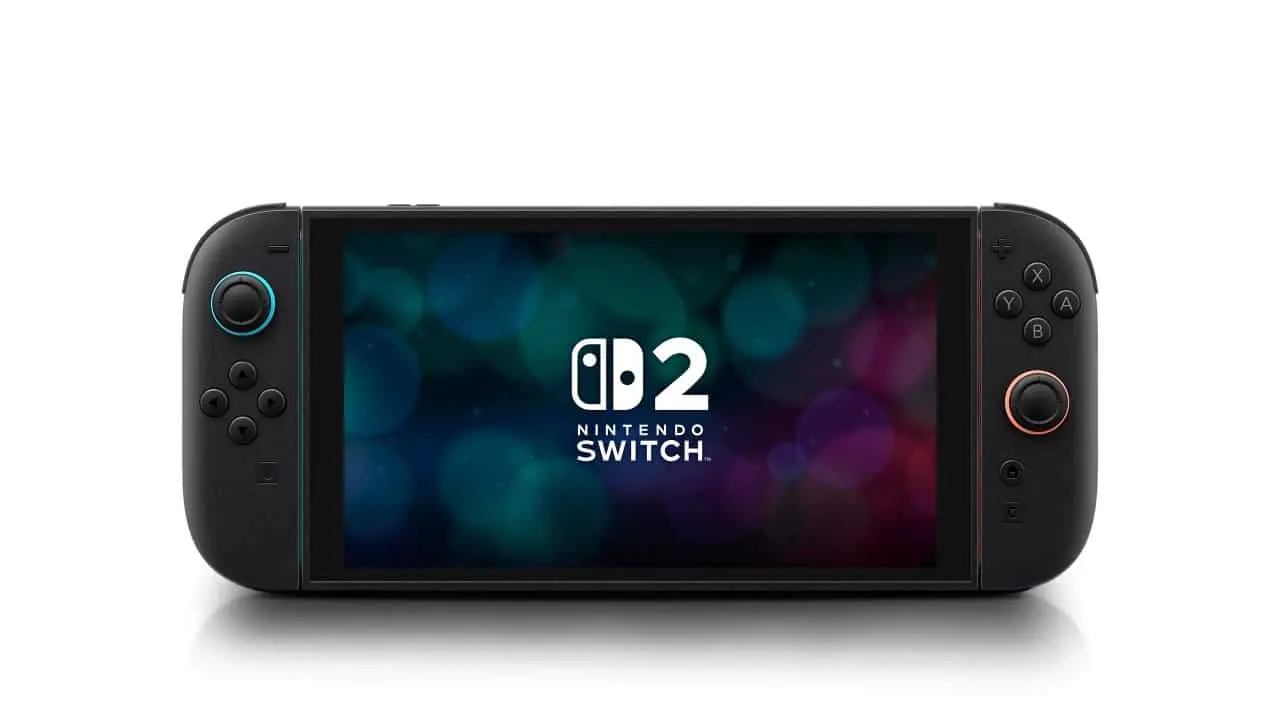
The Japanese video game maker has implemented a significant structural change to the operating system of its upcoming hybrid console. Version 22.0.0 of the base software introduces new hardware management parameters, specifically focused on using the device outside the charging base. The measure changes the operating dynamics of the main processor when the device operates only with energy from its internal battery.
The development of this update aims to narrow the technical gap that has historically existed between the gaming experience on television and use in a mobile format. Engenheiros software reconfigured the limits of power consumption and thermal dissipation, allowing internal components to reach substantially higher operating frequencies. The practical result is a graphical and logical processing capacity that approaches the standards established for stationary use.
The implementation of this feature meets a technical demand in the digital entertainment market, which increasingly demands greater visual fidelity on compact platforms. The activation of the new operating frequencies occurs through a specific function integrated into the system settings menu, transferring the decision on the balance between graphic quality and device autonomy to the user.
Technical documentation associated with the update indicates that the system architecture was prepared to support the increased workload without compromising the physical integrity of the components. Sensores Internal temperature and power distribution algorithms work together to stabilize the hardware during prolonged usage sessions under high processing demands.
On the same topic: Nintendo releases update 22.0.0 for Switch 2 with focus on portable performance and voice chat
Technical details of the new optimization mode
The main change brought by version 22.0.0 consists of the release of an energy profile internally called portable boost mode. Quando enabled, this profile authorizes the graphics processing unit to operate at clock speeds higher than the factory default limit established for off-base use. The change directly affects the console’s ability to render complex polygons and textures in real time.
The increase in operating frequency results in greater stability in the frame rate per second, especially in titles that require intensive physics and artificial intelligence processing. Quedas of performance that previously occurred in scenes with many simultaneous elements on the screen is mitigated by the extra calculation capacity released by the firmware update.
In addition to fluidity, the dynamic resolution used by various entertainment software can reach its maximum peaks more frequently. Isso means that the image displayed on the device’s integrated screen has more defined contours and less loss of visual quality during rapid camera transitions or character movement.
Learn more: Rumor suggests that Nintendo is preparing a special edition of the Switch 2 with a remake of Ocarina of Time
Direct impact on visual fluidity
The approximation of portable performance in relation to television mode changes the perception of quality of the software running on the device. Desenvolvedores of games now have a wider processing headroom to ensure that the visual experience designed for large screens is translated with minimal loss to the compact format.
System stress tests demonstrate that command response latency also shows marginal improvements under the new power profile. The synchronization between data input through the controls and the visual response on the screen becomes more consistent, a relevant technical factor for software that requires precision and quick reflexes from the operator.
Power management and autonomy
The increase in computational performance has direct implications for the consumption of the device’s internal battery. Operation at higher frequencies requires a proportionally greater electrical supply, which reduces the total time the device is used away from an external power source.
The operating system issues management notifications to inform the user of the increase in power drain when activating the high performance profile. The graphical interface provides real-time adjusted remaining time estimates based on the processing load required by the currently running software.
See Also


More on this story: Nintendo Switch 2 update 22.0.0 arrives with performance improvements and new functions for users
To deal with the heat generated by additional processing, the console’s active cooling system is activated with greater intensity. The rotation of the internal fan increases to ensure the exhaustion of hot air, which results in a higher acoustic noise level than that recorded in standard operating mode.
The flexibility of manual activation allows the operator to manage these factors according to the usage environment. In situations where immediate recharging is not possible, the user can disable the feature to prioritize battery longevity over maximum graphical fidelity.
Market strategy against the competition
The release of this processing capacity reflects a strategic move by the manufacturer to position its hardware competitively in the high-performance portable device segment. With the rise of compact gaming PCs offering robust technical specifications, the need to deliver a premium visual experience in the mobile format has become a key requirement for maintaining relevance in the industry. Optimization via software demonstrates the intention to extract the maximum potential from the architecture developed in partnership with semiconductor suppliers, ensuring that the product life cycle is supported by continuous efficiency updates.
Deep integration between the operating system and physical components allows the company to deliver tangible improvements without the immediate need for hardware revisions. The fine adjustment of the voltage and operating frequency curves demonstrates maturity in the technological platform. By enabling features that bring the two modes of use of the hybrid console closer together, the manufacturer reinforces the equipment’s original value proposition, which is the seamless transition between gaming environments, ensuring that the technical disparity between playing in the living room or on the go is as small as possible within the limitations of semiconductor physics.
Compatibilidade com títulos anteriores e arquitetura
Updating firmware also lays important technical groundwork for running software developed for previous generations of hardware. Increased processing power in handheld mode makes it easier to apply image filters and stabilize frame rates in games that originally had performance bottlenecks. The operating system architecture is designed to dynamically scale available resources, allowing legacy titles to identify extra processing headroom and utilize it to consistently maintain the target resolution. Este level of enhanced compatibility is managed by an instruction translation layer in the base software, which allocates additional power from the graphics processing unit without requiring modifications to the original game code. Intelligent resource management ensures that the existing software library benefits from new thermal and electrical specifications, providing a more refined and consistent user experience for consumers migrating from older platforms to the new hardware ecosystem.
Temperature control during extended sessions
Thermal monitoring serves as a primary safety mechanism under the new performance profile. Algoritmos of protection integrated into the 22.0.0 firmware automatically reduces the processor speed if the sensors detect temperatures close to the safe operating limit, preventing physical damage to the circuits and ensuring the integrity of the equipment in the long term.
Learn more: Nintendo Switch 2 introduces Handheld Mode Boost optimizing Switch 1 games for portable/desktop
Flexibility of use for different profiles
The introduction of selectable power profiles caters to a consumer base with varying needs. Operadores focused on visual quality can keep the feature activated permanently, while users on continuous transit have the option of preserving battery power using conservative factory settings.
The continued development of the operating system indicates that the relationship between hardware and software will continue to be refined. The ability to change fundamental operating parameters through network updates establishes a technical support model that adapts the device to the processing demands of future digital entertainment market releases.