Unprecedented update to Apple’s system allows data transfer for Android and rival watches

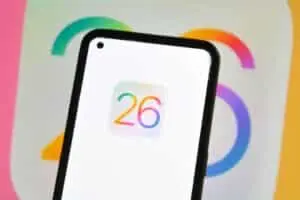
The Cupertino-based technology company has released the first test version of its latest mobile operating system, marking a significant change in its ecosystem policies. The update brings native tools that simplify the migration of personal information from a branded smartphone to competing devices, facilitating the transition for users who want to try new platforms.
This release occurs a few days after the distribution of the previous version and demonstrates an adaptation to new international regulatory requirements for interoperability. Registered developers and participants in the public testing program can now download the software package and try out the new features, which promise to change the dynamics of customer retention in the mobile device market.

The transition process between platforms requires compliance with some fundamental steps to ensure the integrity of files during movement:
- Disable OEM-exclusive communication services in settings.
- Establish a physical connection between the two devices using a compatible high-speed cable.
- Follow the guidelines displayed on the main interface to authorize copying directories.
- Validate complete receipt of the information packet on the new target device.
- Check the organization of media, documents and contact calendar in the new user interface.
The implementation of this mechanism drastically reduces the technical barriers faced by consumers who wish to switch manufacturers. The solution eliminates the need to install complex intermediary software or hire paid cloud storage services just to temporarily back up personal files.
On the same topic: IOS 26.5 arrives on iPhones with unprecedented protection for chats with Android
Settings menu structure
The new functionality was incorporated directly into the device’s general settings area, facilitating access for users with less technical experience in software maintenance. The virtual path requires just a few taps on the screen, directing the owner to a specific cell phone transfer and reset section, located at the bottom of the main menu.
When accessing this menu, the system presents a clean and intuitive interface that details exactly which categories of files will be moved during the extraction operation. The tool displays a time estimate based on the volume of gigabytes stored in flash memory, allowing the individual to plan the procedure without interrupting their daily activities abruptly or unexpectedly.
Moving essential files
The export mechanism prioritizes the transfer of data considered critical to the user’s routine, such as the contact book, phone call history and conversations in standard messaging applications. Photographs and videos captured by the camera are also packaged in universal formats, ensuring seamless playback on the rival system without loss of quality or metadata.
Learn more: Learn how to restrict artificial intelligence functions on WhatsApp
While the copy is running, the smartphone screen displays a real-time progress bar, temporarily blocking other heavy functions to prevent processor overheating and possible file corruption. Caso the cable connection suffers some physical instability, the software has an intelligent recovery system that resumes the transfer exactly from the point where it was interrupted.
This direct, wired approach replaces old methods that relied solely on unstable wireless connections or time-consuming uploads to remote servers. Transfer speed reaches high rates, taking advantage of the maximum capacity of the physical connection ports present in the most recent generations of the brand’s smartphones, optimizing total operation time.
Redirecting alerts to smart watches
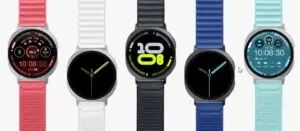
In addition to facilitating platform migration, the software update introduces a paradigm shift in communication with wearable accessories manufactured by other technology companies. The system now allows native sending of notifications, messages and app alerts to smartwatches from competing brands that dominate the sports and health monitoring market.
Configuring this new feature requires the user to access the notifications control panel and select the option to transfer alerts to third-party devices. Pairing occurs via the standard Bluetooth protocol, establishing a secure communication bridge that does not compromise the primary phone’s battery life during continuous use throughout the day.
See Also


More on this story: Practical guide to hide WhatsApp’s Meta AI and protect your personal data
An important technical characteristic of this function is the exclusive connection, operating with only one wearable accessory at a time to avoid conflicts in data reception and duplication of audible warnings. Quando redirection is activated, the brand’s proprietary smart watch temporarily stops receiving warnings, prioritizing the alternative equipment chosen by the consumer at that moment.
The measure directly benefits those involved in high-performance physical activities who prefer to use heart monitors and GPS watches from specialized brands, but who maintain the use of their main smartphone. The integration raises the level of usability of these accessories, which previously depended on applications running in the background with functionalities severely limited by the restrictions of the operating system.
Security protocols during the transition
The opening of the ecosystem for communication with external platforms raised questions about maintaining the rigorous privacy standards that characterize the manufacturer in the global market. To mitigate these risks, the software engineering team implemented layers of end-to-end encryption throughout the process of extracting and sending data packets via cable. The system requires advanced biometric authentication, whether by facial recognition or fingerprint reading, before authorizing the start of any mass transfer, preventing malicious third parties from copying information from an unlocked device left on a table, for example.
In the case of communication with smart watches from other brands, the notification flow goes through a granular permissions filter, where the owner defines exactly which applications are authorized to send alerts to the wrist. Health data and fitness metrics collected by these third-party accessories also receive isolated treatment, being integrated into the smartphone’s central health dashboard only with explicit consent, ensuring that the individual’s medical history remains stored locally and protected from unauthorized access or inappropriate sharing with advertising servers.
Interface evolution and processing intelligence
The update cycle of the current generation of the mobile operating system has been notable for the introduction of a renewed visual language and the incorporation of machine learning algorithms directly into the device’s processor, reducing dependence on the internet. Previous versions had already laid the groundwork for a more fluid and customizable interface, but the current test suite expands context understanding capabilities into native communication and everyday productivity applications. Ferramentas simultaneous translation, long text summarization and intelligent organization of the email inbox operate invisibly, processing information without the need to send requests to external servers, which speeds up response and protects privacy. Essa software architecture focuses on refining the consumer experience, prioritizing system stability and energy efficiency, while preparing the ground for deeper integrations with third-party natural language models expected in the coming months, consolidating a strategy that balances technological innovation with the retention of a loyal user base who seek practicality and security in a single digital ecosystem.
Guidelines for installing test packages
Information security experts and support technicians advise that the installation of preliminary versions of software be carried out exclusively on secondary or backup devices. Essa caution is necessary because test packages often present instabilities in the source code, which can cause unexpected closure of banking applications, failures in connection to mobile networks and accelerated battery consumption during the first weeks of intense use.
Learn more: Learn how to hide the WhatsApp virtual assistant and shield your data
Adapting to global market regulations
The relaxation of ecosystem barriers reflects a direct response to pressure exerted by regulatory bodies from different continents, which seek to promote fairer competition in the technology sector. The requirement for interoperability between different operating systems aims to ensure that consumers have complete freedom of choice, without being held hostage by proprietary file formats or exclusive hardware that make migration to competing brands difficult.
The release of the final, stable version containing all of these migration tools and third-party accessory support is scheduled to reach the general public in the coming weeks. The company will continue to monitor the performance of functions through reports generated by testers, applying bug fixes and performance optimizations before the global distribution of the update to all compatible devices in circulation.