Chinese regulatory body approves new foldable smartphone with 4,300 mAh battery and 25W recharge
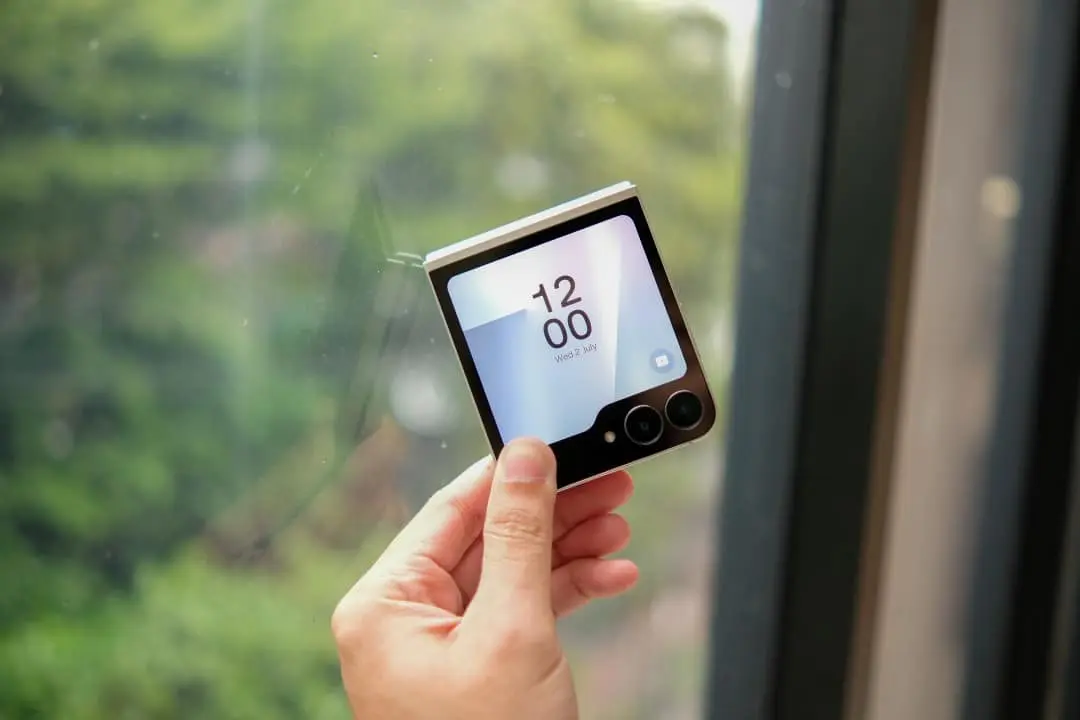
The Chinese regulatory body 3C has issued official documentation authorizing the commercialization of the next generation of the main foldable clamshell smartphone on the Asian market. The public record details the equipment’s primary technical specifications, evidencing an engineering approach that prioritizes operational stability over radical changes to power supply hardware. The South Korean manufacturer chose to maintain already consolidated components on the production line, transferring the weight of technological evolution to the efficiency of new semiconductors and the improvement of software resources embedded in the operating system.
The information extracted from the approval process confirms specific technical parameters that will guide the functioning of the new device. The documentation attests to the maintenance of maximum wired charging power, the implementation of a dual-cell battery system and the continued use of traditional chemical compounds. The absence of profound changes to the energy matrix indicates that the company has reached the physical limit of internal space available in the current articulated chassis format, making it impossible to insert physically larger modules without compromising the thickness or weight of the device during daily handling.
The data validated by the certification agency establishes the following points about the power structure of the mobile phone:
– Manutenção of the limit of energy transfer via cable set at 25W.
– Adoção with dual cell architecture with nominal capacity measured at 4,174 mAh.
– Utilização of standard lithium-ion batteries, without the presence of silicon-carbon compounds.
Power Supply Strategy and Standardization
The technical documentation confirms that the power transfer limit via cable will remain restricted to 25W, a specification identical to that found in the predecessor model. Esta decision demonstrates rigorous standardization in the company’s assembly line for this specific category of articulated devices. In the current mobile phone scenario, several competing manufacturers implement recharging systems that exceed the 80W mark, allowing the battery to be completely filled in just a few minutes. Maintaining the 25W standard reflects a corporate policy aimed at preserving the long-term chemical health of power cells by avoiding thermal stress.
Learn more: Chinese certification confirms Galaxy Z Flip 8 with 4,300 mAh battery and 25W charge maintained
The storage component maintains the dual-cell architecture, a design necessity imposed by the foldable format that requires the division of weight and volume between the two halves of the chassis. The real capacity measured by laboratory tests is 4,174 mAh, a number that will be commercially rounded and disclosed to the consumer public as 4,300 mAh. The stability in this specific number indicates that the engineers responsible for the project prioritized maintaining a thin and light design, avoiding accelerated wear caused by overheating inherent to very high power chargers that would require more robust and heavier thermal dissipation systems in the phone’s structure.
Analysis of the chemical composition of the modules
The global electronic components industry has seen a gradual and continuous transition to silicon-carbon batteries, an emerging technology that offers an energy density considerably higher than current technology market standards. Esta new chemical composition allows storing a greater amount of charge in the same physical space or, alternatively, reducing the size of the module while maintaining the same capacity, a highly desirable feature in the engineering of compact and foldable equipment. However, certification reports from the 3C body categorically rule out the presence of this new matrix in the brand’s next launch. The technical choice to maintain traditional batteries based on lithium ions is based on the historical reliability of the global supply chain and the strict control of production costs. Esta conservative decision ensures that the mobile device can be manufactured on a large scale to meet global demand without facing unforeseen logistical bottlenecks or quality control failures that could compromise the reputation of the manufacturer’s premium product line among the most demanding consumers.
Image capture system configuration
The equipment’s photographic set will not present any modifications to its physical light-gathering sensors. The rear module will continue to operate with a main lens equipped with a 50-megapixel sensor, working together with an ultra-wide-angle lens that has a fixed resolution of 12 megapixels.
The internal flexible screen will house the same 10-megapixel front sensor used in past generations off the assembly line. Este specific component remains the main responsible for making high definition video calls and capturing self-portraits when the device is fully unfolded.
Stagnation in optical hardware shifts responsibility for improvements in final image quality directly to Processador of Sinal of Imagem. The manufacturer is investing in the development of new computer processing algorithms to deliver sharper photographs with superior dynamic range in low-light environments.
More on this story: Technology giant develops new generation of premium smartphones with new chip and updated look
See Also


Performance driven by new semiconductors
The main technological update of the equipment resides in its central data processing unit. The device will be equipped with the new Snapdragon 8 Elite Gen 5 or Exynos 2600 processors, varying strictly according to the geographic region in which the product is sold.
The distribution of different processors follows the global logistics established by the manufacturer, which divides its consumer markets to optimize the mass production of semiconductors. Ambas the platforms represent the top of the line of current lithography in the mobility technology industry.
These new processing engines ensure that daily tasks are performed significantly faster and more stable. Opening heavy applications, rendering complex graphics in games and navigating the operating system interface will occur with superior fluidity.
On the same topic: Samsung Galaxy Z Flip 8 reveals charging and battery certification without drastic improvements
The thermal and energy efficiency of these new chips will act as the main factor to compensate for the absence of a physically larger battery. Intelligent power management at the processor level will allow the device to deliver more hours of active screen time to the end user throughout the day.
Neural processing and software features
The new processors integrate Unidades of Processamento Neural with exponentially greater mathematical calculation capacity than the previous generation. Este dedicated hardware allows the operating system to perform complex artificial intelligence tasks locally, eliminating the need to send sensitive data to external cloud servers for processing. Funções advanced features such as simultaneous translation of voice calls, generative editing of high-resolution photographs and real-time audio transcription will work instantly and with a high level of accuracy.
System resource management via artificial intelligence will also act directly on reducing daily energy consumption. The embedded software will learn the owner’s continuous usage patterns, automatically suspending background applications that are not used frequently and dynamically adjusting the screen refresh rate. Esta deep code optimization becomes the main selling point of the equipment in the global mobile technology market.
Positioning in the flexible devices sector
The international telephony market with flexible screens has reached a level of industrial maturity where annual disruptive innovations give way to incremental usability refinements. The corporate strategy of keeping battery and camera specifications unchanged while upgrading internal processing power demonstrates a clear focus on physical durability and long-term product reliability. Companies in the sector direct their engineering efforts to make articulated screen technology more resistant to mechanical failures, seeking to attract consumers who value functional equipment over the search for extreme specifications that increase the final production cost.
User profile and equipment longevity
The technical configuration revealed by the certification documents positions the new device as a structured transition option for owners of traditional bar-shaped smartphones. The combination of a physical format already consolidated in the market with state-of-the-art data processing offers a safe entry point into the category of devices with foldable screens, minimizing the risks associated with the adoption of new technologies.
More on this story: New Samsung Galaxy S26 Ultra transforms smartphone market with advanced chip and artificial intelligence
The hardware selected to make up the device’s motherboard ensures extended operational longevity through future software updates. The excess processing power provided by the new chips ensures that the phone will maintain satisfactory performance for years to come of continuous use, meeting the demands of applications that will become progressively heavier and more complex in online stores.