

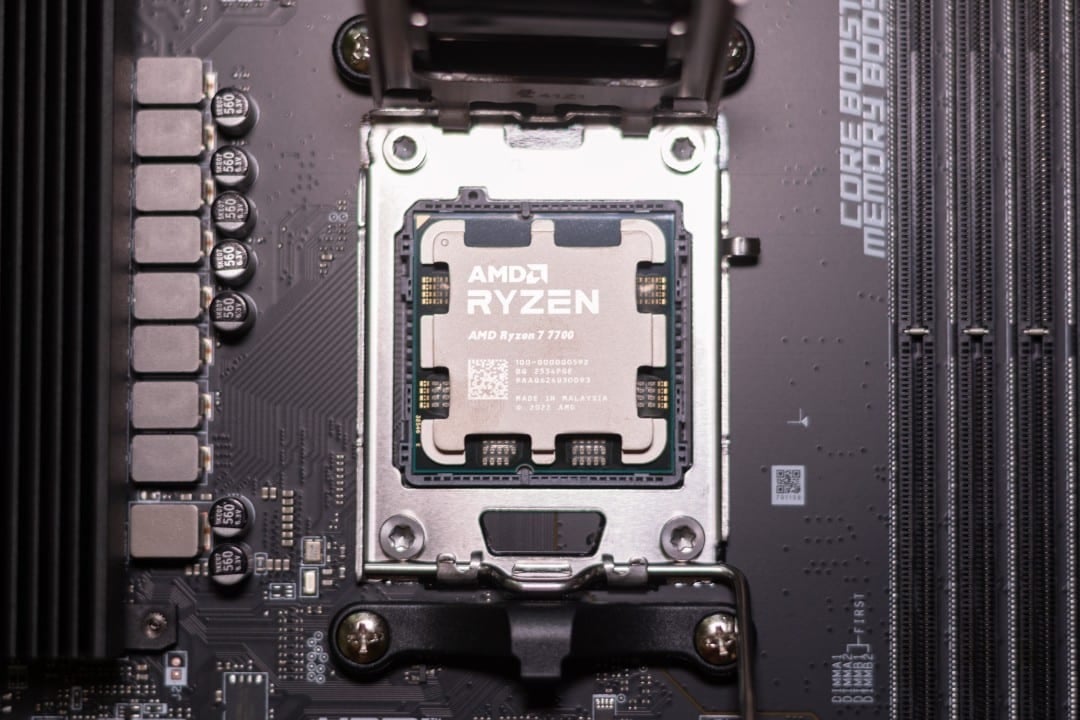
The semiconductor manufacturer has implemented a new commercial strategy aimed at its high-performance hardware line. The move aims to accelerate consumers’ transition to the latest architecture available on the desktop computer market. The measure involves adjustments in the amounts charged for essential components for assembling advanced machines, facilitating access to cutting-edge technologies.
The change directly affects technology enthusiasts and system builders who have been waiting for an opportune moment to update their equipment. With the reduction in acquisition costs, the barrier to entry for the next generation ecosystem decreases considerably. The initiative seeks to consolidate the user base on an updated technological standard, ensuring that more people have access to modern processing resources.
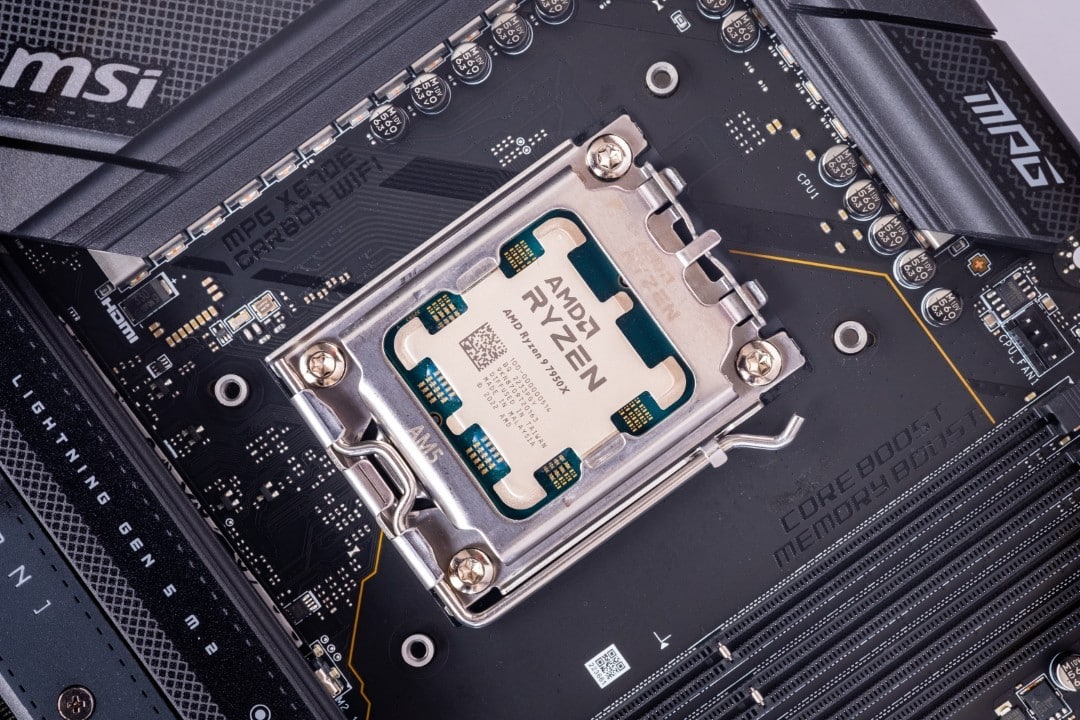
Components benefiting from this market overhaul include processing units equipped with memory stacking innovations. Essa change in market positioning reflects the competitive dynamics of the hardware sector, where the rapid adoption of new platforms dictates the pace of software development and compatible peripherals. The strategy aims to create an environment conducive to the standardization of new memory formats and communication buses.
Technical specifications and capabilities of advanced models
The Ryzen 9 9900X3D processor appears as one of the most robust options within this new market policy, presenting an adjusted value that makes it more accessible compared to previous launch standards. Este component is specifically designed to handle intense workloads, complex modeling, and heavy multitasking without introducing processing bottlenecks.
The internal architecture of this model has twelve physical cores and twenty-four processing threads, operating at a base frequency of 4.4 GHz.
The big technical difference lies in the allocation of 128 MB of L3 cache memory, distributed through an innovative three-dimensional design. Essa massive amount of ultra-fast memory located physically very close to the processing cores drastically reduces latency in internal data communication, accelerating access to information vital to the system’s functioning.
Another prominent model that received special attention in the restructuring of values is the Ryzen 7 9800X3D, specifically focused on delivering maximum fluidity in interactive graphic applications. With eight cores and sixteen threads, it operates at frequencies ranging from 4.7 GHz to 5.2 GHz in turbo mode, with 104 MB of total cache to optimize communication with the graphics card.
Direct impact of the three-dimensional cache on graphics processing
3D V-Cache technology represents a milestone in semiconductor engineering by physically stacking memory chips on top of the main processor die. Esse Advanced manufacturing method allows you to triple the temporary storage capacity without increasing the component’s physical area on the motherboard, while maintaining compatibility with existing sockets.
In practice, this technical innovation results in substantial performance gains at resolutions such as 1080p and 1440p, where the system’s processing limit often falls to the processor rather than the graphics card. The immediate availability of essential data prevents cores from being idle waiting for information from main RAM, which is considerably slower.
Stress tests and performance measurements indicate that the presence of this expanded cache can generate a significant increase in the fluidity of complex interactive applications. Além of increasing the overall average of frames displayed per second, the technology stabilizes minimum rates, eliminating momentary stutters during peaks of intense processing and ensuring a continuous visual experience.
Structural transition to the new generation of motherboards
Migrating to socket AM5 requires a complete replacement of the computer’s core assembly, including the motherboard and memory modules, which represents a significant structural change. However, the manufacturer has officially guaranteed that this infrastructure will receive continuous support and compatibility updates for new processors until at least the year 2027.
The new architecture abandons old standards and exclusively adopts DDR5 memory, which provides significantly higher bandwidths, essential to power the fast cores of modern processors. Simultaneamente, PCIe 5.0 bus integration sets the stage for the next generation of graphics cards and solid-state storage drives. Essa physical paradigm shift, moving from pin design on the processor to pins on the motherboard, also improves power delivery and electrical signal integrity at high frequencies.
Thermal requirements and necessary firmware updates
The high performance and density of the internal components, especially with the extra layer of memory cache, generate a considerable amount of heat that needs to be dissipated efficiently. The strict technical recommendation for the proper functioning of these processors is the use of liquid cooling systems with radiators of at least 240 millimeters, ensuring that temperatures remain at safe levels during prolonged operations.
Installation on 600 and 800 series motherboards requires attention to basic system software details. It is essential to update the BIOS to the latest version before physically installing the chip, ensuring that the board recognizes the new architecture and applies the correct voltages. Failure to do so may result in operational instability or the component not being recognized by the system.
Semiconductor market dynamics and consumer choices
The cost reduction strategy in the high performance line comes at a time of critical transition for the global technology industry. With the maturation of the manufacturing process and the stabilization of supply chains, companies seek to encourage the renewal of the technology park installed in homes and offices. Maintaining high prices in the previous generation served as a brake on the adoption of new technologies, but the current scenario requires an active user base on the new platform to justify heavy investments in research and development. The availability of advanced components at more competitive prices changes the planning of those who assemble computers, allowing part of the budget to be reallocated to more powerful video cards, higher efficiency power supplies or higher capacity storage, better balancing the system as a whole and boosting the hardware market in a comprehensive way.
Energy efficiency optimization and control tools
For users looking to extract maximum thermal and energy efficiency, the software tools provided by the manufacturer allow fine adjustments to the processor’s behavior. The use of advanced voltage curve optimization features makes it possible to reduce electrical consumption and operating temperatures without sacrificing final performance. Esse millimeter tuning process ensures that the processor operates within its ideal efficiency range, extending the life of the electronic component and reducing the acoustic demand on the computer’s cooling system, creating a quieter and more optimized working environment.



