

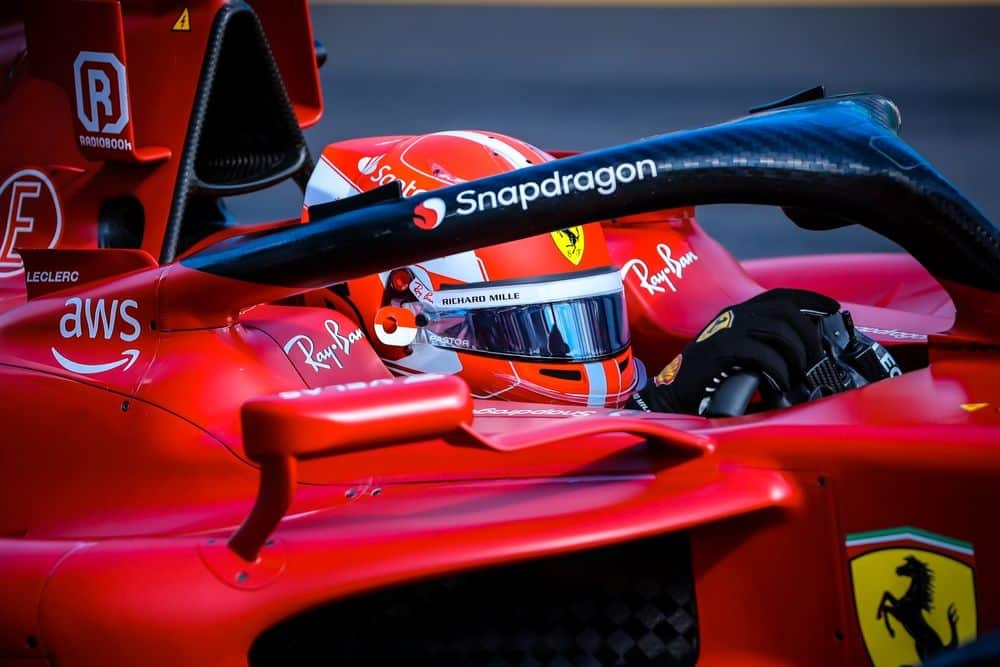
The Monegasque driver of Ferrari took a favorable stance in relation to the package of technical regulations stipulated to come into force in the next seasons of the world’s main motorsport championship. Enquanto important names on the grid expressed severe concerns about the behavior of future single-seaters, the representative of the Italian team highlighted that the innovations bring a level of complexity necessary for the evolution of the sport. The introduction of advanced power management and active aerodynamics systems has generated intense debates behind the scenes, dividing opinions on drivability and the quality of competition for positions on international tracks.
Technical changes and the impact on performance on the track
The technical restructuring requires a drastic change in the way teams design their competition vehicles. The main focus is on the equal division between the power generated by the internal combustion engine and the electrical energy provided by the recovery systems.
This structural change means that drivers will need to take different approaches during qualifying laps and full race distances. The need to save energy at specific moments of the track adds an unprecedented tactical layer to single-seater competitions.
Differences between competitors on the current grid
The most vocal criticism came from veteran competitors and current champions, who pointed out potential flaws in the initial development simulations. Relatos indicated that the cars could suffer sudden drops in performance on the straights due to the rapid depletion of high-capacity batteries.
Some competitors even described the experience in the simulators as frustrating, foreseeing the need for drastic speed reductions long before braking zones. Essa characteristic would force atypical defensive maneuvers and harm the natural flow of high-speed disputes.
On the other hand, the representative of Ferrari argued that the preliminary evaluations do not reflect the final product that will go on the asphalt. Ele emphasized that continued development in the factories will resolve most of the reported anomalies, transforming the technical challenge into an opportunity to overcome.
Energy management and racing strategies
The new set of rules eliminates complex components used in the current generation, simplifying parts of the powertrain to attract new manufacturers to the championship. Removing the thermal energy recovery system through the exhaust transfers all responsibility for electrical regeneration to the braking system.
This exclusive dependence on braking to recharge the batteries requires a complete resizing of the brakes and the weight distribution of the vehicles. Engineers work to ensure that storage capacity is sufficient to sustain performance over extensive circuits.
The racing strategy will fundamentally depend on where and how the accumulated energy will be released on the straights. Pilots will have to memorize specific power maps for each sector of the track, alternating between attack and conservation modes constantly.
Success on the track will be linked to the ability to quickly process information inside the cockpit during competitions. Communication with the pit wall will become even more vital to optimize battery usage without compromising the overall pace of the race.
Adaptation of pilots to new hybrid systems
Adapting to this new technological reality requires exhausting hours of work in virtual environments before real cars hit the asphalt in pre-season testing. State-of-the-art simulators operate at maximum capacity to replicate the exact conditions competitors will face, allowing them to fine-tune their reflexes and understand the limits of tire grip under different power settings. The learning process involves the deconstruction of habits acquired over years of riding, forcing technical reinvention on the part of elite athletes.
Teams that manage to decipher the dynamic behavior of the new chassis will have an invaluable competitive advantage in the first stages of the official calendar. The integration between the hybrid power unit and the redesigned chassis will dictate the pace of development, requiring close collaboration between the aerodynamics and engine engineering departments. The ability to respond quickly to problems identified in the initial tests will define the grid hierarchy and the chances of competing for the world title.
Aerodynamic changes and speed on straights
One of the pillars of the new regulations is the introduction of movable aerodynamic elements, designed to reduce drag on straights and increase downforce in corners. The system allows the front and rear wings to change their tilt angles simultaneously, creating different configurations depending on the section of the circuit. Essa functionality aims to compensate for the increased weight of larger batteries and ensure lap times remain competitive with previous generations of single-seaters. The transition between high-speed and high-grip modes will occur automatically in pre-determined zones, requiring absolute precision from the onboard hydraulic and electronic systems. The effectiveness of this technology will be tested on circuits with varying characteristics, from narrow street tracks to high-speed race tracks, where aerodynamic efficiency is the determining factor for success. The designers’ challenge is to ensure that the configuration change does not destabilize the car in an unpredictable way, maintaining the driver’s safety and confidence at maximum levels during overtaking maneuvers.
The federation’s position on innovations
The highest motorsport entity maintains an open dialogue with the teams to refine the details of the regulations before the final approval of the projects. Continuous Ajustes are carried out based on data provided by the teams’ simulators, aiming to avoid loopholes in the rules and guarantee a balanced level of competitiveness between all manufacturers involved in the championship.
Main modifications to single-seaters
The guidelines establish strict parameters for the construction of new competition models. The main structural changes include:
- Significant reduction in overall chassis dimensions, making cars shorter and narrower to facilitate overtaking on urban circuits.
- Reduction in the mandatory minimum weight, seeking to compensate for the additional mass of new high-capacity electrical components.
- Implementation of active aerodynamics with low drag modes for straights and high pressure for high speed corners.
- Increase in the proportion of electrical energy in the powertrain, equaling the power generated by the internal combustion engine.
- Exclusive use of fully sustainable fuels, aligning the sport with global goals for reducing carbon emissions.
Continuous development in team factories
Correlation work between virtual data and physical reality represents the biggest obstacle for engineers at this stage of technological development. The accuracy of the mathematical models used in the virtual wind tunnels will determine the feasibility of the aerodynamic concepts proposed by the design teams. Qualquer discrepancy between the simulation and the car’s real behavior on the track can result in months of delay in the update schedule and loss of performance.
The expectation surrounding the debut of these new vehicles moves technical departments and the driver market intensely. The promise of more competitive races and relevant technology for the automotive industry attracts the interest of large global corporations. The success of this transition is essential to maintain the championship’s relevance on the international sporting scene, ensuring financial sustainability and public engagement in the coming decades.