Motorola Edge 60 Neo battery analysis reaches almost 32 hours of use with 68 W fast recharge

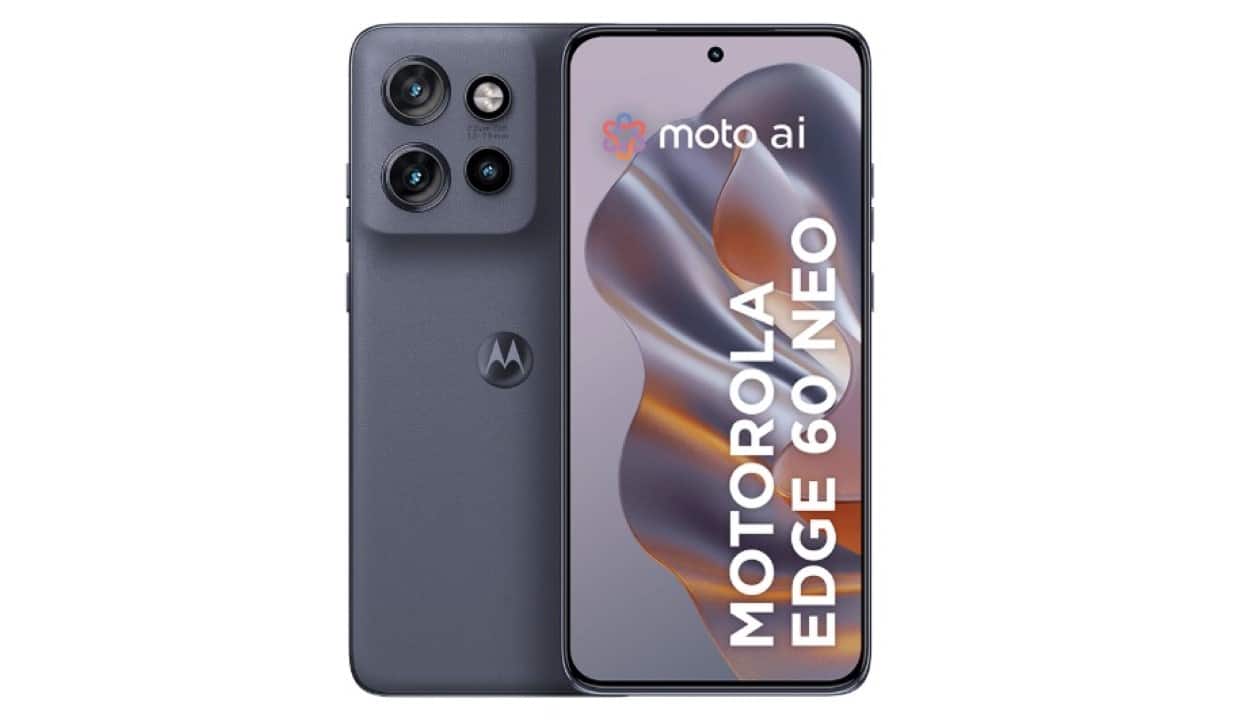
Motorola recently introduced the Edge 60 Neo smartphone to the Brazilian market, a device that combines compact design and robust technical specifications. The device arrives in the country equipped with a 5,000 mAh battery, a capacity slightly lower than the 5,200 mAh available in variants sold in other global regions.
This difference in specifications generated debates between consumers and technology experts about the device’s real energy performance in everyday use. Avaliações Standardized techniques were performed to measure the component’s ability to sustain system operations under different levels of processing stress and screen brightness.
The measurement results indicated that the cell phone managed to remain in operation for exactly 31 hours and 50 minutes before the charge was completely exhausted. The time recorded covers a mixed routine of internet browsing, audiovisual media consumption, exchanging messages and playing casual games.
Hardware specifications and impact on energy consumption
The smartphone’s technical set is led by a 6.4-inch pOLED screen that operates at Full HD+ resolution and has a refresh rate of 120 Hz. Este panel type is known for offering deep blacks and vibrant colors, as well as allowing for more efficient power management when the operating system’s dark mode is activated, as black pixels are literally turned off. The device’s engine is the MediaTek Dimensity 7400 processor, a chip developed with modern lithography that seeks to balance delivering high performance with battery savings during less demanding day-to-day tasks.
The memory configuration includes 12 GB of RAM and 512 GB of internal storage, numbers that guarantee fluidity when switching between multiple applications open simultaneously. The device also has a triple rear camera module, consisting of a 50 MP main sensor, a 13 MP ultrawide lens and a 10 MP telephoto lens, components that require energy spikes when recording high-resolution videos. Connectivity includes support for 5G, Wi-Fi 6E and Bluetooth 5.4 networks, technologies that require rigorous software management to not drain the load quickly when activated simultaneously.
Methodology applied in autonomy assessment
The battery testing protocol followed rigorous industry standards to simulate a real user’s behavior throughout the day. The evaluation consisted of timed execution of a list of popular applications, interspersed with periods of inactivity to measure consumption at rest.
To ensure accuracy and the possibility of direct comparison with other devices on the market, the screen brightness was fixed at an intermediate level and the network connections were stabilized. The usage cycle included messaging platforms, social networks, internet browsers and audio and video streaming services.
Applications such as WhatsApp, YouTube, Spotify and Google Chrome were used for pre-determined times in each round of testing. The evaluation also incorporated video game sessions, demanding more from the graphics processor with titles such as Pokémon Go, Asphalt 8 and Subway Surfers.
In addition to the active use of the screen, the measurement accounted for energy consumption in the background during times when the cell phone had its display turned off. Chamadas of voice on traditional mobile networks and switching between 3G and 4G antennas were also part of the scope of the technical analysis.
Detailed performance during operating cycles
During the evaluation procedure, the Motorola Edge 60 Neo managed to complete a total of 23 full cycles of use before experiencing automatic shutdown due to lack of power. One of the most relevant data extracted from this process was the active screen time, which reached the mark of 15 hours and 22 minutes, a strong indication of the efficiency of the pOLED panel combined with the thermal and energy management of the MediaTek processor. The consumption breakdown reveals that the device supported 138 continuous minutes of web browsing through the Google Chrome, in addition to a significant 690 minutes distributed between playing media on YouTube, listening to music on the Spotify and PowerAmp, and exchanging messages on WhatsApp. The time dedicated exclusively to graphic processing of various games totaled 138 minutes, demonstrating that the device can sustain processing peaks without showing abrupt drops in battery percentage, maintaining stability even under continuous stress.
Positioning against market competitors
The mark of almost 32 hours of total operation puts the device in a competitive position within the premium mid-range smartphone segment. The result directly surpassed the performance of rival devices in the same price range, such as the Redmi Note 14 Pro from Xiaomi, which showed faster exhaustion under the same conditions.
Despite the advantage over some direct competitors, the Motorola model recorded lower numbers when compared to specific options focused on extreme autonomy, such as the JOVI V50 Lite and the realme 14. The manufacturer itself has internal models in its portfolio that provide more time away from the socket.
The Edge 60 Fusion, for example, showed superior energy efficiency in the same standardized tests. Comparison with the previous generation, the Edge 50 Neo, which had only 4,300 mAh, revealed that the increase in nominal capacity to 5,000 mAh did not translate into a strictly proportional gain in hours of continuous use.
Operating system native power management
The energy efficiency of a modern smartphone does not depend exclusively on the physical size of its battery cell, but rather on its deep integration with the software. The Android 15 system, present in the factory device, acts directly to limit unnecessary processes that run in the background.
The operating system’s native management tools map the owner’s usage patterns over time. Isso allows the cell phone to suspend rarely used applications and direct the available load to priority functions, optimizing daily consumption automatically and silently.
Dynamics of fast charging technology
To compensate for any limitation in the battery’s total capacity during days of intense use, the manufacturer included a 68 W wall charger in the product box. Fast charging technology transforms the dynamics of use, allowing the user to recover large percentages of energy in short intervals of time.
The complete recharge process, starting from absolute zero until reaching 100%, takes approximately one hour plugged in. Ligar leaving the device on power for just fifteen minutes already provides enough charge to support several hours of browsing, music playback and basic communication.
User profile and daily mobility
The combination of balanced hardware with a fast recharging system serves consumers who have dynamic routines and require constant mobility. The device guarantees a full day of productivity and entertainment for users with a moderate profile, offering safe operation without the need to look for outlets during business hours.
Luís Henrique Costa é jornalista formado pela FMU, editor-chefe e fundador do Mix Vale, portal de notícias em atividade desde 2013. Responde pela direção editorial do veículo, que cobre Brasil e mundo em economia, benefícios sociais, esportes, tecnologia, ciência e entretenimento. Atua na área há mais de 15 anos e lidera uma equipe de cerca de 15 colaboradores.