

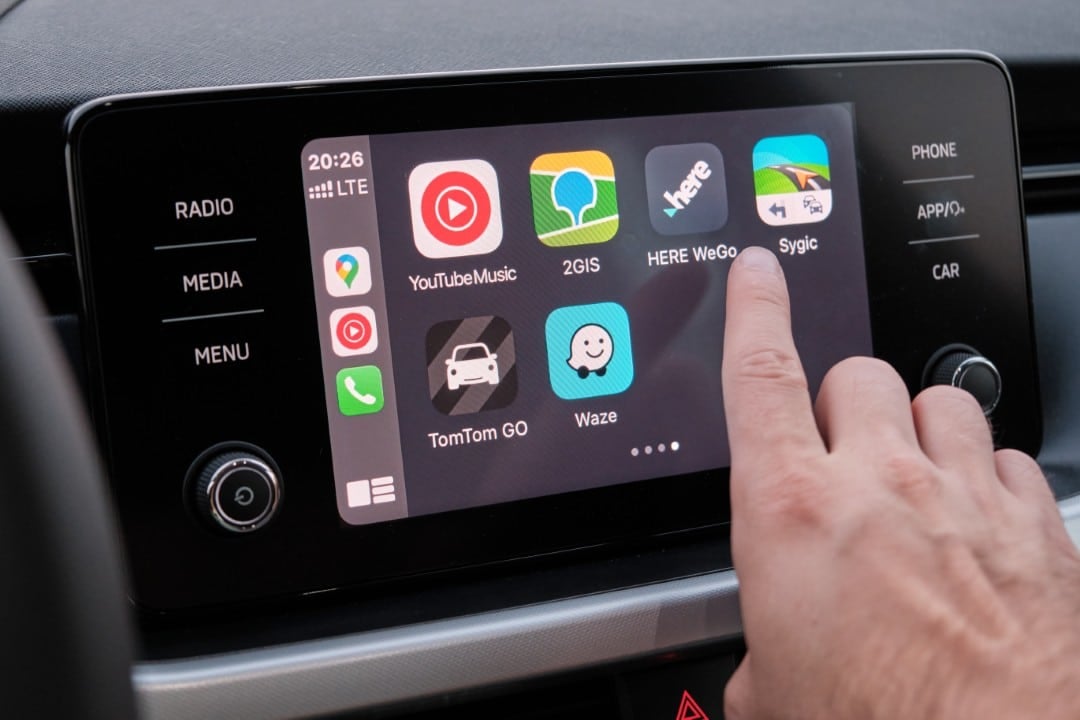
The internal architecture of modern vehicles has undergone a profound structural transformation, replacing traditional analog displays with highly complex data processing centers. The integration of mobile device operating systems directly into the car dashboard has changed driving dynamics, allowing the driver to access a vast digital ecosystem without the need to handle a cell phone. Esta Technological change acts directly to mitigate distracted driving, identified by traffic experts as one of the main causes of accidents on urban roads and highways. The vehicle stops being just a mechanical means of transport and becomes a connected extension of the user, processing information in real time to optimize travel logistics. The interface projected onto car screens is rigorously adapted to display only essential data, ensuring that the driver’s visual attention remains focused on the road. Continuous processing of geolocation algorithms and cloud connectivity redefines daily route planning. Automotive engineering focuses its efforts on creating an environment where the machine takes on the cognitive load of navigation and planning.
A recent update to these automotive operating systems introduced improved compatibility with five specific categories of applications, developed with the central purpose of optimizing time spent on the road. Estas tools operate silently in the background, using telemetry data and user preferences to provide proactive suggestions along the way. Simplifying commands requires minimal physical interaction, prioritizing safety and efficiency.

The implementation of these technologies brings direct operational advantages to daily road flow and drivers’ time management.
– Redução of idle time in congestion by recalculating dynamic routes based on instantly reported incidents.
– Diminuição of logistical stress by automating payments and booking essential services along the way.
– Aumento substantial improvement in road safety by restricting the manual use of screens, transferring control to integrated voice commands.
Evolution of real-time navigation systems
Mapping applications have transcended the basic function of guiding the driver from one point to another, becoming predictive traffic management platforms. The software analyzes millions of data points generated by other road users to instantly identify bottlenecks, accidents or road blocks.
The panel interface displays these alerts with minimal visual clutter, ensuring quick understanding of the situation. Route redirection occurs automatically, saving precious minutes during peak hours and preventing the vehicle from entering areas with stopped traffic.
Station mapping for electric vehicles
The global transition to electric mobility requires rigorous infrastructure planning when traveling. Aplicativos dedicated to this segment carry out continuous mapping of all available charging stations within the current range of the vehicle’s battery.
These platforms provide critical real-time data such as connector compatibility, power transfer speed and immediate plug availability. The system prevents the driver from reaching a filling point that is occupied or inoperative.
The integration also allows route calculation that automatically includes the necessary stops for recharging. The software estimates the exact time required at each station, ensuring that the journey remains efficient and the schedule is adhered to without unforeseen autonomy issues.
Digitalization of the urban parking process
The search for parking spaces in densely populated urban centers represents a significant delay factor in daily travel. Novos applications integrated into the dashboard connect the vehicle directly to commercial parking networks and municipal rotating spaces.
Drivers can locate, reserve and pay for a space before even starting to travel to their destination. The digital transaction eliminates the need to issue physical tickets or interact with payment totems at gates.
The navigation system guides the car exactly to the reserved space, bypassing the traditional practice of driving around blocks looking for an available space. Esta functionality is highly useful near airports, sports complexes and financial districts.
Corporate fleet managers also use these tools to track expenses and optimize the routes of their service vehicles. Digital recording of the entire process simplifies administrative tasks and reduces operational delays for teams in the field.
Weather monitoring integrated into the route
Weather conditions drastically affect travel speed and safety on highways. Aplicativos Advanced weather forecasters now sync their data directly with the active navigation route to provide highly localized forecasts. Instead of presenting a general forecast for the city, the system analyzes the specific path the vehicle will take, issuing alerts about heavy rain, snow or fog exactly at the time and place the driver will encounter them. Esta predictive capability enables proactive decision making, such as altering route to avoid a severe storm cell or adjusting departure time.
The visual representation on the instrument panel is kept strictly for essential warnings, avoiding any unnecessary distraction while driving. Caso If a severe weather warning is issued for a road segment ahead, the system has the ability to automatically suggest a safer alternative route. Fusing weather data with live traffic routing represents a technical advancement in automotive safety engineering, ensuring that drivers are not surprised by sudden environmental changes that could jeopardize their journey.
Driving entertainment and voice commands
Audio content management has been entirely restructured to prioritize voice commands and physical buttons located on the steering wheel. Serviços streaming capabilities for music, podcasts and audiobooks are deeply embedded into the vehicle’s native interface. The driver can request specific playlists, skip tracks or search for news updates using natural language processing through digital assistants. Este method eliminates the dangerous practice of navigating complex menus on a touch screen while the automobile is in motion. The audio system automatically reduces the volume whenever navigation instructions or safety alerts are issued, ensuring critical information is heard clearly. The platforms synchronize data with the user’s account in the cloud, resuming playback of a podcast exactly from the point where it was paused on another device. The cabin’s acoustic environment transforms into a personalized information center that operates completely autonomously from the use of your hands. The evolution reflects an industry standard focused on minimizing the driver’s cognitive load, allowing full concentration on the physical act of driving while connectivity with digital ecosystems is maintained uninterrupted.
Personalization of the digital driver interface
The final layer of optimization involves the ability to customize the digital dashboard layout itself. Users can reorganize application icons, prioritizing those they use most frequently, establishing a tailored digital environment. The configuration ensures that essential functions are accessible with a single touch or quick command, refining the daily interaction between the human and the car interface.



