

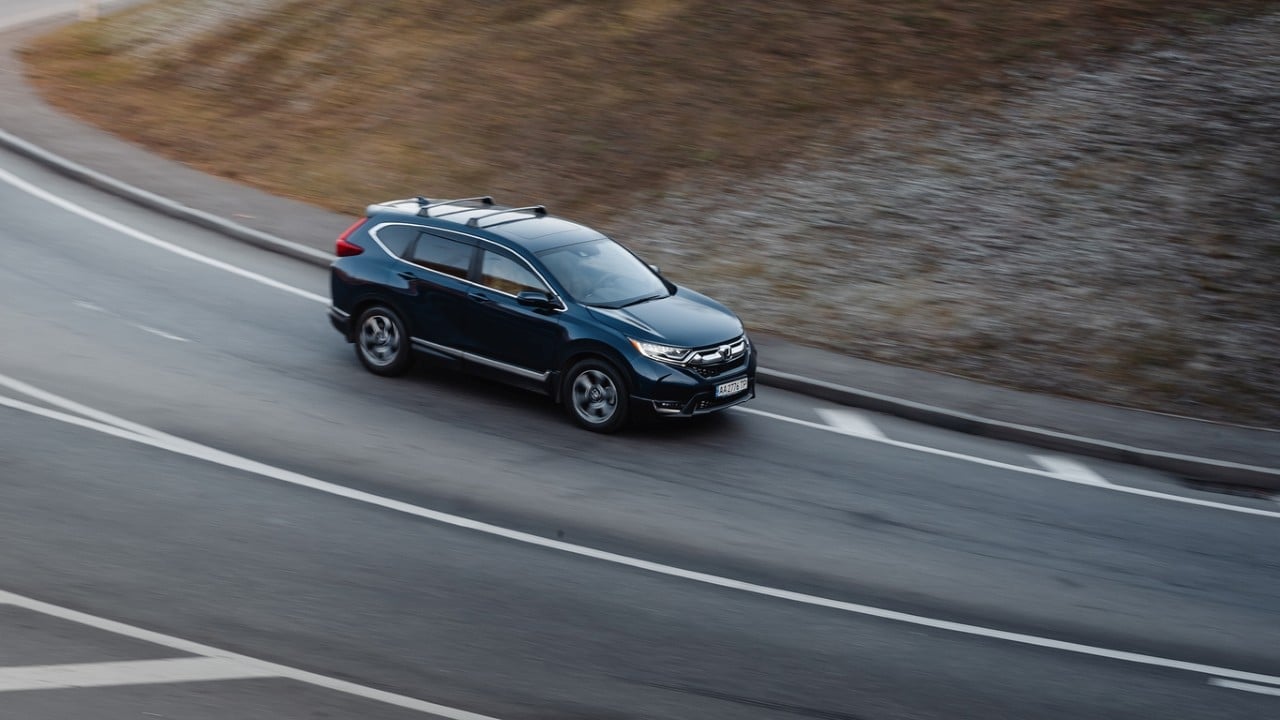
The Indian automotive landscape is constantly evolving, with a growing demand for vehicles that combine space, comfort, technology and performance. In response to this trend, several automakers are preparing to launch new 7-seater SUVs, promising to redefine the segment with significant innovations in design, engines and features. Esses vehicles are designed to meet both the needs of large families and consumers seeking versatility for travel and adventures, consolidating the popularity of SUVs in the country.
Market expectations are high, driven by the search for more robust automobiles capable of facing the varied conditions of Indian roads, while offering a sophisticated interior and cutting-edge connectivity. The upcoming additions to the 7-seater SUV segment are expected to feature a range of options, from more affordable models to premium vehicles, each with its distinct features to appeal to different buyer profiles. Fierce competition drives manufacturers to invest heavily in research and development, resulting in increasingly complete and competitive products.
This segment has proven to be one of the most dynamic, with innovations that go beyond simply increasing space. Automakers are focusing on:
– Melhorias in fuel efficiency, with hybrid and even electric options being explored.
– Sistemas advanced driver assistance systems (ADAS) for greater safety.
– Conectividade improved and intuitive infotainment interfaces.
– Acabamentos high-quality interiors and comfort features for all occupants.
Innovations in design and motorization
The next 7-seater SUV models promise a renewed aesthetic, with bolder and more modern lines that follow global automotive design trends. Aerodynamics will be a key point, not only to improve the appearance, but also to contribute to the vehicles’ energy efficiency. Faróis in LED, large alloy wheels and chrome or glossy black details should be common, giving a premium and sporty look to the launches.
When it comes to motorization, diversification is the watchword. Além of traditional gasoline and diesel engines, which will be optimized to offer better performance and lower consumption, a strong incursion of hybrid options is expected. Essas engines combine a combustion engine with one or more electric motors, providing a smoother, quieter drive with lower pollutant emissions, an increasingly relevant factor for consumers and regulators.
Manufacturers are also exploring flex engine technologies, adapted to Indian market conditions, and improving automatic transmissions to ensure more precise and efficient gear changes. The introduction of turbocharged engines with smaller displacement, but with power equivalent to larger engines, is another trend that aims to balance performance and fuel economy, without compromising the driving experience.
Security features and embedded technology
Safety is a non-negotiable priority, and the new 7-seater SUVs will come equipped with a comprehensive package of features to protect occupants. Além of the multiple airbags (front, side and curtain) that have become standard, many models will incorporate advanced driver assistance systems (ADAS). Estes include adaptive cruise control, autonomous emergency braking, lane departure warning and blind spot monitoring, significantly raising the level of protection.
Embedded technology will also receive special attention, with state-of-the-art multimedia centers being the highlight. Telas larger touchscreens, Apple CarPlay and wireless Android Auto compatibility, and integrated navigation systems will be common. Connectivity will extend to features like wireless charging for smartphones, USB ports for all rows of seats, and in some cases even onboard Wi-Fi hotspots.
Furthermore, integration with voice assistants and dedicated apps will allow drivers to control various vehicle functions remotely, such as turning on the air conditioning, checking the fuel level or locating the car in a parking lot. Painéis of fully digital and configurable instruments will offer clear and customizable information, complementing the onboard technological experience.
Improved comfort and interior space
Passenger comfort is one of the pillars for the success of a 7-seater SUV, and the next generations promise an even more welcoming and functional interior environment. The modularity of the seats will be a differentiator, with the possibility of folding or sliding the second and third rows to adapt the space according to the needs of cargo or passengers. Isso provides crucial flexibility for everyday use or longer trips.
High-quality materials, such as leather or premium fabrics, will be used in the upholstery, and the ergonomic design of the seats will aim to reduce fatigue on long journeys. Recursos such as electric seat adjustment, ventilation and heating in the front seats, and even in the second row on some models, will contribute to a more pleasant travel experience in different weather conditions.
Legroom and headroom will be optimized across all rows, even for adults in the third row, ensuring no passenger feels cramped. Além In addition, the presence of independent air conditioning outlets for the rear rows, customizable ambient lighting and multiple cup holders and storage compartments will reinforce the attention to detail for everyone’s comfort.
Focus on customer experience and after-sales
Automakers are aware that the sale of a vehicle does not end at the dealership. Therefore, customer experience and after-sales service are increasingly valued aspects. The new 7-seater SUV models will come with service packages that include extended warranties, scheduled maintenance plans and 24-hour assistance. The aim is to ensure peace of mind and convenience for owners.
The digitalization of after-sales services, with online scheduling of inspections and access to vehicle information via the app, will also be a differentiator. Dealerships are being trained to offer specialized service, with technicians qualified to deal with the advanced technologies present in new vehicles, such as hybrid systems and ADAS. Replacement parts availability and repair efficiency are crucial to customer satisfaction.
Offering custom accessories such as roof racks, crankcase protectors and interior organization solutions will allow owners to tailor their vehicles to their specific needs, increasing functionality and perceived value. Automakers seek to create a complete ecosystem of products and services that accompanies the customer throughout the vehicle’s entire useful life, reinforcing brand loyalty.
Market impact and future prospects
The arrival of these new 7-seater SUVs is set to make a significant impact on the Indian automotive market, intensifying competition and offering consumers an even greater range of choices. The expectation is that the segment will continue to grow, driven by urbanization, increased disposable income and the growing preference for sports utility vehicles that combine status, functionality and safety.
Technological innovations and more efficient powertrain options also reflect a movement towards sustainability, in line with global environmental concerns. Electrification, even at an early stage for the 7-seater segment, points to a future where autonomy and charging infrastructure will be determining factors in the purchasing decision.
The Indian market, with its vast population and geographical diversity, presents fertile ground for the continued growth of the SUV sector. Automakers that can balance price, features, performance and a robust aftermarket network will be well positioned to capture a larger share of this promising market, shaping consumer preferences for years to come.



