

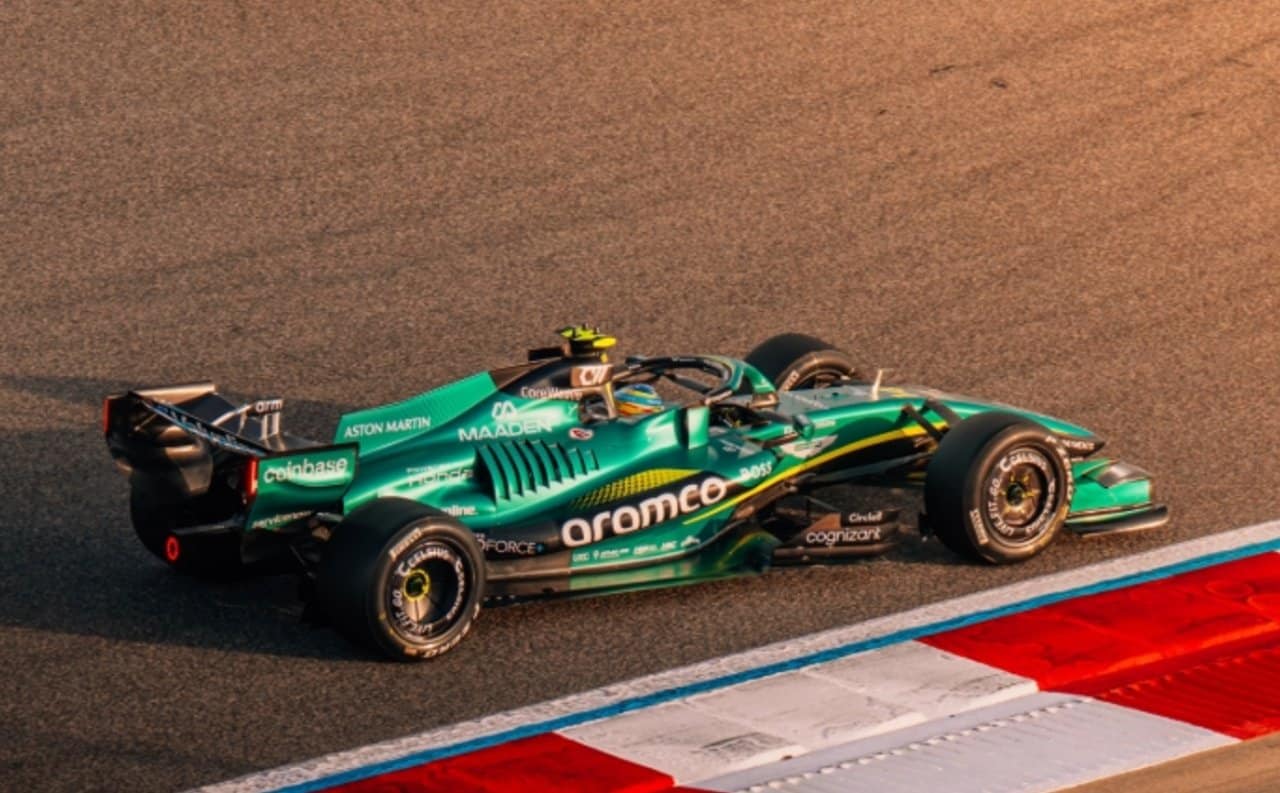
The British team confirmed the introduction of a new package of technical updates for the third stage of the Fórmula 1 world championship, hosted at the Suzuka circuit. The measure aims to resolve the mechanical and electronic failures that compromised the cars’ performance in the first two races of the season. The main focus of the changes is on equipment reliability and internal systems integration, areas that have shown critical deficiencies during recent runway operations.
The team’s chief engineer, Mike Krack, explained that the modifications scheduled for the weekend do not represent a definitive solution to all of the AMR26 model’s setbacks. The caution adopted by the technical board reflects the complexity of the problems faced since the pre-season tests carried out at Bahrein. The immediate goal is to ensure that single-seaters are able to complete all free practice sessions without abrupt interruptions, allowing for uninterrupted telemetry collection.

The operational difficulties are directly linked to the behavior of the power unit supplied by Honda, which presented structural anomalies during the Austrália and China stages. Engineers identified recurring faults with the hybrid system and energy storage batteries, requiring rapid pre-race intervention on the partner manufacturer’s territory. The geographic proximity to the Japanese automaker’s headquarters facilitates the logistics of replacing parts and analyzing damaged components.
Expectations of the British team on the Asian circuit
Arriving at the Japanese circuit represents a crucial moment for the team’s strategic planning in the first half of the championship. The circuit requires a refined aerodynamic set-up due to the sequence of high-speed curves in the first sector, known as the Esses and Suzuka. Technicians seek to find a precise balance between the aerodynamic pressure necessary to negotiate the curves and the final speed on the straights.
The updates brought to this stage include subtle modifications to the carbon fiber floor and side fins of the cars driven by Fernando Alonso and Lance Stroll. The primary objective of these redesigned parts is to optimize airflow towards the rear of the single-seater, sealing the air passage underneath the vehicle. Essa theoretical change should provide greater stability in heavy braking zones and rapid steering transitions.
Despite the introduction of new aerodynamic components, the technical management maintains a strictly conservative stance in relation to lap time gains. The absolute priority remains the durability of internal systems under extreme temperature conditions and prolonged mechanical stress. The accumulation of mileage in Friday’s initial sessions will dictate the pace of development and aggressiveness of engine mapping for the remainder of the weekend.
Preliminary data collected from factory simulators at Silverstone indicates a slight improvement in the directional behavior of the chassis with the new specifications installed. However, the correlation between the virtual environment and the real track has been a constant obstacle for vehicle dynamics engineers over the past few weeks. Practical validation of this information will only occur when cars enter the asphalt and sensors begin to transmit real pressure data.
Recent history of abandonment and excessive vibrations
The beginning of the journey in the current championship was marked by a series of mechanical setbacks that severely limited the team’s track time and hampered the assessment of tire wear. Durante the test in The situation worsened considerably in the Chinese stage, where both starting drivers managed to finish the sprint race on Saturday, but suffered premature retirements in the main race on Sunday due to catastrophic failures in the auxiliary thermal and kinetic energy recovery systems.
One of the most worrying technical reports came from Spaniard Fernando Alonso, who described severe oscillations in the steering column during the longest straights of the Asian route, affecting the visibility and control of the single-seater. The intensity of the tremor reached such high levels that the two-time world champion had to loosen his grip on the steering wheel at specific moments to withstand the pain and physical discomfort generated by the G forces combined with the vibration. Investigações subsequent studies conducted by the designers revealed that the origin of this physical phenomenon was an unwanted resonance generated by the lack of synchronization between the engine mounting mounts and the rigid carbon fiber structure of the chassis, propagating the vibration throughout the survival cell.
Power unit adjustments and mechanical integration
The technical partnership with the Japanese manufacturer required the creation of a task force dedicated exclusively to mitigating excessive vibrations from the internal combustion engine. Engineers from both companies held emergency meetings to redesign the engine’s attachment points to the chassis. The application of new impact-absorbing materials and more flexible metal alloys was the first corrective measure adopted to isolate the vibration.
In addition to the structural assembly issue, the energy recovery system underwent a complete reprogramming of its electronic management software. The hybrid system’s batteries, which overheated and lost efficiency in previous rounds, received expanded cooling ducts on the sides of the car. Essa change in internal air flow aims to maintain the operating temperature of the lithium cells within the ideal window established by the power unit designers.
Mike Krack has publicly emphasized that solving mechanical integration problems in a modern The extremely compact architecture of the power unit makes it difficult to quickly access faulty components during race weekends, requiring hours of work from mechanics for any replacement. The team hopes that the changes will promote smoother and more predictable operation of the entire powertrain from the first practice sessions onwards.
Participation of young talents in free training
As part of current sporting regulations and the internal driver training program, the team confirmed the lineup of Jak Crawford for the first free practice session on Japanese asphalt. The entry of the young athlete into the cockpit of one of the starting cars allows the team to fulfill its regulatory obligations while evaluating the performance of new talents in real track operating conditions. Crawford’s work will be strictly focused on collecting aerodynamic data at constant speed, using specific sensors attached to the bodywork, without the obligation to seek competitive lap times or push the limits of the newly updated equipment.
Aerodynamic data collection during sessions
The installation of aerodynamic measuring grids, technically known as aero rakes, will be a common scene in the first minutes of activity on the Japanese track. Esses metallic equipment measures air pressure at different points of the single-seater to check whether the upgrades deliver the exact performance projected in the wind tunnel. The accuracy of this data correlation is essential to direct the manufacture of the next improvement packages throughout the European season.
Mechanics will also apply flow-vis fluorescent paints to the front wings and side deflectors during initial pit exits. Photographic analysis of the spreading pattern of this paint helps aerodynamicists understand the real behavior of the air around moving front tires. Qualquer anomalia no fluxo direcionado para a parte de trás pode comprometer a eficiência do difusor traseiro e reduzir drasticamente a aderência geral do veículo nas curvas de alta velocidade.
Working together with Japanese engineers
Holding the event in the host country of the partner manufacturer provides a significant logistical and technical advantage for the British team’s track operations. The massive presence of the engine manufacturer’s senior engineers and development directors in the garages facilitates real-time mechanical decision-making. Direct, in-person communication eliminates time zone barriers and speeds up the interpretation of complex telemetry extracted from the engine after each sequence of laps.
The exchange of information between the chassis divisions in the Inglaterra and engine divisions in the Japão has become the top priority for sports management at this point in the championship. The perfect integration between these two engineering areas is the technical difference that separates the teams in the middle pack from those contending for podiums and victories. The collaborative effort intensified at this stage aims to build a solid foundation of reliability that allows pilots to extract the absolute limit of the equipment in qualifying sessions without the fear of sudden failures.
Final preparations for the Asian stage
The official schedule of the event in Suzuka follows the traditional format of the highest category of motorsport, with three free practice sessions preceding the definition of the starting grid on Saturday and the main race on Sunday afternoon. The British team established a rigorous execution plan to maximize every available minute on the 5.8-kilometre track, dividing the tasks of tire degradation assessment and full-tank race simulation between Fernando Alonso and Lance Stroll. The local weather forecast indicates the possibility of climate variations and strong winds throughout the weekend, which could force quick adaptations in mechanical adjustment strategies and the choice of car height in relation to the ground. The internal goal stipulated by the technical management is to ensure that both cars cross the finish line after the scheduled 53 laps, consolidating the small improvements observed in the reliability of the hybrid system and definitively ending the negative sequence of retirements due to peripheral failures. Continuous progress on the track, based on accurate data collection and efficient integration with the power unit, is considered vital to keep the operation running within safety margins and ensure the sustainable development of the aerodynamic design for the next stages of the world calendar.