

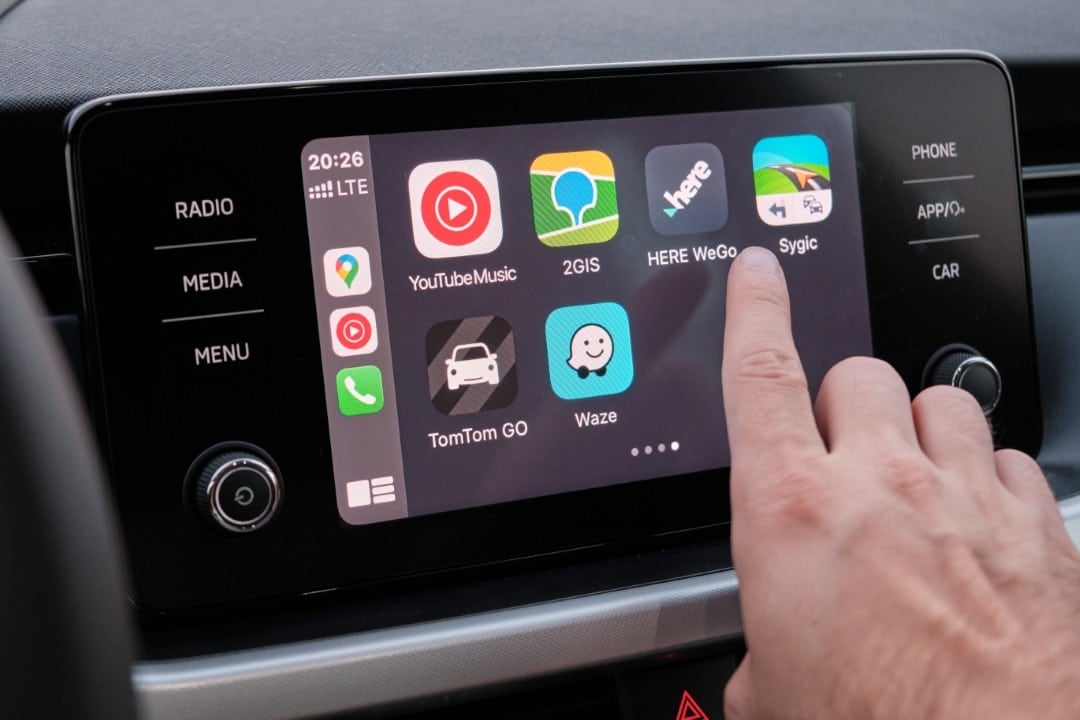
The global automotive industry has begun implementing a new software architecture aimed at directly integrating operating systems into vehicle dashboards. The change transforms the traditional multimedia center into an advanced data processing center, capable of managing multiple functions simultaneously and autonomously.
Recent development focuses on incorporating five specific navigation and mobility applications directly into the driver’s instrument cluster. The measure aims to optimize the time spent in daily traffic and drastically reduce the need to handle cell phones while driving on public roads.

With the update, essential route and safety information is now displayed in the driver’s direct line of sight. The structural change meets international road safety guidelines, which seek to minimize cognitive and visual distraction in urban areas and high-speed highways.
Evolution of the digital interface in vehicles
The transition from analogue displays to fully digital screens represents a milestone in contemporary automotive engineering. The new operating system takes control of vital telemetry and entertainment functions centrally.
The five new integrated apps operate in the background to calculate alternative routes in real time by analyzing traffic data provided by satellites and mobile networks. The interface was redesigned to present only the data strictly necessary at each moment of the trip, avoiding information overload. The visual format prioritizes highly legible icons and contrasts that adapt to external lighting, ensuring clarity under any weather condition.
Traffic safety experts point out that fragmentation of attention is one of the main causes of accidents on fast-moving traffic routes. By unifying audio, navigation and communication controls into a single ecosystem operated by voice or buttons on the steering wheel, the new technology reduces the driver’s reaction time in the face of unexpected events. Local data processing ensures that essential functions remain active even in areas with low internet coverage, maintaining navigation stability and the accuracy of driving instructions without abrupt interruptions.
Intelligent route management
The advanced mapping system uses predictive algorithms to suggest detours even before congestion forms on the main route. The technology crosses historical traffic information with real-time events reported by other connected vehicles in the same region.
In addition to calculating the fastest route, the software evaluates the energy efficiency of the trip, indicating paths that require less acceleration and braking. The functionality serves both combustion vehicles and electric models, optimizing resource consumption and mechanical wear.
Automatic payments and tolls
One of the platform’s innovations is synchronization with automatic charging systems on highways and urban parking lots. The vehicle now acts as an integrated digital wallet, eliminating the need for physical tags glued to the windshield.
The integration allows the driver to view the fares directly on the main screen before approving the transaction via voice command. The process speeds up passage through toll plazas and reduces queues at peak times in large cities.
Highway administrators report that digitizing payment reduces the risk of rear-end collisions in areas approaching cabins. Traffic fluidity is maintained, ensuring a more constant and predictable journey for all road users.
Integrated weather monitoring
The climate and weather module provides early warnings about adverse conditions on the programmed route. The system detects approaching storms, dense fog or slippery roads kilometers in advance.
Upon receiving a weather alert, the on-board computer automatically suggests a reduction in cruising speed and adjusts the traction control parameters. Preventive intervention adapts the car’s dynamics to the external environment instantly.
In situations of severely compromised visibility, the application can redirect the driver to safe stops, such as gas stations or rest areas. The programming priority is to prevent the vehicle from entering areas of imminent risk during travel.
Cross-checking climate data with road topography makes it possible to predict areas prone to flooding or landslides. The panel’s artificial intelligence blocks routing along these roads until authorities confirm the full release of the affected section.
Voice commands and tap reduction
The system’s audio architecture has been improved to recognize the driver’s natural language, filtering out external noises such as wind and the sound of tires on asphalt. The precision of voice recognition allows you to dictate messages, change your GPS destination and adjust the cabin temperature without your hands leaving the steering wheel. The technology eliminates the dependence on complex menus and physical buttons spread across the center console, promoting driving focused exclusively on the road.
Automakers invest in standardizing these commands to create an intuitive usage environment, regardless of the vehicle model. The user’s learning curve is reduced, facilitating the adoption of the technology by drivers of different age groups. The focus on digital ergonomics transforms interaction with the machine into a fluid process, where technology acts as a silent and efficient assistant throughout the journey, processing requests in fractions of a second.
Driver interface customization
The last layer of update concerns the system’s ability to memorize the individual preferences of each driver using the vehicle. By detecting your smartphone or in-person key, the panel automatically adjusts the layout of apps, favorite radio stations and the layout of the digital speedometer even before the engine is started. The level of customization allows the user to define which alerts are priority, silencing secondary notifications during complex maneuvers or heavy traffic. The flexibility of the software ensures that the interface evolves according to driving habits, offering quick shortcuts to the most frequent destinations and optimizing the daily routine of commuting in large urban centers, without requiring repetitive manual configurations with each new departure.
Remote software updates
Operating system maintenance occurs through data packets sent via a wireless network, known as remote updates. The method ensures that navigation and security applications receive continuous improvements and bug fixes without the need for in-person scheduling at authorized dealers.



