


Apple smartphone users often report a significant drop in the power autonomy of their devices shortly after installing new versions of the operating system. The phenomenon, although it generates immediate concern, is directly linked to the file indexing and software calibration processes that occur in the background in the first days of use. Especialistas in technology point out that the internal restructuring of data requires continuous effort from the processor, resulting in atypical heating and accelerated load drainage.
To mitigate this initial impact and stabilize the device’s operation, modifying native settings provides practical results. Disabling visual features and tight control over third-party app permissions form the basis for restoring energy efficiency by relieving the burden on hardware components.
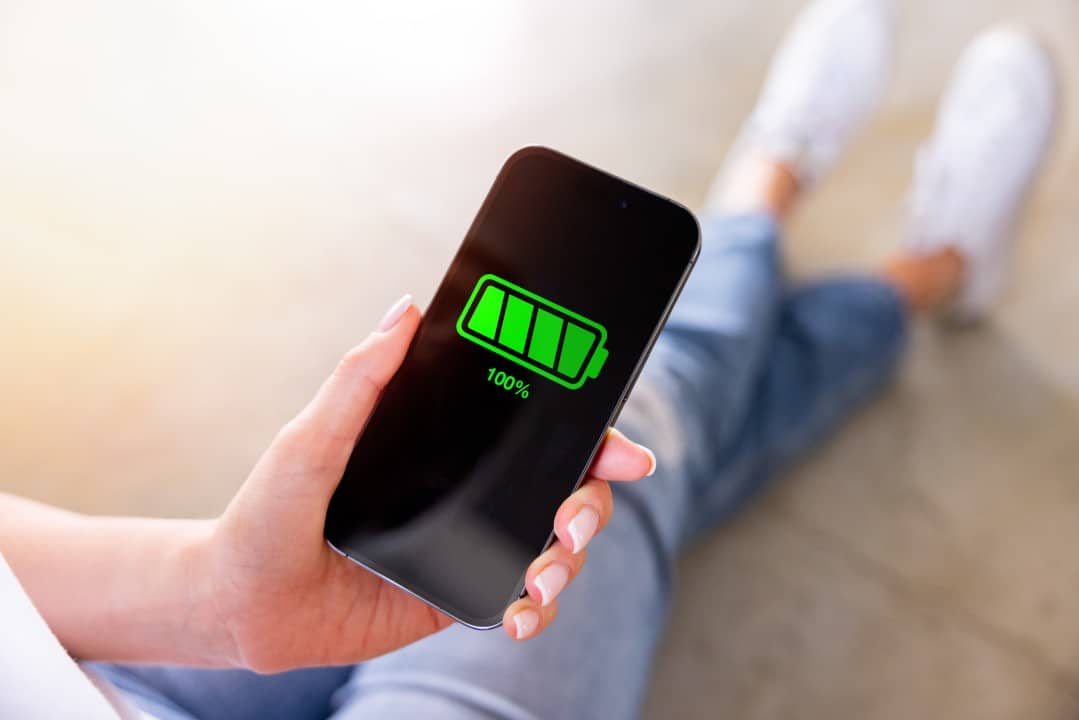
Understanding the mechanics of the system allows owners to adjust preferences according to the actual need for daily use. Proper management prevents premature wear of physical components and extends the long-term useful life of the equipment, ensuring that the device operates within the temperature and consumption standards established by the manufacturer.
Impact of indexing and background updates
Installing a complex software package requires the device to reorganize its entire internal database. Esse procedure directly affects native search, photo gallery and file organization, requiring constant processing even when the screen is off and the phone is not in active use.
The system adaptation period can last up to a week, depending on the amount of information stored in the equipment’s physical memory. Durante At this stage, the perception that the load is lasting less is a technical consequence expected by the software engineering teams, who design the system to prioritize the organization of newly installed data.
Keeping applications updated in the official store is a fundamental measure to avoid code conflicts. Versões old social networks and messengers tend to enter an execution loop when trying to interact with the new system architecture, generating invisible and continuous consumption that drains the battery quickly.
Visuals and screen management
Always-on display technology, found in the latest models, keeps basic information visible through a reduced refresh rate. However, the constant illumination of the pixels on the OLED screen, even if minimal, represents a considerable portion of the device’s daily energy expenditure, especially in highly lit environments where the base brightness needs to be higher.
Disabling this feature in screen and brightness settings prevents the panel from consuming power while the phone rests on a table or is in your pocket. Adicionalmente, reducing interface animations and limiting frame rate eases the workload required of the graphics processing unit, resulting in cooler, more efficient operation.
Location and connectivity control
Global positioning services operate through constant communication with satellites and telephone antennas. Aplicativos transport, maps and social networks often request access to this data to provide geolocated information in real time, which requires the activation of multiple sensors simultaneously.
Restricting this permission to only when the app is in active use blocks continuous background scanning. Essa Simple change prevents dozens of platforms from activating the device’s GPS module throughout the day, preserving a significant amount of energy.
Background refreshing is another vector of silent consumption that requires user attention. The system allows applications to download new content silently over wireless networks so that information is ready at the exact moment the interface is opened.
Turning off this function for applications that do not require urgent data delivery, such as games or image editors, relieves internet bandwidth and the processor. The device starts to search for updates only when the user decides to open the application intentionally, eliminating unnecessary data traffic.
Tactile responses and intelligence processing
The smartphone’s internal vibration motor is activated to provide physical feedback with each tap on the virtual keyboard or interaction with the system. Essa tactile response, although it improves the typing experience and user immersion, requires the mechanical actuation of a physical component dozens of times per minute. Deactivating this function in the sound and touch menus eliminates repetitive mechanical effort, resulting in marginal savings that accumulate significantly at the end of a day of intense use of messengers and emails.
The introduction of language models and artificial intelligence running locally on the device adds a new layer of hardware requirements. Ferramentas Virtual assistance and image analysis use the processor’s neural engine to interpret commands without depending on external servers. Limitar the scope of action of these tools or disabling proactive intelligence suggestions reduces the computational load, allowing the processor to remain in a rest state for longer periods and avoid structural heating.
Identification of faults and anomalous consumption
The native energy monitoring tool offers an accurate diagnosis of the behavior of each software installed on the equipment. When accessing the battery panel, the user sees a detailed graph that separates energy expenditure between active use with the screen on and activities carried out in the background. Identifying an application that consumes a disproportionate percentage of power without being actively opened indicates an optimization failure or code crash. Nesses scenarios, the technical recommendation involves forcefully closing the application, cleaning its temporary data, or, in extreme cases, completely uninstalling it until the developers release a fix package in the official store. Periodically observing this panel creates a behavior history that makes it easier to detect anomalies before they compromise the device’s autonomy during important appointments or long-term trips.
Software maintenance procedures
Manually checking for security fixes and small operating system update packages ensures that fixes developed by the manufacturer’s engineers are applied. Muitas times, a minor version of the software is released weeks after the major annual update precisely to fix memory leaks and optimize communication between the hardware and the new features implemented, stabilizing overall consumption.
Charging Habits and Component Physical Health
The chemical degradation of lithium-ion cells is a natural and irreversible process that occurs over months of continuous use. The optimized charging feature learns the owner’s sleep routine and holds the charge at a safe limit during the early hours of the morning, finishing filling just moments before waking, which reduces internal chemical stress.
Avoiding exposing equipment to extreme temperatures, especially during fast charging, preserves the physical integrity of the cells. Adopting these practices combined with software adjustments ensures that maximum energy retention capacity remains at adequate levels for an extended period, delaying the need for physical part replacement.



