
Netflix and Disney change market strategy and release films from famous series in theaters

The main video on demand platforms in the global market have initiated a structural change in their original content distribution models. Empresas from the audiovisual sector began directing productions derived from high-engagement television franchises directly to traditional theaters, changing the consumption flow of their subscribers.
The commercial movement seeks to diversify sources of revenue and maximize the reach of intellectual properties already consolidated among the public. The hybrid format allows studios to test the financial viability of exclusive releases before making them available in digital catalogues, creating a new monetization window for works that would previously have been restricted to the internet.
The new strategic planning involves adapting complex narrative arcs to feature film format, requiring robust budgets and targeted marketing campaigns. The initiative changes the exclusivity dynamic that marked the rise of digital services in the last decade, establishing a point of convergence between on-demand television and the classic cinematic experience.
Read also: Star Wars and Moana box office falls below expectations, boosting other areas of Disney
Change in the audiovisual distribution model
The transition of established series to the big screen represents a direct response to stagnant growth in new global subscribers. Executivos in the sector seek alternatives to monetize million-dollar investments made in original productions over previous years, transferring the risk of new properties to already tested brands.
The feature film based on the British series Peaky Blinders illustrates the practical application of this new commercial guideline. The production, which continues the events of the sixth season, received the green light for a priority cinematic release, requiring technical adaptations in image capture and sound mixing to adapt to movie theater standards.
Lucasfilm, a subsidiary of the Disney group, adopted a similar tactic for the space franchise derived from the Star Wars universe. The project titled The Mandalorian and Grogu was reconfigured from a fourth television season into a large-scale cinematic event, with a production schedule adjusted to meet the demands of the commercial circuit.
The decision to bring the bounty hunter and his companion to theaters aims to fill gaps in the studio’s release calendar. The strategy also serves to revitalize public interest in the brand in a consumption environment other than the home, using the strength of intellectual property to guarantee advance ticket sales.
Financial results and audience metrics
Preliminary data from this hybrid approach demonstrates economic viability for projects with engaged fan bases and well-structured advertising campaigns. The KPop animation Demon Hunters, initially released in theaters in August, grossed more than $24 million at the global box office before its streaming debut.
The commercial performance of the animated title was accompanied by critical recognition, culminating in Oscar winning two statuettes during the awards season. Após the exclusive viewing window in the dark rooms, the production was incorporated into the digital catalogue, where it maintained high reproduction rates and helped retain active users on the platform.
Understand the case: Box office results for ‘The Mandalorian and Grogu’ are below expectations
In the case of Peaky Blinders, the format transition generated significant engagement numbers in the first days of availability, confirming the pent-up demand for the narrative’s outcome. The cinematographic work accumulated more than 25 million views in a period of 72 hours, setting an internal record for the company responsible for global distribution.
Expert assessment of format integration
Market analysts note that the convergence between streaming and traditional cinema creates an ecosystem of financial feedback that benefits both ends of the industry. Ben Woods, researcher at MIDiA Research, points out that exhibitions in physical rooms generate a sense of urgency and an event-like nature that home consumption can rarely replicate. Essa Perception of temporary exclusivity boosts ticket sales and, simultaneously, attracts new subscribers interested in consuming original material available only on digital platforms, creating a continuous cycle of customer acquisition and retention.
The film exhibition sector also evaluates the movement positively, given the recent fluctuations in the supply of major releases and the stoppages that affected the premiere calendar. Daniel Loria, representative of Boxoffice Company, highlights that digital studios are still in the experimentation phase with the commercial circuit, adjusting the volume of copies and the scope of campaigns. The entry of intellectual properties tested and approved by the television audience offers cinema owners an opportunity to fill idle schedules with content that already has guaranteed demand, mitigating the risks associated with entirely original productions unknown to the general public.
Learn more: New Spider-Man film climbs rankings and surpasses Avatar 2 at the global box office
Mobilization of communities and thematic events
The transfer of episodic narratives to feature film format has provoked measurable reactions in virtual communities dedicated to entertainment and pop culture. Fóruns discussions registered peaks of activity in the months leading up to the premieres, with specific groups surpassing the mark of 250 thousand active members debating the adaptations, theorizing about the scripts and organizing caravans for the opening weekends.
Cinema chains took advantage of previous engagement to organize special sessions aimed at the most dedicated admirers, implementing strategies to sell bundled products. Eventos with a red carpet, distribution of exclusive gifts, personalized popcorn buckets and encouraging the use of themed costumes have become standard tools to maximize revenue and transform going to the cinema into an immersive experience.
Corporate positioning and property management
The financial management of these operations requires a strict balance between traditional marketing costs and the need to maintain the attractiveness of the virtual catalog for monthly payers. Ted Sarandos, co-CEO of Netflix, spoke about the performance of projects such as KPop Demon Hunters, highlighting that the success at the box office validates the strategy of investing in exclusive viewing windows for selected titles that have visual appeal compatible with large format screens. The corporation adopts a case-by-case evaluation model, determining which franchises justify the cost of global distribution in physical theaters, analyzing viewing history, target audience demographics and brand licensing potential. The central objective of this tactic is to extend the life cycle of the audiovisual product, generating direct revenue at the box office before using the same content as an anchor to avoid canceling subscriptions. The efficient management of these intellectual properties allows companies to make the same investment profitable on multiple fronts, diluting production risks and establishing new commercial partnerships with exhibition networks that previously saw streaming only as a direct competitor.
More on this story: Production of Puella Magi Madoka Magica raises 1 billion yen and boosts franchise return
Expansion of the catalog to the commercial circuit
Ongoing planning indicates that other high-budget series will undergo similar film adaptation processes in the coming semesters, following the model validated by recent productions. The development divisions evaluate retention metrics, social media engagement and internet search volume to select the next television projects that will receive cinematic treatment, prioritizing genres such as science fiction, fantasy and large-scale historical dramas.
Exclusivity Window Reconfiguration
The flexibility of release windows changes the paradigm established during the popularization of video on demand, requiring new contractual agreements between producers and exhibitors. The exclusivity period in cinemas, which historically ranged between 45 and 90 days for traditional productions, is now negotiated on a personalized basis for each production derived from series, depending on performance in the opening week.
Digital platforms use this margin of maneuver to maximize profits at the box office without alienating the user base that finances the operation monthly and waits for the content at home. The hybrid model is consolidated as a risk mitigation tool in an audiovisual market marked by high production costs, fierce competition and the constant need to present high-impact news to consumers.
More news in News (EN)
See more → Samsung releases new system update with new features for Galaxy Watch 4 users
 Digital retail reduces the value of the Galaxy S25 5G smartphone with bank bonuses and device exchange
 Amazon’s wireless CarPlay adapter has a 50% discount and high approval ratings from drivers
 Zach Cregger’s new Resident Evil ignores games and focuses on an unprecedented story with new characters
 Rumor suggests that Nintendo is preparing a special edition of the Switch 2 with a remake of Ocarina of Time
 Apple accelerates production of the iPhone 17e and develops new Air model with dual camera system
 Epic Games platform releases twelve high-budget games at no permanent cost for PC users
 PlayStation 5 Pro price drop accelerates digital retail sales and eliminates global stocks
 New Galaxy Watch 9 firmware appears on server and confirms progress in software development
 Apple’s commemorative project tests cell phone with 1.1 millimeter edge and curved screen for 2027
 New Apple system update optimizes urgent task management for iPhone users
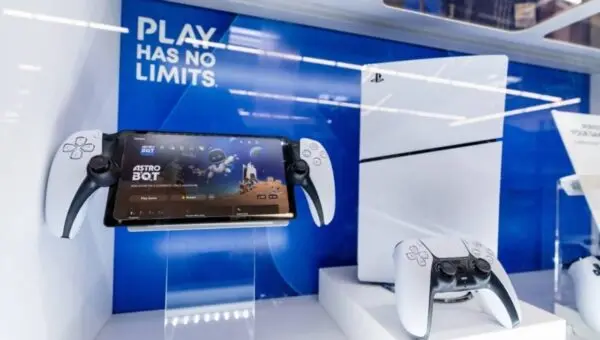 Leak details hardware of the new portable PlayStation with superior graphics to the Xbox Series S
More news on Mix Vale
- 1Colby Minifie confirms Ashley Barrett’s powers in The Boys season five
- 2Napoli x Milan in Serie A with confirmed lineups and where to watch live
- 3New battery test puts Galaxy S26 Ultra ahead of iPhone 17 Pro Max in global ranking
- 4Research reveals that parents are unaware of how their children use artificial intelligence
- 5Oppo officially launches the Find X9 Ultra worldwide with Hasselblad lenses and robust battery
- 6Tim Cook reveals new iPhone and iPod prototypes in celebration of Apple’s fiftieth anniversary
- 7New edition of foldable smartphone brings gold finish to Winter Games competitors
- 8Android system receives native Gemini Nano 4 integration for offline processing on smartphones
- 9Samsung updates QuickStar module and expands visual control of the panel in the One UI 8.5 interface
- 10Leak reveals Lords of the Fallen and Sword Art Online in April’s PS Plus Essential catalog